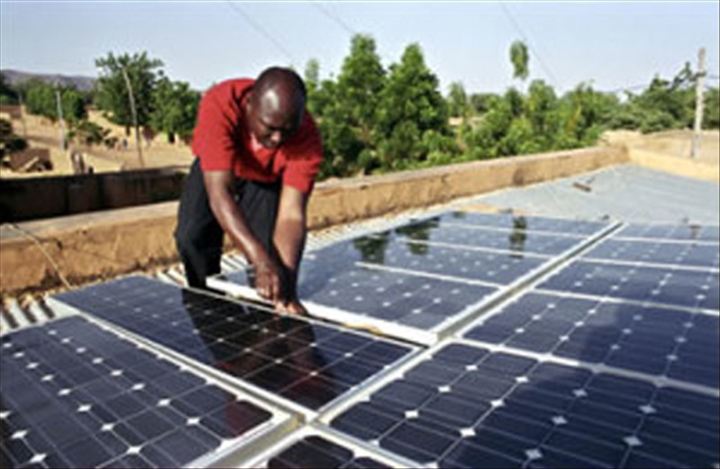
A 200 MWc solar power plant project was announced in Niamey on August 20, 2026, marking a significant development for energy independence in Niger. This substantial undertaking represents a key step towards enhancing the nation's electricity infrastructure. The contract value for the project stands at 126.1 billion FCFA, reflecting the considerable investment in this renewable energy initiative. Realization of the plant is planned over a 24-month period, indicating a focused and relatively rapid construction timeline to bring the facility online. Following its completion, the facility will be transferred to the State after a 20-year operational contract, ensuring long-term national ownership and control over this critical asset. This information was published on August 26, 2026, providing the public with details of this strategic national project.
Project Details and Contract
The contract for the solar project was concluded with Niger Electricity Power Production, the entity responsible for its development and initial operation. The agreement specifies the inclusion of a battery storage system, a key component designed to manage power supply fluctuations and ensure grid stability. This integrated storage solution will allow for the continuous and reliable supply of electricity, even during periods of low solar irradiance or peak demand. Once operational, the electricity generated by the solar plant will be sold to NIGELEC, the national electricity company, integrating directly into the country's power distribution network. The fixed tariff for this sale has been set at 35 FCFA/kWh, as per the terms of the contract, providing a predictable revenue stream for the producer and a stable cost for the consumer. This transparent and consistent pricing structure is expected to contribute to the economic viability of the project over its operational lifespan and offer stable energy costs for the grid. The integration of a battery storage system is a key component of the project, aiming to enhance the reliability of the power supply to NIGELEC's grid by smoothing out intermittent solar generation. Niger Electricity Power Production will oversee the implementation and initial operation of the facility before its eventual transfer to the State, marking a structured transition of ownership.
National Solar Potential
Niger possesses a significant solar potential, offering a strategic advantage for the development of renewable energy sources within the country. The nation's geographical location provides ample sunlight throughout the year, making solar power a highly viable option for increasing energy independence and meeting growing electricity demands. Harnessing this abundant potential is central to ongoing efforts to diversify Niger's energy mix away from traditional fossil fuels, which often entail higher costs and environmental impacts. This natural resource underpins the feasibility and long-term sustainability of large-scale solar projects like the 200 MWc plant in Niamey, ensuring a consistent and powerful energy source. The country's climate conditions, characterized by high solar irradiance and minimal cloud cover for much of the year, position it favorably for the widespread adoption of photovoltaic technology. This inherent capacity allows for the generation of substantial amounts of clean electricity, contributing significantly to grid stability and reducing reliance on external energy sources, thereby bolstering national energy security.
Economic and Energy Goals
The development of the solar plant aligns with Niger's broader objectives for energy independence and economic growth, serving as a cornerstone of its national development strategy. By reducing reliance on external energy sources, the project aims to enhance national energy security and contribute to a more stable power supply for its citizens and industries. The 200 MWc capacity is expected to significantly augment the country's electricity generation capabilities, supporting industrial development and improving access to power for various sectors, including residential and commercial users. This strategic investment in renewable energy is also designed to stimulate local economic activities through job creation during both the construction and operation phases, providing employment opportunities for the local workforce. The project's long-term operational contract and eventual transfer to the State ensure that the benefits of this infrastructure will accrue directly to the nation. Ultimately, the initiative seeks to foster sustainable development and improve the overall living standards within Niger by providing a reliable and affordable electricity supply, which is fundamental for socio-economic progress.