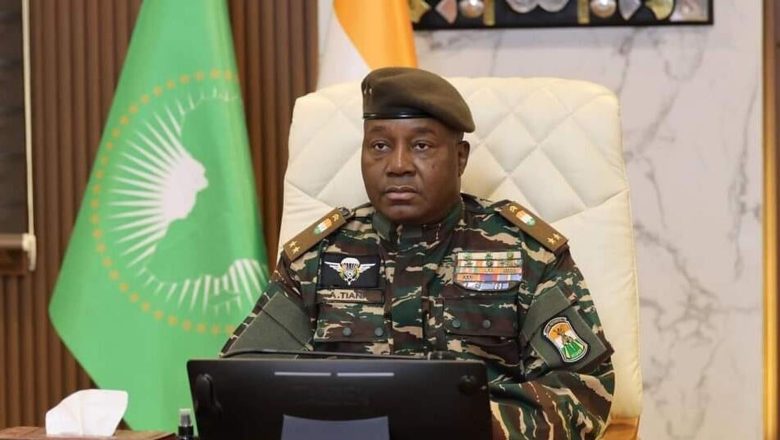
General Abdourahamane Tiani, President of the transition in Niger, has called for a national day of fasting and prayer across the country. The initiative aims to address regional challenges facing Niger, emphasizing a spiritual approach to overcoming the complex difficulties confronting the nation and its allies. The decree from the transitional government designated the specific day for citizens to participate in collective prayer and reflection, showing the gravity with which the leadership views the current situation. This national observance comes as the Sahel region experiences various geopolitical and security issues, including persistent threats to stability and peace. The call was issued directly by the head of the transitional government, noting its importance in the national agenda.
Details of the Fast
The national day of fasting and prayer in Niger was scheduled for Monday, May 4th, 2026. Citizens were encouraged to observe a "jeûne franc," or frank fast, throughout the national territory. This directive called for widespread participation in prayers and invocations across Niger's regions, aiming for a collective spiritual observance that would involve the entire populace. The call specifically encourages citizens to engage in profound spiritual reflection and supplication. The initiative sought to unite the population in addressing the country's challenges through religious devotion and reflection, fostering a sense of shared purpose and resilience. This collective act of faith is intended to invoke divine assistance in navigating the country's current trajectory.
Regional Context and Alliances
The stated objective for the national day of prayer is to solicit divine intervention for peace in Niger and within the Alliance of Sahel States (AES). This regional alliance includes both Mali and Burkina Faso, alongside Niger, forming a significant bloc in the Sahel. This collective spiritual observance takes place amid persistent terrorist pressure throughout the region, which has led to widespread insecurity and humanitarian concerns. The call for prayer also follows a recent attack that occurred in Mali, noting the ongoing security challenges faced by member states of the Alliance of Sahel States and the urgent need for stability. The initiative aims to address these regional complexities through a unified religious appeal for stability and security, recognizing the shared threats faced by the AES members. By uniting in prayer, the nations hope to foster a stronger bond and collective resolve against these external pressures.
Government's Vision for Stability
The initiative seeks to reinforce national cohesion and solidarity, particularly within the Alliance of Sahel States (AES), which is seen as a cornerstone of regional stability. Niger's government is actively redefining its international alliances, prioritizing South-South cooperation as a strategic direction for its foreign policy. This strategic shift also includes a concerted effort to strengthen the nation's endogenous military capabilities, reduce reliance on external forces, and enhance self-sufficiency in defense. The government presents social cohesion as the "key to stability," emphasizing its role in achieving peace and security across the country. This approach shows a broader vision for self-reliance and regional collaboration in addressing the challenges faced by Niger and its allies. The spiritual call for prayer is therefore integrated into a full strategy that combines diplomatic reorientation, military strengthening, and the cultivation of national unity and shared purpose. This holistic approach aims to build a resilient and secure future for Niger and the wider Sahel region.