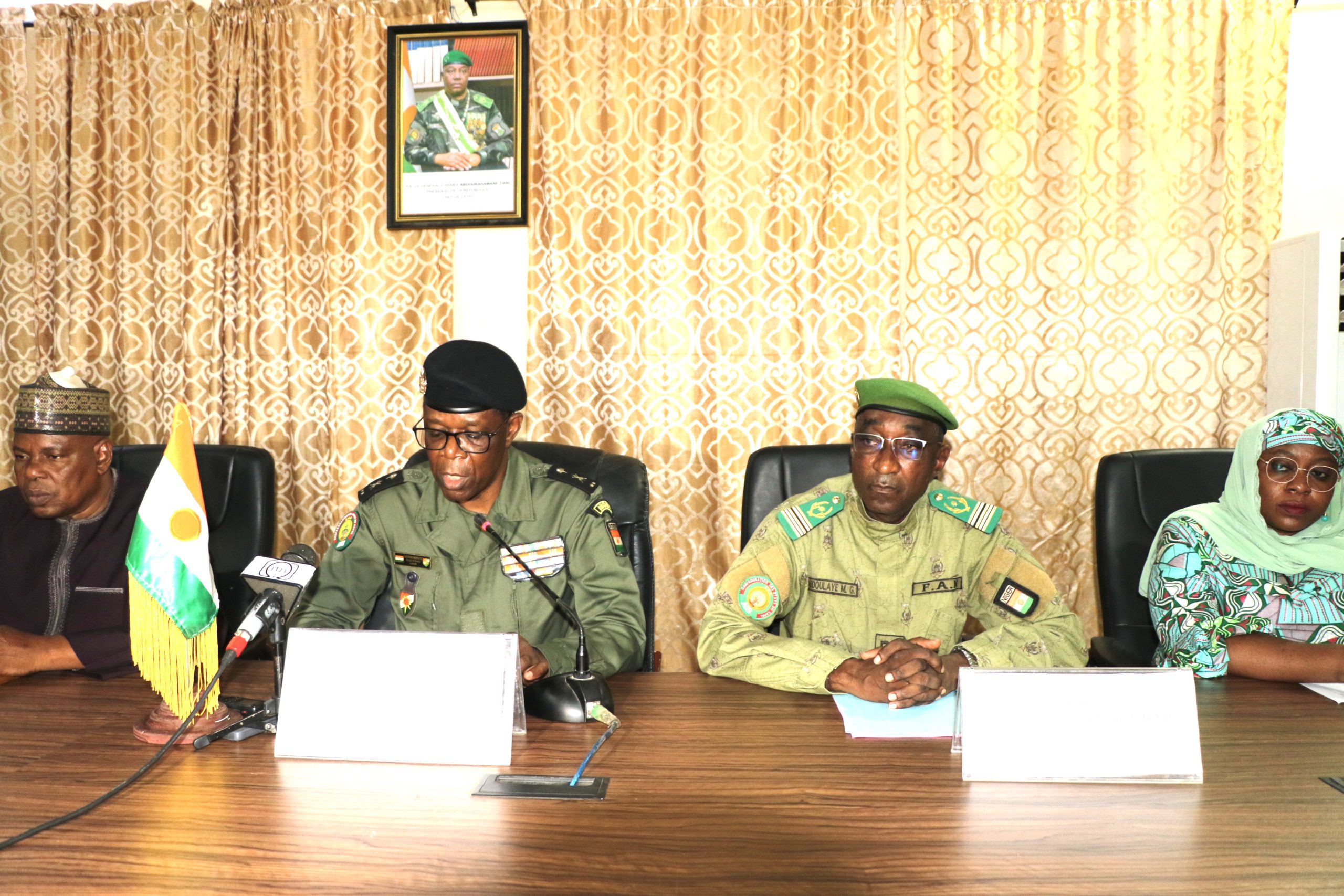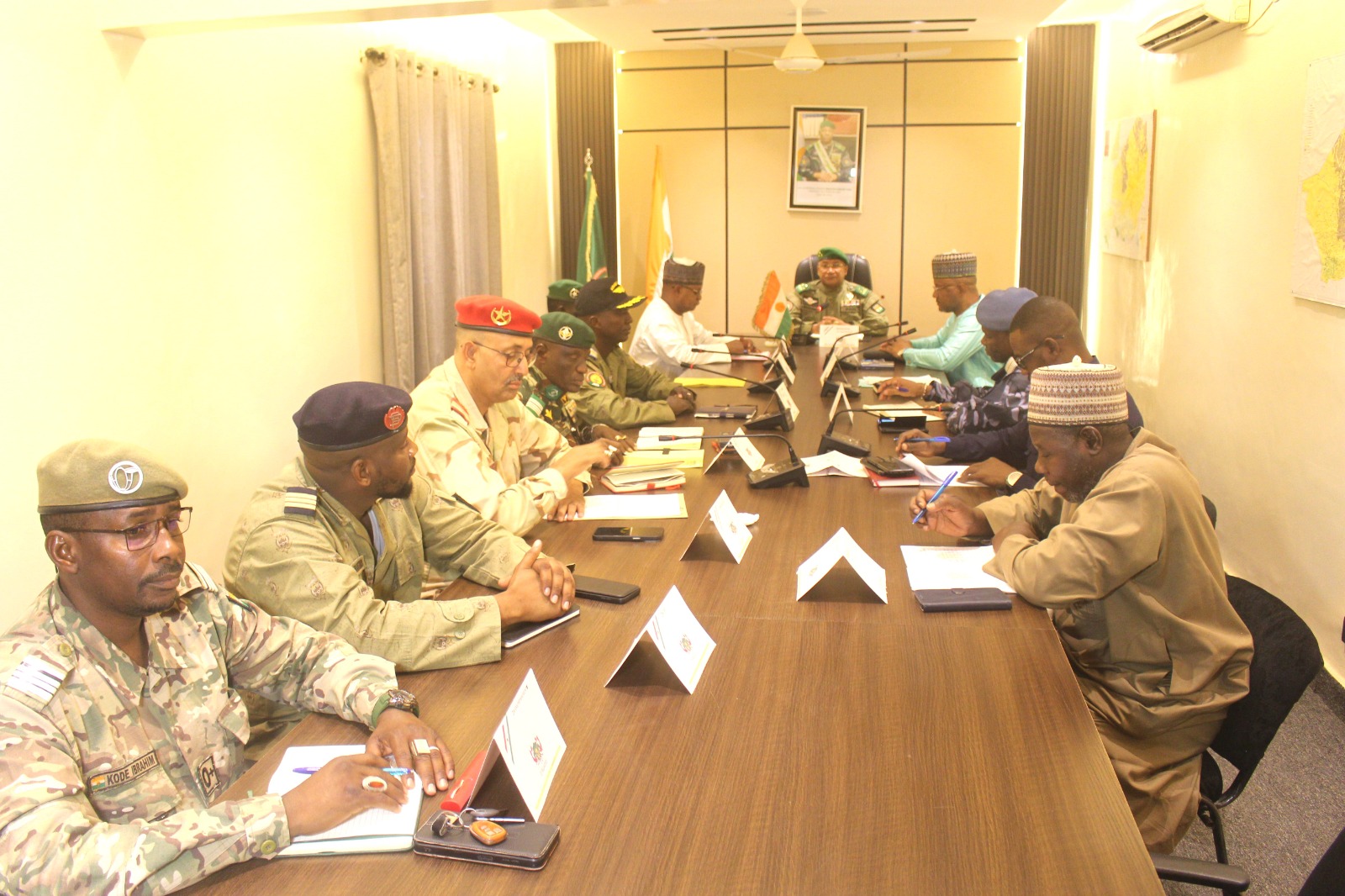
A joint delegation from the High Authority for Peace Consolidation (HACP) and the UN's Peacebuilding Fund (PBF) visited Niger's Tahoua region on Tuesday, June 3, 2026. This significant visit aimed to assess the impact of funded projects and to refine future priorities for peacebuilding initiatives across the region. The mission showed a critical commitment to understanding the on-the-ground realities of peacebuilding efforts.
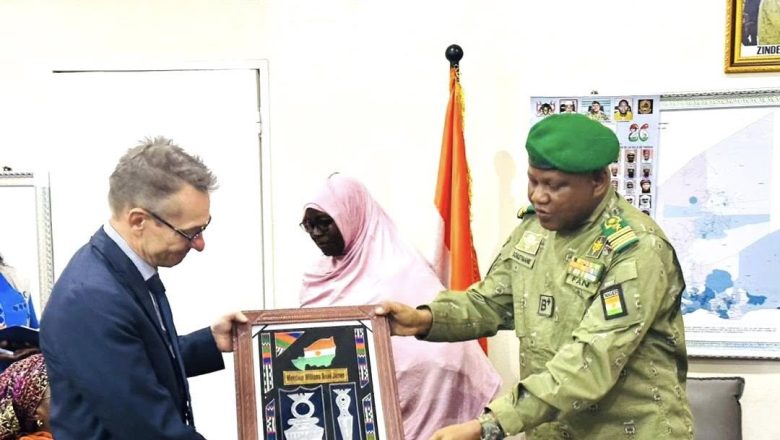
Mme Boukar Yagana, Deputy Secretary General of the HACP, and Mr. Williams Bian James, Head of the Peacebuilding Fund's Directorate at PBPSO in New York, led the delegation. Their leadership noted the collaborative nature of the initiative, bringing together national and international expertise. Throughout their stay, they engaged with key local stakeholders, including the regional governor and various local administrative authorities in Tahoua. The delegation's visit sought to confirm national and international commitment to projects that integrate economic development, social inclusion, and conflict prevention efforts, recognizing these as interconnected pillars of sustainable peace. This full approach is central to the PBF's strategy in fragile contexts.
On-the-Ground Project Assessment
A key part of the delegation’s mission included a visit to the Espace Saraounia in Tahoua. Here, members met directly with women beneficiaries of income-generating activities (AGR), gaining firsthand insights into the practical outcomes of the peacebuilding support. These beneficiaries shared compelling testimonies, reporting that even modest support, including essential production kits, practical management training, and facilitated access to local markets, had profoundly and positively impacted their personal and family trajectories. Their stories illustrated the tangible benefits of economic empowerment in fostering community stability.
In addition to economic development, the delegation also engaged with local mediators who are actively involved in conflict prevention efforts. These mediators provided key assessments, reporting notable progress in resolving sensitive land and intercommunity tensions at the grassroots level within the region. Their work is vital for maintaining social cohesion and preventing conflicts from escalating. The mission concluded with a final meeting designed to assess the overall situation comprehensively. This important gathering brought together local authorities, implementing partners, and the regional monitoring committee to review the findings from the field visits and discuss concrete future steps for enhancing peacebuilding strategies.
Identifying Operational Hurdles
During their initial engagements, specific challenges were identified, particularly during the delegation's meeting with the governor. These included issues related to multisectoral coordination, which often complicates the integrated delivery of services. Logistical capacities were also noted as a significant constraint, impacting the efficient movement of resources and personnel. The necessity for reinforced financial monitoring was stressed to ensure transparency and accountability in project execution. These areas were pinpointed as needing substantial improvement to ensure the effective and sustainable implementation of peacebuilding initiatives across the Tahoua region.
In the subsequent, more detailed final assessment meeting, persistent challenges were further articulated by local authorities, implementing partners, and the regional monitoring committee. Among these, weak local technical capacities were identified as a critical impediment, hindering the efficient execution of projects and limiting local ownership. Constrained market access also presented a significant hurdle for beneficiaries of income-generating activities, often limiting their ability to scale up their businesses and achieve economic self-sufficiency. The delegation noted concerns regarding fragile infrastructure, which can impede service delivery and economic activity, and the impact of slow disbursement procedures on project timelines and overall operational effectiveness. These systemic issues were deemed critical for future strategic planning and for ensuring the sustained success of peacebuilding efforts in Niger.
Recommendations for Enhancement
To address the identified challenges and build upon existing successes, the delegation put forward several key recommendations aimed at strengthening the peacebuilding initiatives in the Tahoua region. Key proposals included consolidating the monitoring and evaluation processes, with a specific focus on assessing the social impact of income-generating activities (AGR). This would ensure that projects not only deliver economic benefits but also contribute to broader social cohesion. To enhance local capacity, the delegation suggested providing continuous training for mediators and community actors, thereby empowering them with the skills necessary for effective conflict resolution and peace promotion. Improving coordination between the High Authority for Peace Consolidation (HACP), the Peacebuilding Fund (PBF), and other national partners was identified as key for more effective and integrated project implementation. The recommendations also advocated for experimenting with reinforced local value chains to better support beneficiaries and ensure the sustainability of economic development initiatives, linking local production to broader markets. These full measures are intended to address identified operational hurdles, foster more resilient peace structures, and ensure the long-term positive impact of peacebuilding efforts in Tahoua.