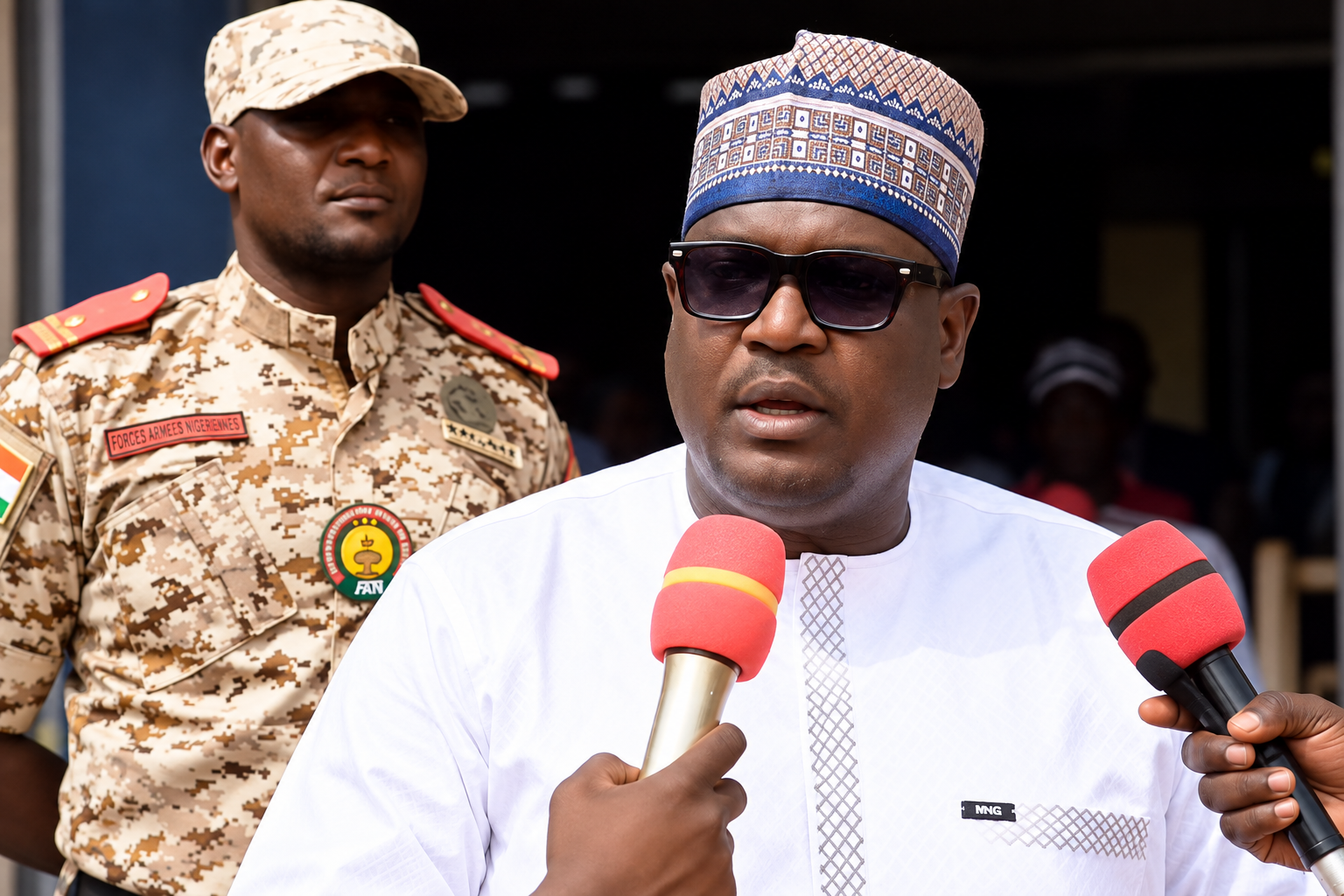
Niger's Ministry of Public Service, Labor and Employment has announced intense competition for teaching roles, with Ms. Aissatou Abdoulaye Tondi providing an update on the recruitment process for contract teachers on Monday, September 7. A total of 54,889 applications were submitted for just 11,015 available contract teacher positions. This significant number of applicants shows the high demand for employment within the education sector in the country and notes the broader challenges of securing formal employment in Niger. The update from Ms. Tondi, who serves as the Minister of Public Service, Labor and Employment, shed light on the scale of interest in these public sector opportunities.
Teacher Recruitment Drive
Approximately five application dossiers were registered for each announced position, according to the Ministry of Public Service, Labor and Employment. This precise ratio shows the intense competition. The recruitment drive for 11,015 contract teacher roles attracted a staggering 54,889 applicants from across Niger, all vying for a limited number of coveted positions. This ratio, with roughly five dossiers submitted for every available teaching post, vividly notes the significant interest in teaching positions within the country's public education system. The high volume of applications suggests a strong demand for employment, particularly in a sector that offers government-backed contracts and perceived stability. The Ministry's process aims to fill critical staffing gaps in schools nationwide, addressing the need for qualified educators while simultaneously reflecting the economic realities faced by many young Nigeriens.
Unemployment Pressure on Formal Jobs
The intense competition for teaching positions in Niger reflects broader pressures on formal employment opportunities within the country. The significant number of applicants for a limited number of roles shows the high demand for stable, government-backed jobs. This situation is particularly acute given the prevalence of youth unemployment in Niger, compelling many to seek entry into the public sector. The education ministry's recruitment drive, while addressing staffing needs in schools across the nation, simultaneously notes the scarcity of formal work opportunities outside of government employment. Young people frequently view public service roles, such as teaching, as pathways to economic stability and professional development in a challenging job market, emphasizing the critical role these positions play in individual livelihoods and national development.
World Bank Partnership Focus
The World Bank has designated human capital as a key focus area in its new partnership with Niger, which is set to span from 2026 to 2031. This strategic alignment suggests an emphasis on developing the country's human resources, potentially through initiatives related to education and skills development. This focus on human capital is among the key axes of the World Bank's engagement, indicating a long-term commitment to enhancing the capabilities and well-being of Niger's population. The partnership's focus shows international recognition of the importance of human capital in Niger's long-term development strategy, aiming to foster a more skilled and productive workforce.
Education Quality Improvement
The World Bank's partnership with Niger aims to improve the quality of education, a strategic objective designed to benefit approximately 300,000 students. This initiative forms part of a broader focus on human capital development within the country, recognizing that a strong educational foundation is key for national progress. The collaborative effort seeks to enhance educational outcomes and contribute to the long-term growth and stability of Niger's human resources. By targeting improvements in educational quality, the partnership intends to address foundational learning needs and support the academic progression of a significant student population. This focus aligns with the World Bank's strategic priorities for its engagement with Niger, scheduled from 2026 to 2031, with the goal of creating a more strong and effective education system for the benefit of hundreds of thousands of young learners.