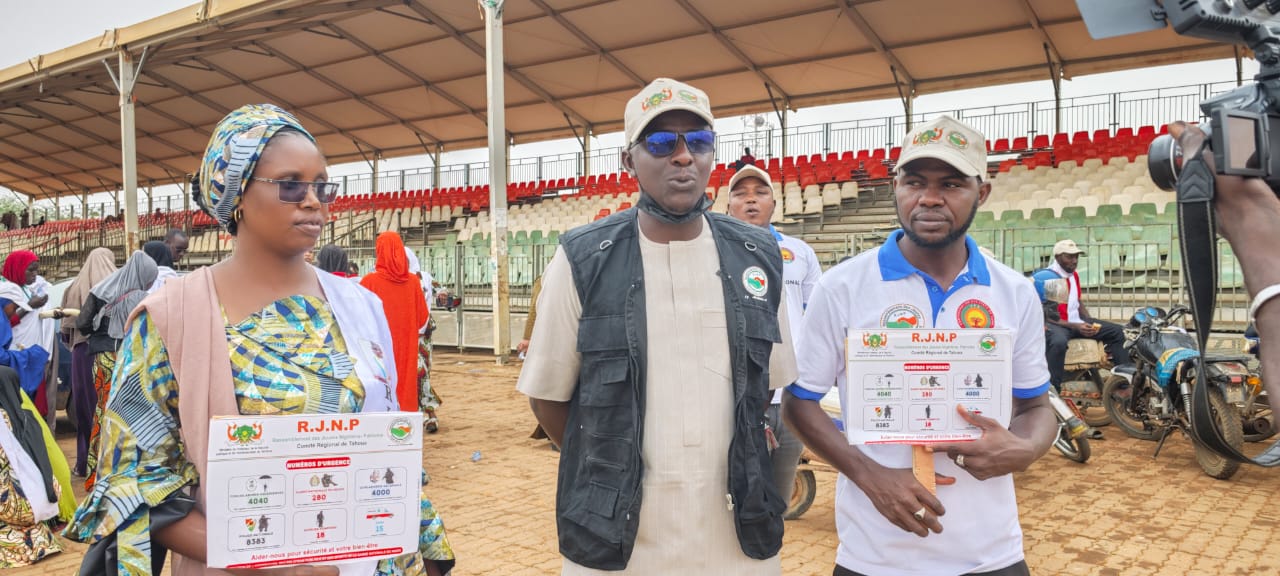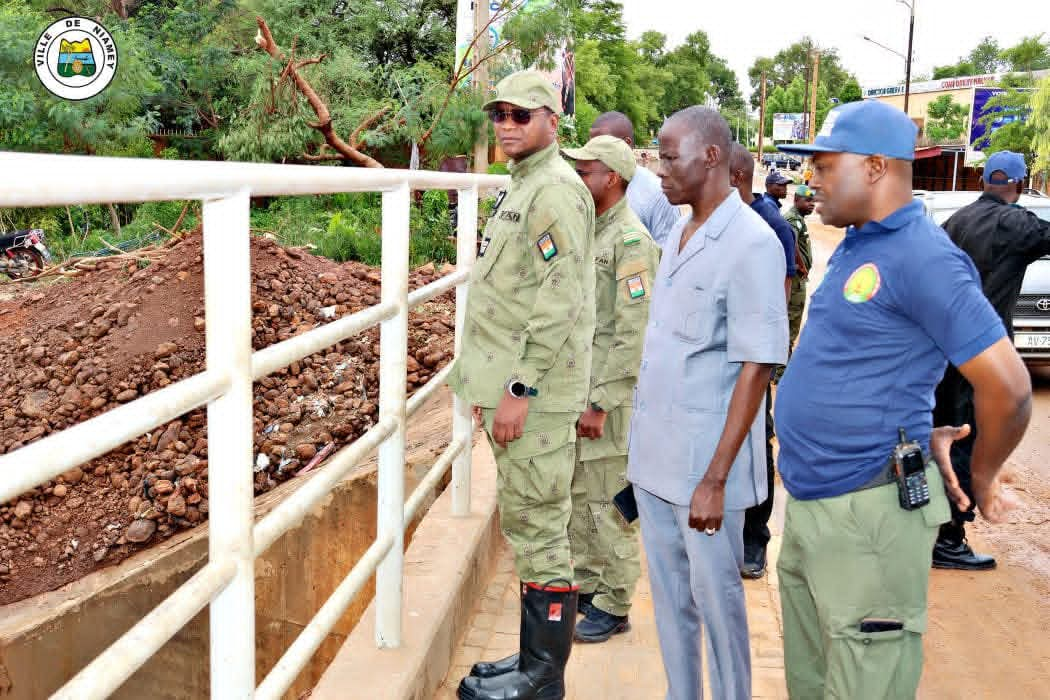
The Operational Center for Monitoring, Alert, and Crisis Management (COVACC) issued an alert on Saturday, June 13, 2026, warning residents in Niger about risks associated with floods, strong winds, lightning, structural collapses, and drownings. The warning comes as heavy rains have already led to livestock losses, with 62 heads of cattle reported lost. Such losses represent a significant economic blow to local communities, many of whom depend on livestock for their livelihoods. COVACC advised the public to "Rester à l’écoute des informations sur l’état de vigilance météo et des messages d’alerte du COVACC, à évacuer les zones inondables et les maisons inondées, à évacuer les eaux de pluie des cours inondées, et à Protéger les infrastructures essentielles et bien fixer les toitures des bâtiments." The center also urged people to avoid taking shelter under fragile structures or trees, and to refrain from crossing flooded rivers, emphasizing the immediate dangers posed by rapidly rising waters. These directives are key for minimizing casualties and damage during the intense weather events.
Devastating Impact Reported
Statistics from Niger's Directorate General of Civil Protection (DGPC) indicate a significant impact from the recent weather events. As of June 13, 2026, the DGPC reported seven deaths across the country. These fatalities were attributed to structural collapses and lightning strikes, noting the destructive power of the storms. Additionally, the same statistics confirmed 29 injuries resulting from similar incidents, further showing the peril faced by residents. The reported casualties show the immediate dangers posed by the heavy rains and associated hazards in affected regions, prompting urgent calls for vigilance and adherence to safety protocols. The DGPC continues to monitor the situation and update figures as more information becomes available from the various affected areas within Niger, ensuring a full overview of the unfolding crisis.
Official Alert and Warnings
Approximately 220 households, comprising 1,476 people, have been impacted by the recent weather events across the regions of Niamey, Dosso, Tahoua, and Zinder. These figures highlight the broad geographical spread of the floods and their significant social impact on communities in Niger, disrupting daily life and displacing families. The widespread nature of the incidents necessitates a coordinated response from national and regional authorities. Authorities continue to assess the full extent of the damage and the number of individuals affected as heavy rains persist across various parts of the country, with ongoing efforts to provide assistance to those displaced or otherwise impacted. The continuous monitoring is vital for understanding the evolving situation and deploying resources effectively.
Guidance for Public Safety
The Operational Center for Monitoring, Alert, and Crisis Management (COVACC) has issued specific safety directives for Nigerien residents, aiming to safeguard lives and property. COVACC advised people to "Rester à l’écoute des informations sur l’état de vigilance météo et des messages d’alerte du COVACC, à évacuer les zones inondables et les maisons inondées, à évacuer les eaux de pluie des cours inondées, et à Protéger les infrastructures essentielles et bien fixer les toitures des bâtiments." These full guidelines are designed to prepare the public for potential hazards and guide their actions during severe weather. The center urged the public to avoid sheltering under fragile structures or trees and to refrain from attempting to cross flooded rivers, as these actions significantly increase the risk of injury or death. These measures aim to mitigate risks from floods, strong winds, lightning, structural collapses, and drownings, promoting a culture of safety and preparedness among the population.
Broader Weather Context
Niger typically experiences its rainy season from June to September, with significant precipitation often leading to seasonal flooding across various regions. This annual cycle of heavy rainfall is a predictable but challenging aspect of the country's climate. The country's climate, characterized by arid and semi-arid conditions in many areas, makes it particularly vulnerable to flash floods when heavy rains occur, as the dry ground struggles to absorb large volumes of water quickly. While Niamey, Dosso, Tahoua, and Zinder have been recently impacted, other regions like Agadez, Maradi, Diffa, and Tillabéry also frequently contend with the effects of intense rainfall, demonstrating the nationwide scope of this recurring issue. These weather patterns are a recurring challenge, posing risks to infrastructure, livestock, and human lives annually across the nation, necessitating ongoing preparedness and mitigation strategies.