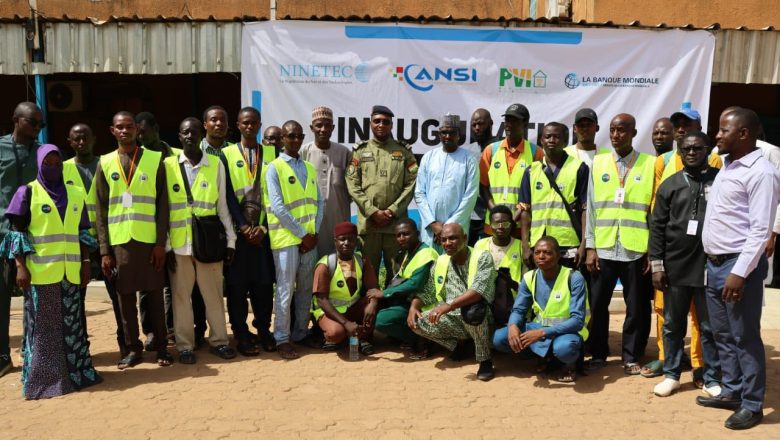
Niger has initiated a significant reforestation program, aiming to produce 18 million forest plants as part of its environmental restoration efforts. The Agence Nigérienne de Presse reported that this ambitious drive is scheduled to take place between 2024 and 2025. This two-year period marks a critical phase for the nation's ecological future. The initiative seeks to combat desertification and promote ecological balance across the nation, addressing pressing environmental challenges that have long affected the region.
Restoration Goals Detailed
Niger's reforestation program targets the restoration of 96,000 hectares of land. This substantial objective forms a core component of the country's broader environmental strategy, which aims to produce 18 million forest plants by 2025. The Agence Nigérienne de Presse has reported that the initiative is designed to address the challenges of desertification and to foster ecological balance throughout Niger. The land restoration efforts are concentrated on areas significantly impacted by environmental degradation, seeking to reintroduce vegetation and improve soil health. These measures are key for supporting local ecosystems and agricultural practices, which are vital for the livelihoods of many communities. The scope of the program notes a proactive approach to environmental management. The two-year timeframe for plant production and land restoration, specifically between 2024 and 2025, shows the urgency of the environmental objectives set by the nation and its commitment to achieving tangible results within a defined period.
Context of Land Degradation
Land degradation presents a substantial challenge across Niger, severely impacting agricultural productivity and local ecosystems. The country experiences significant pressures from desertification, which gradually diminishes arable land and contributes to food insecurity for many communities. This environmental decline results from a combination of factors, including climate change, inadequate land management practices, and population growth. The cumulative effect of these pressures has led to widespread ecological damage. The Agence Nigérienne de Presse has frequently noted the urgent need for interventions to protect and restore the nation's natural resources, emphasizing the critical role such initiatives play in safeguarding the future of its citizens.
The widespread loss of vegetation cover exacerbates soil erosion, reducing its fertility and capacity to retain water. This cycle of degradation further threatens biodiversity and the livelihoods of populations dependent on agriculture and pastoralism. The ongoing environmental stress also contributes to social and economic vulnerabilities. Addressing these environmental issues is critical for Niger's long-term sustainable development and for mitigating the adverse effects of climate change on its vulnerable populations, ensuring greater resilience against future environmental shocks. The program's focus on restoring 96,000 hectares is a direct response to these widespread issues.
Future Outlook and Impact
Niger's reforestation initiative is expected to yield long-term environmental and socio-economic benefits. The restoration of 96,000 hectares of land and the production of 18 million forest plants aim to significantly mitigate the effects of desertification, a major challenge for the nation. This large-scale effort, spanning from 2024 to 2025, is projected to transform degraded landscapes. Improved vegetation cover should help stabilize soil, enhance biodiversity, and contribute to more resilient agricultural systems, thereby supporting local economies. This effort, documented by the Agence Nigérienne de Presse, represents a strategic investment in the country's ecological future and the well-being of its communities, potentially fostering sustainable development and climate change adaptation across Niger. The success of this program could serve as a model for other nations facing similar environmental pressures.