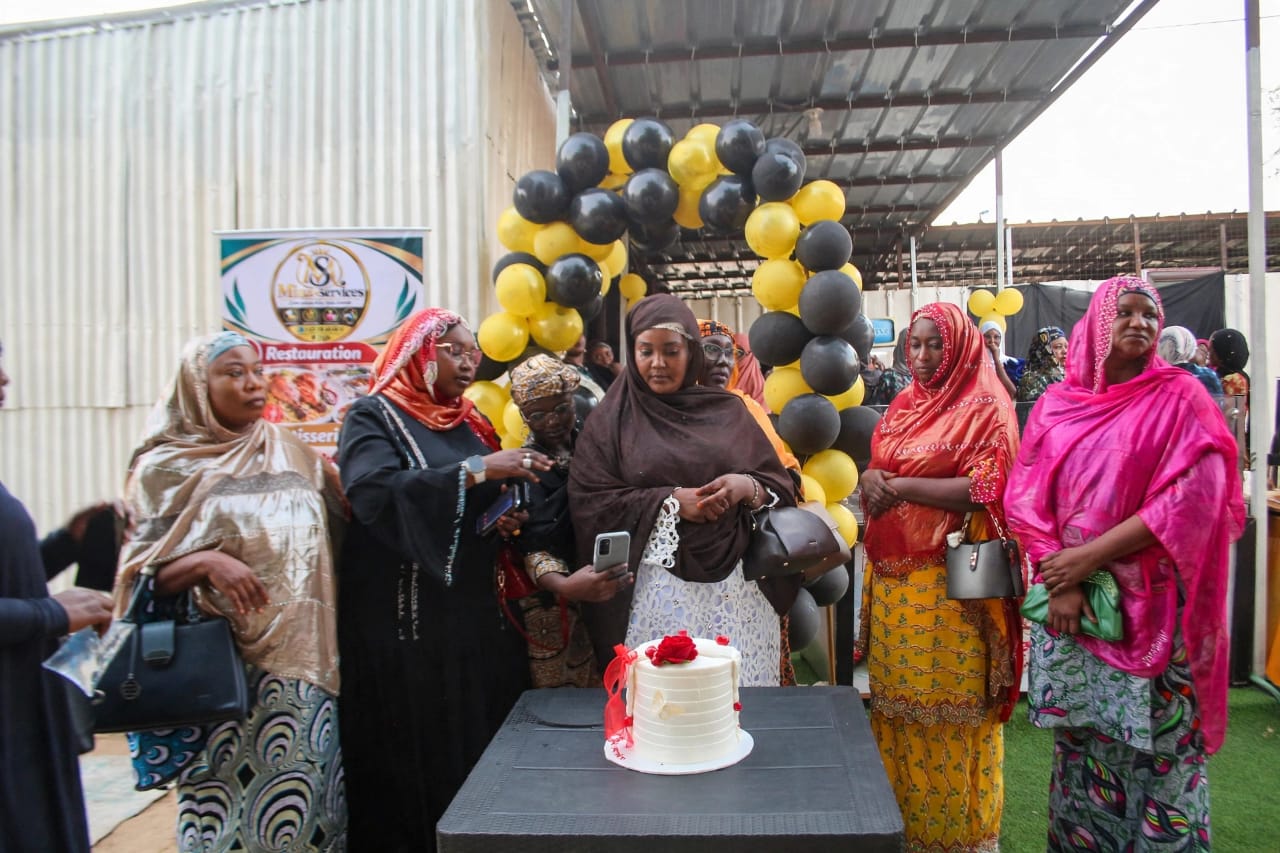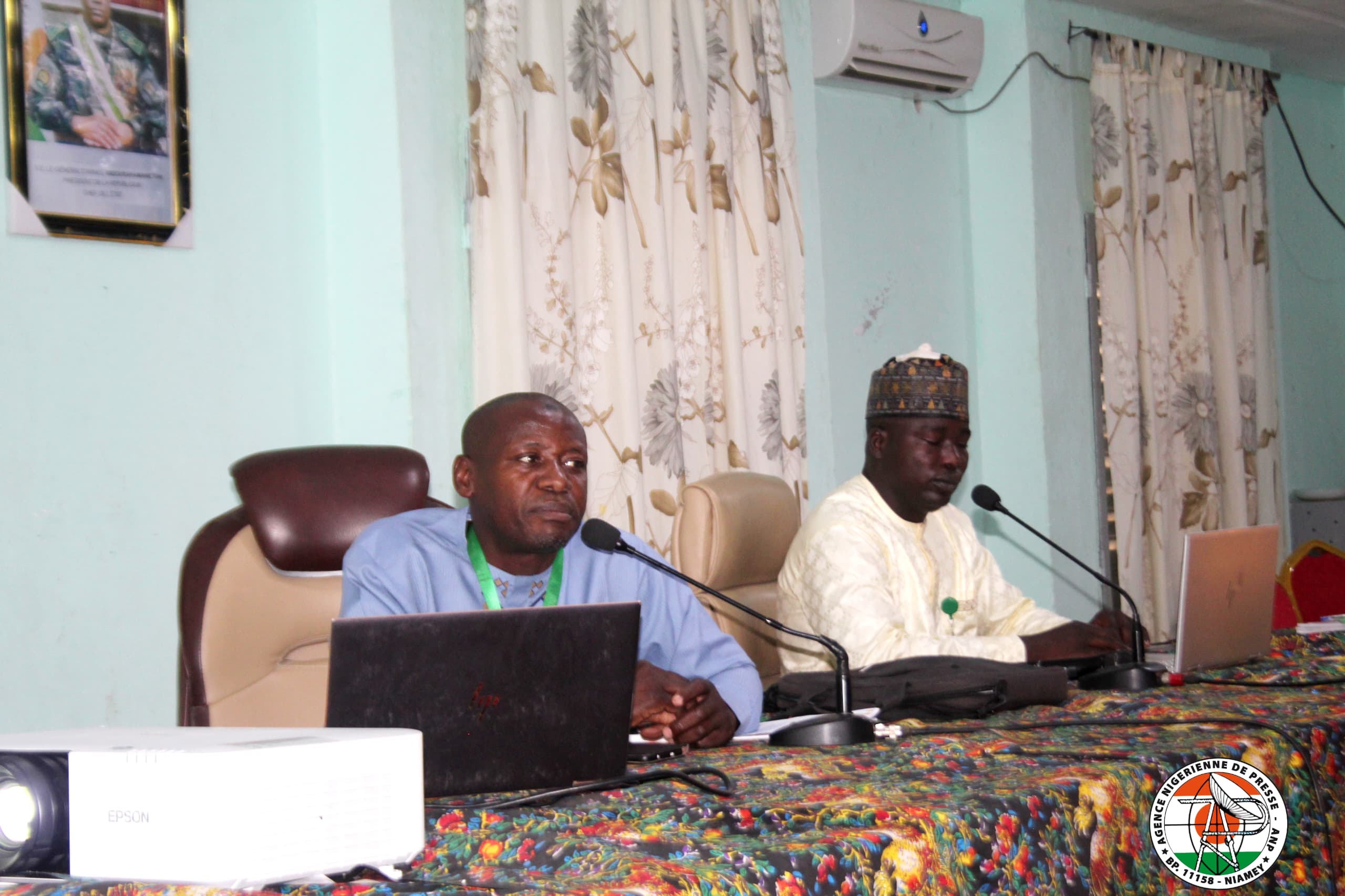
Officials launched the second phase of the subsidized local rice sales program in Zinder on 2 November 2026. This initiative functions as a partnership between the Office national des aménagements hydro-agricoles (ONAHA) and the Fonds de solidarité pour la sauvegarde de la patrie (FSSP). Colonel Massalatchi Mahaman Sani, Governor of the Zinder region, described the effort by stating, "Cette opération d’acte concret de patriotisme économique et de souveraineté nationale." The program aims to increase access to domestic rice supplies for residents throughout the region. By connecting ONAHA and the FSSP, the government seeks to manage distribution channels effectively. Authorities confirmed that this phase follows the initial deployment of the subsidized program within Niger.
Distribution and Supply Logistics
Logistics teams completed the delivery of 125 tonnes of rice to Zinder to support the second phase of the program. This shipment provides a total supply of 5,000 bags, with each bag containing 25 kilograms of grain. Officials organized the transport of these goods to ensure the subsidized inventory reaches local markets. Residents throughout the Zinder region will access this rice as part of the partnership between the Office national des aménagements hydro-agricoles and the Fonds de solidarité pour la sauvegarde de la patrie. Distribution protocols remain in place to manage the release of the 5,000 bags to the public. These supplies represent the primary stock allocated for the current deployment phase within the region.
Pricing and Consumer Options
The price for a 25kg bag of 'Bondourey L1' rice is set at 10,500 francs CFA under the current phase of the subsidized program. Consumers seeking 'Brabous-ko L3' or 'Dambou' rice can purchase 25kg bags for 8,000 francs CFA. These price points reflect the standardized rates established by the government to ensure affordability for local residents across the region.
Financial support for these inventory acquisitions stems from a 300 million francs CFA investment made by the Fonds de solidarité pour la sauvegarde de la patrie (FSSP). This capital enabled the organization to purchase rice paddy directly from national farmers, bypassing intermediaries to support local agricultural producers while securing stock for the subsidized distribution network.
Broadly, the program aims to cover the needs of at least 100,000 households across the eight regions of Niger. This target figure represents the intended reach of the initiative as authorities work to increase access to domestic grain supplies on a national scale. Distribution plans for the 5,000 bags allocated to Zinder remain aligned with these broader national objectives.