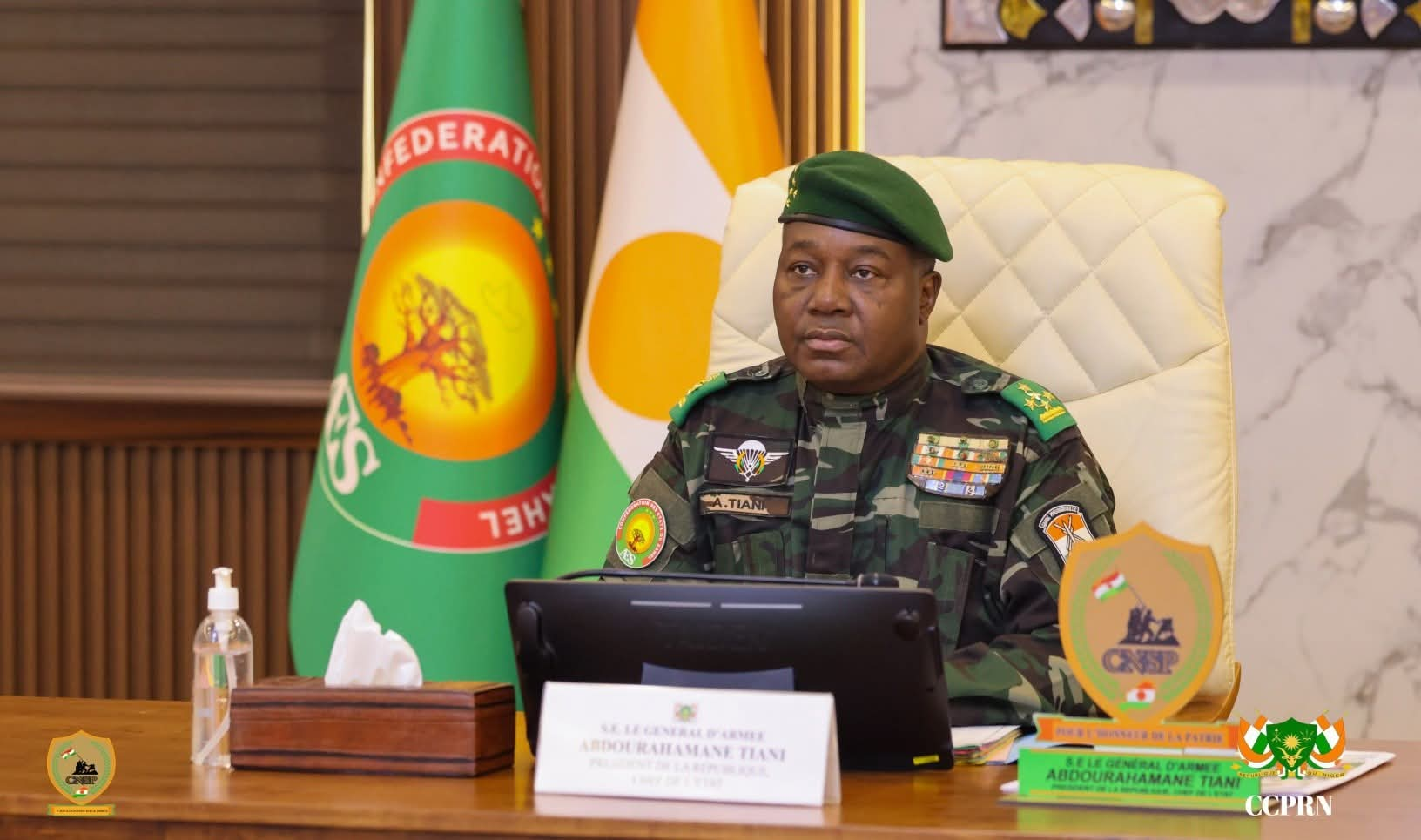
Niger's Council of Ministers convened a meeting in Niamey on Thursday, April 30, 2026, to address pressing national issues, including reaffirming solidarity with neighboring Mali. The meeting, presided over by General Abdourahamane Tiani, focused on various strategic matters impacting the nation. This gathering shows Niger's commitment to regional stability and cooperation, particularly in light of ongoing security challenges faced by its allies. The discussions aimed to reinforce diplomatic ties and coordinate efforts on shared concerns across the Sahel. The full agenda of the meeting reflected the current priorities of the Nigerien government, emphasizing both internal governance and external relations.
Council of Ministers Convened
The meeting of Niger's Council of Ministers took place in Niamey on Thursday, April 30, 2026. It was presided over by the President of the Republic, Head of State, General of the Army Abdourahamane Tiani, who led the session addressing a range of national priorities. General Tiani's presence showed the high-level commitment to the discussions and decisions made during the session. The Council's agenda included discussions on maintaining regional stability and strengthening solidarity with Mali. The meeting also focused on coordinating efforts to tackle shared security challenges in the Sahel, reinforcing Niger's commitment to diplomatic engagement and mutual support among its neighbors. This gathering shows the leadership's direct involvement in shaping national policy and international relations, ensuring that critical issues are addressed with urgency and strategic foresight. The deliberations during the meeting were key for setting the course for Niger's domestic policies and its stance on regional security matters.
Expression of Solidarity
The President of the Republic, the Government, and the Nigerien people collectively reaffirmed their solidarity with the Malian people. This expression of support comes as Mali continues to face significant security challenges, including ongoing terrorist attacks within its borders. Niger's leadership emphasized its commitment to standing alongside its neighbor during these difficult times, noting the importance of regional unity in addressing common threats. The reaffirmation shows a shared understanding of the complex security landscape in the Sahel region, where both nations are grappling with the impacts of extremist violence and instability. This gesture of solidarity is not merely symbolic but reflects a deep-seated belief in the necessity of collective action against shared adversaries.
The gesture by Niger’s President, Government, and its citizens is intended to bolster morale and reinforce the diplomatic bonds between the two West African nations. Such declarations of solidarity are often seen as key in fostering a united front against cross-border security issues. It reflects a broader regional strategy to enhance cooperation and mutual assistance in counter-terrorism efforts, acknowledging that the fight against armed groups requires collective action and sustained support among affected countries. The stated solidarity aims to demonstrate a united position against those seeking to destabilize the region, sending a clear message of resilience and cooperation to both internal and external actors. This mutual support is considered vital for the long-term stability of the entire sub-region.
Regional Security Context
The broader security landscape in the Sahel region continues to pose significant challenges for nations like Niger and Mali. Both countries are grappling with the persistent threat of extremist groups and armed violence, which destabilizes borders and impacts civilian populations. The volatile environment necessitates strong regional cooperation to address cross-border security concerns effectively. Efforts by regional leaders, including General Abdourahamane Tiani of Niger, frequently focus on coordinating strategies to counter terrorism and promote stability. The shared experiences of insecurity foster a need for mutual support and diplomatic engagement between neighboring states. This ongoing situation shows the complex dynamics faced by governments in their efforts to secure their territories and ensure the safety of their citizens amidst widespread regional instability. The continuous threat from non-state armed groups requires a coordinated and sustained response, making bilateral and multilateral partnerships indispensable for regional security.