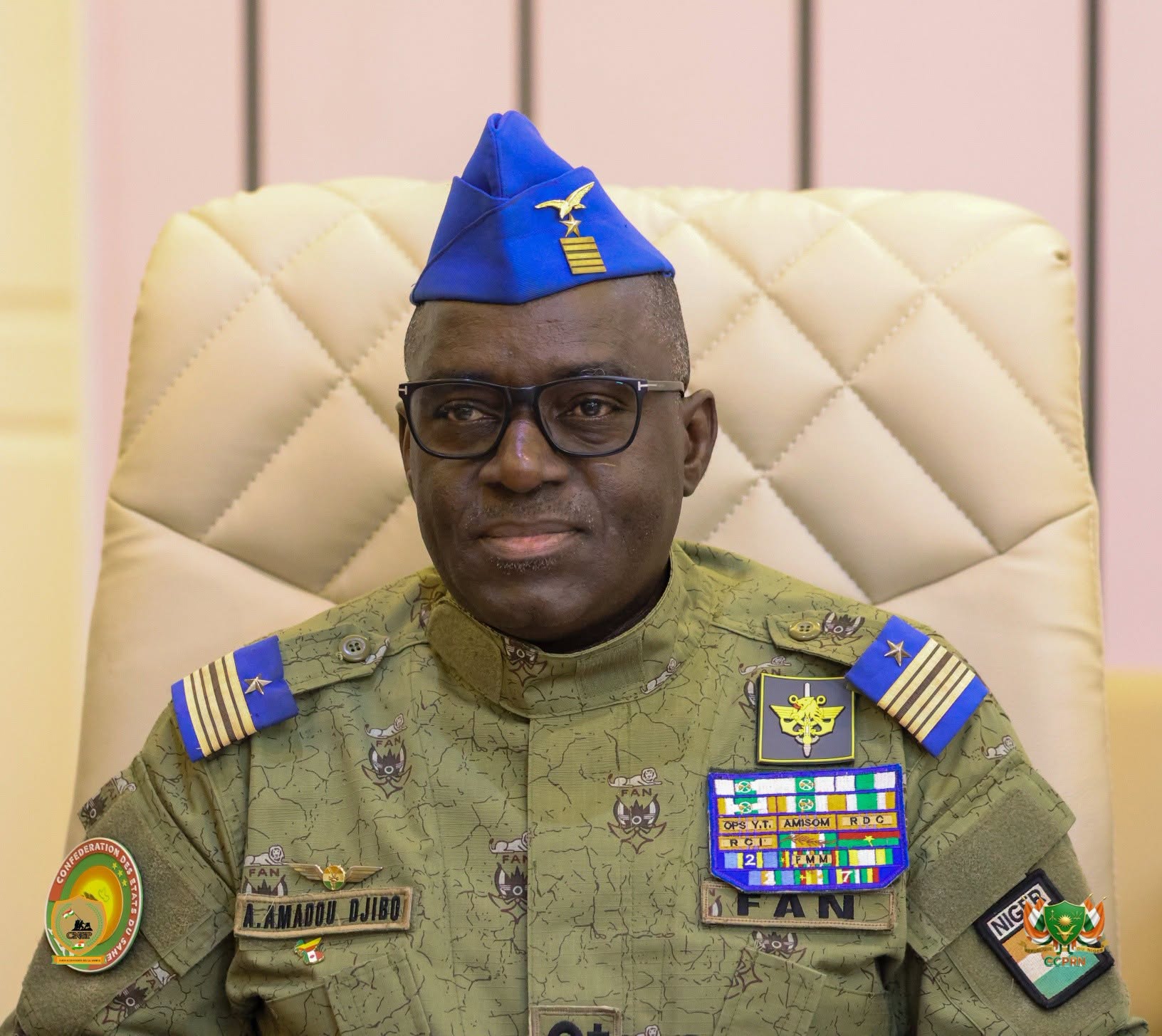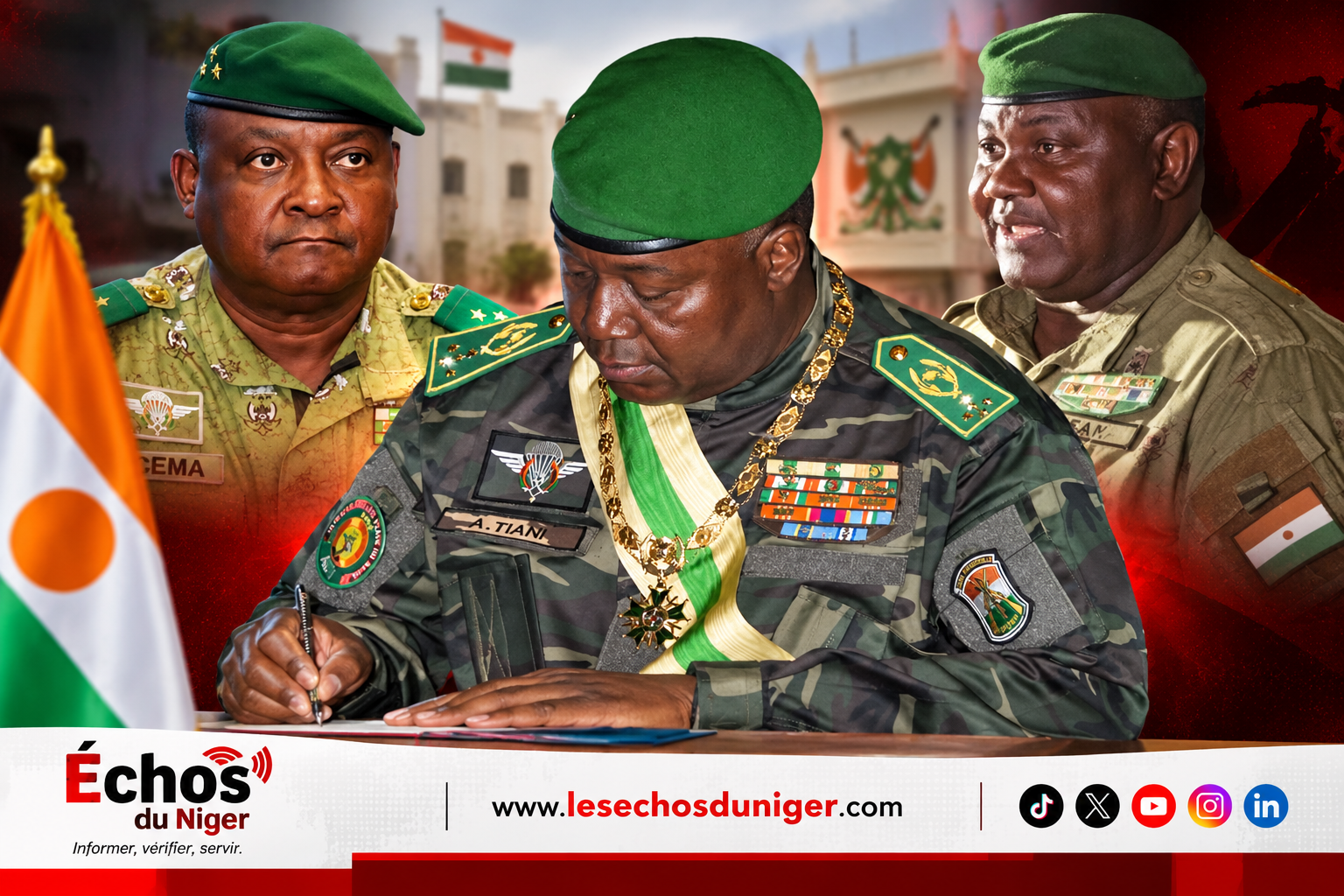
General de brigade Mahaman Sani Kiaou has been appointed as the new head of the Nigerien Armed Forces, according to decrees announced on September 11, 2026. This leadership change marks a significant reshuffling within Niger's military command, signaling a concerted effort to establish a new order at the top of the nation's defense structure. General de brigade Mahaman Sani Kiaou has officially taken over as head of the Nigerien Armed Forces, a move that observers note is aimed at consolidating authority following recent internal disturbances. The decrees outlining these extensive changes were formally announced on September 11, 2026, providing clarity on the new chain of command.
New Military Appointments Detailed
The sweeping changes extend across various branches of the military. General de brigade Abdourahmane Abou Zataka has been named to command the army, according to the recent decrees, placing him at the helm of the ground forces. This appointment is part of a broader strategy to recalibrate leadership roles. The military changes also extended to the deputy positions within both the army and the air force, indicating a full overhaul of key leadership roles beyond the top command. These appointments follow a period of significant reshuffling within the nation's military command structure, reflecting a strategic response to recent events. The detailed decrees specify the new roles, ensuring a clear succession and operational framework for the armed forces.
General de brigade Mahaman Sani Kiaou, the newly appointed head of the Nigerien Armed Forces, has already demonstrated an active engagement with military units across the country. He recently completed a tour in Zinder, designated as Zone de defense N°3, and Agadez, key strategic regions within Niger. During his tour, General Sani Kiaou focused on reporting on the events that occurred in late August, directly addressing the recent challenges faced by the military. His agenda also included inspecting military units to assess their readiness and morale, and actively working to combat disinformation campaigns that could undermine the stability and integrity of the armed forces. This proactive engagement shows the new leadership's commitment to internal cohesion and operational transparency.
Context of the Reshuffle
The reorganization of military leadership follows a mutiny in Niamey that occurred on August 28-29, 2026. This period saw significant internal upheaval within the armed forces, creating a need for decisive action to restore order and trust within the ranks. The departure of Moussa Salaou Barmou, a prominent figure in the previous military hierarchy, is widely regarded as a potential sanction directly related to the mutiny. This perception notes the seriousness with which the authorities are addressing the insubordination. The changes signal a broader effort to consolidate control and address the aftermath of the unrest within the military hierarchy, aiming to prevent future occurrences and reinforce discipline.
Implications and Future Outlook
General de brigade Mahaman Sani Kiaou's appointment as the new head of the Nigerien Armed Forces signifies a notable shift in the country's military command. He succeeds Moussa Salaou Barmou, whose departure is seen by some as a direct consequence of the August 28-29, 2026 mutiny in Niamey. This change at the top, along with other recent appointments across the army and air force, suggests a concerted effort by the current leadership to reassert authority and stabilize the armed forces following the period of internal unrest. This reorganization may also aim to address potential fissures within the military hierarchy that became evident during the mutiny, fostering a more unified and disciplined force. The new leadership faces the critical task of consolidating control and ensuring cohesion within the armed forces moving forward, a challenge that will require strategic leadership and effective communication. The full implications of these changes for Niger's security posture and internal stability remain to be seen as the new command structure takes full effect and begins to implement its vision for the nation's defense.