The Nigerien government revoked the mining concession held by the Commissariat à l’Energie Atomique (CEA) in Arlit following a council of ministers meeting on Monday, May 18, 2026. The decision, made during the session held in Niamey, marks a significant development concerning the foreign entity's operations in the country. This action directly impacts the CEA's presence in Arlit, a key mining region in Niger, known for its rich uranium deposits. The government's decision was formalized after extensive deliberations in the capital, Niamey, indicating a deliberate and high-level move to alter the terms of mineral extraction within its borders and assert greater national control over vital resources.
Details of the Revocation
The mining concession in Arlit, which has now been formally revoked by the Nigerien government, was initially granted to the French Atomic Energy Commission (CEA). This concession had been a cornerstone of the CEA's operations in Niger for many years. The CEA, a French public establishment, has historically been deeply involved in nuclear energy research and development, including extensive uranium mining operations in various countries across the globe. Its concession in Arlit has been a long-standing fixture in Niger's mining sector, particularly in the extraction of uranium, a critical component for nuclear power generation. The decision by the Nigerien authorities specifically targets this concession, signaling a profound shift in the operational landscape for foreign entities engaged in mining within the country's borders. The revocation impacts the CEA's ability to continue its activities under the previous agreement in the Arlit region, effectively terminating its rights to operate there. Nigerien officials have cited reasons pertaining to national sovereignty and the optimization of resource management for the decision to reclaim control over the concession, emphasizing the nation's right to manage its own natural wealth. The move reflects a broader trend observed across African nations, where governments are increasingly reassessing and renegotiating their agreements with foreign mining companies to ensure greater national benefit and equitable resource distribution.
Government Meeting Context
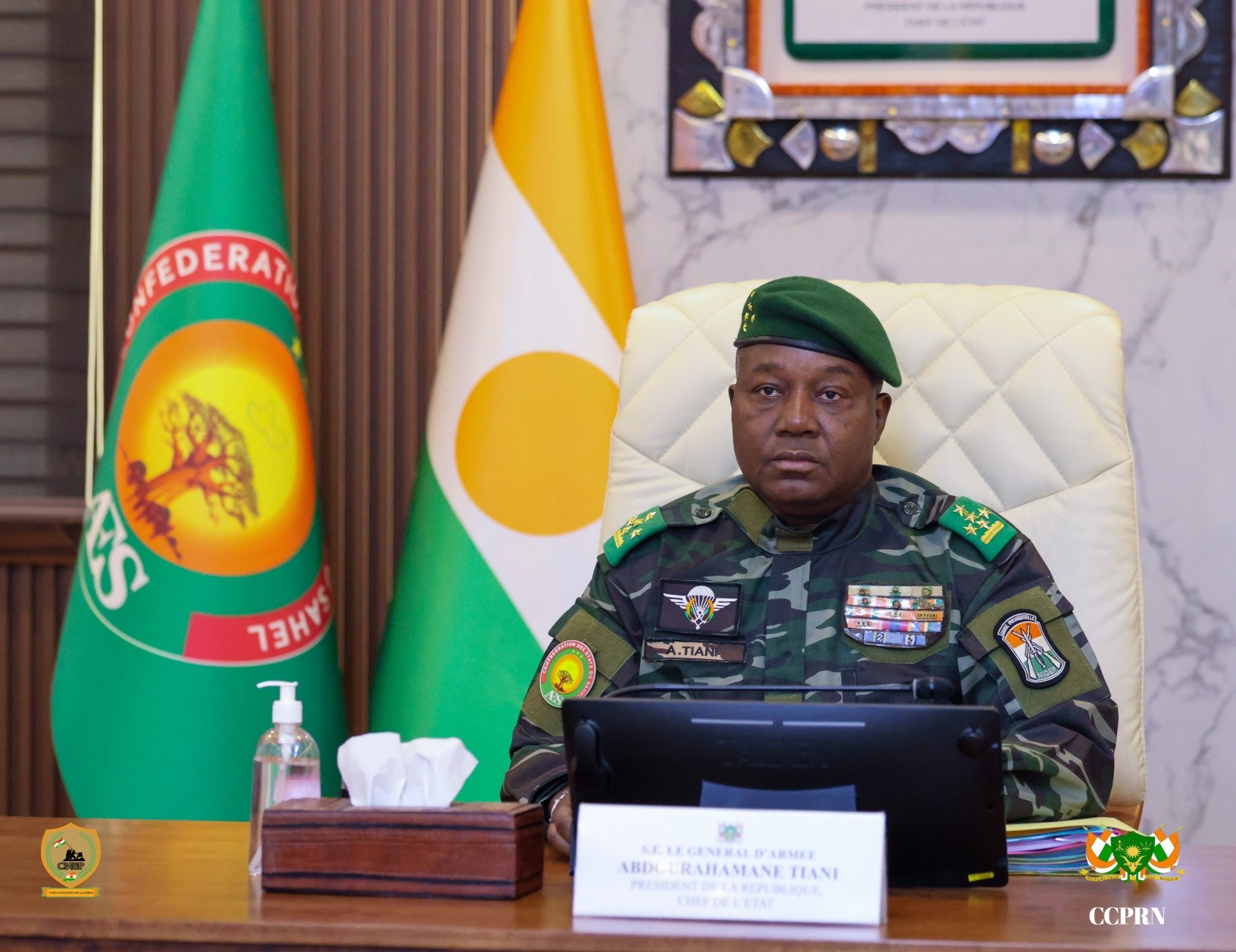
The council of ministers meeting, during which the key decision to revoke the Commissariat à l’Energie Atomique (CEA) mining concession was made, convened at the cabinet of the President of the Republic. This significant gathering was presided over by General of the Army Abdourahmane Tiani, the President of the Republic, showing the gravity and strategic importance of the issues discussed. The meeting was held in Niamey, the capital of Niger, on Monday, May 18, 2026. This formal and high-level setting shows the extensive governmental involvement in the decision-making process regarding the future of the Arlit concession, reflecting a unified stance from the nation's leadership. The deliberation by the council directly led to the formalization of the revocation, impacting the CEA's operations in the region and signaling a new direction for resource management. The decision was the culmination of discussions aimed at prioritizing national interests in the exploitation of natural resources.
Implications and Future
The revocation of the Commissariat à l’Energie Atomique (CEA) mining concession in Arlit by the Nigerien government signals a potential and significant shift in the country's approach to foreign-led resource extraction. This decision, formalized during a council of ministers meeting presided over by General of the Army Abdourahmane Tiani, may lead to new opportunities for domestic or alternative international entities in the Arlit region, potentially reshaping the local mining industry. Niger's assertive move could prompt further re-evaluations of existing mining agreements across the board, potentially impacting other foreign companies currently operating within the nation's borders and encouraging a re-negotiation of terms. The action shows the government's intent to assert greater control over its natural resources and ensure that the benefits of extraction are maximized for the Nigerien populace, as reported by the Agence Nigérienne de Presse (ANP). The long-term implications for Niger's economy, its relationships with international partners, particularly France, and its standing in the global mining sector remain a key area of observation following the decision made in Niamey. This move could set a precedent for resource-rich nations seeking to redefine their engagements with international mining corporations.