Niger has significantly expanded its educational outreach, aiming to accelerate access to basic knowledge across the nation. This strategic push is designed to broaden educational opportunities and empower its populace. The number of learners registered in literacy and non-formal education centers in Niger increased by 58% in 2026, demonstrating a substantial growth in participation. This surge saw registrations rise from 60,702 learners in 2025 to 96,085 learners in 2026, reflecting the growing demand for and access to educational programs. Concurrently, the number of operational centers grew substantially to accommodate this increased enrollment. In 2025, there were 1,920 centers, a figure that expanded to 2,716 centers in 2026. These 2,716 centers now serve the 96,085 registered learners, providing key infrastructure for educational delivery across various regions.
Expanding Access to Education
A significant portion of this expansion was dedicated to younger learners. Niger established 1,920 centers specifically for children and adolescents during this period, providing education to 55,435 children. Among these young learners, 29,194 were girls, noting efforts to ensure gender parity in educational access. The expansion of educational infrastructure was guided by a framework note, n° 229, which was issued on June 12, 2025. This directive outlined the specific guidelines and strategic vision for opening new literacy centers across the country, ensuring a coordinated and effective approach to educational development.
In addition to establishing new facilities, the government also reactivated existing educational resources to maximize available capacity. Sixteen permanent education centers were brought back into operation during 2025, contributing to the overall increase in learning spaces. Building on this initial effort, authorities plan to revitalize 150 additional permanent education centers throughout 2026. This initiative aims to further broaden access to educational opportunities, ensuring that a wider segment of the population can benefit from structured learning environments. These reactivated centers complement the newly established ones, creating a full network for literacy and non-formal education.
The literacy programs themselves have been updated to incorporate practical life skills, making education more relevant and impactful for learners. These revised curricula now include essential subjects such as environmental education, citizenship, and health topics. The integration of these subjects aims to provide learners with knowledge directly applicable to their daily lives, enhancing their ability to navigate and contribute to their communities. This holistic approach to education extends beyond basic literacy, fostering well-rounded individuals equipped with critical life skills.
Focus on Adult Learners
In 2026, a total of 796 centers across Niger were dedicated to adult education, accommodating 40,650 adult learners. These centers played a significant role in the nation's expanded educational initiatives, providing structured learning environments for adult populations seeking to acquire or improve their literacy skills. The focus on adult literacy is part of a broader government strategy to enhance foundational knowledge and skills among all age groups, recognizing the importance of lifelong learning for national development.
During the same period, 36,308 adult learners participated in evaluation processes designed to assess their literacy acquisition. These evaluations are critical for measuring the effectiveness of the teaching methodologies and curricula implemented in the adult education centers. Of those evaluated, 22,661 individuals were officially declared literate, indicating the direct and measurable impact of the programs. This outcome shows the success of the adult learning initiatives in empowering individuals with essential reading and writing abilities.
The success rate for adult learners in these programs reached 62.41% in 2026. This figure reflects the proportion of evaluated individuals who successfully met the established literacy criteria, signifying a substantial achievement in adult education. The outcome notes the progress made in adult education and contributes significantly to the overall national literacy objectives, moving Niger closer to its goal of a more literate society.
Government's Vision and Goals
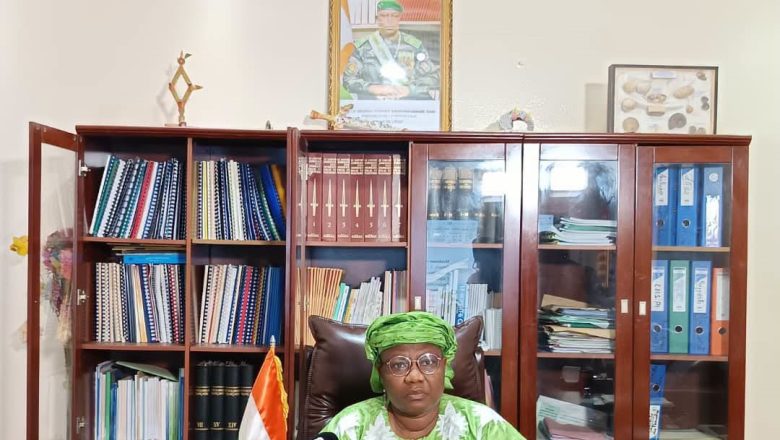
Niger's government has articulated a vision for literacy as a foundational element for national progress and sustainable development. Dr. Élisabeth Shérif, the Minister of National Education, Literacy and Promotion of National Languages, stated that the government considers literacy a long-term investment. This investment is aimed at strengthening human capital across the nation, which is seen as key for leveraging knowledge to achieve broader development goals and bolster national sovereignty. The government's commitment to educational expansion and literacy programs aligns with the scheduled observance of the 60th International Literacy Day on September 8, 2026. This upcoming event serves as a significant milestone in Niger's ongoing efforts to enhance educational attainment among its population, providing an opportunity to reflect on progress and renew commitments. The government's strategy shows the belief that a literate populace is essential for sustainable growth and self-reliance, driving forward a national agenda focused on human development.
International Literacy Day
The upcoming 60th International Literacy Day, scheduled for September 8, 2026, will be observed under the theme 'Literacy for people, the planet, and prosperity'. This theme reflects a broad and interconnected approach to literacy, emphasizing its vital role in human well-being, environmental sustainability, and economic advancement. The celebration will highlight the ongoing efforts and achievements in promoting literacy worldwide, with Niger's own progress serving as a key example of national commitment to this global cause. It will also serve as a platform to advocate for continued investment and innovation in literacy programs, showing their importance in fostering inclusive and equitable societies.