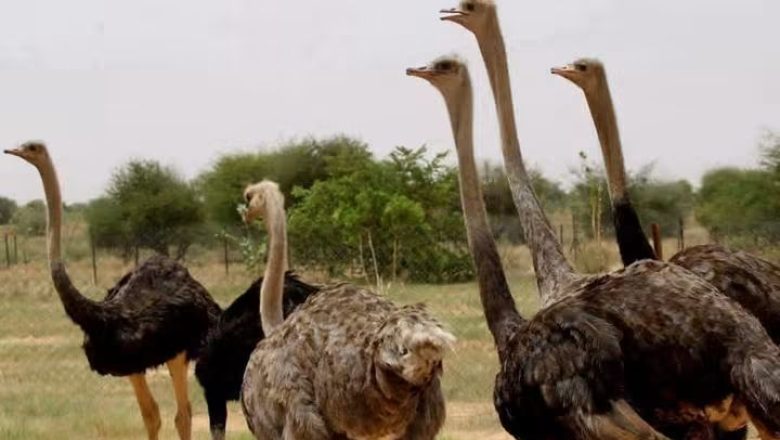
Niger successfully released eight red-necked ostriches into the wild on September 2, 2026, marking the first successful reintroduction of the species in the country. This significant event signals a major conservation milestone for the West African nation, as the majestic red-necked ostrich (Struthio camelus camelus) had been absent from Niger's natural environment since the early 2000s. The reintroduction aims to restore this iconic bird to its native habitat after an absence of over two decades, addressing a critical gap in the region's biodiversity. The disappearance of the species was primarily attributed to factors such as widespread poaching and regional instability, which severely impacted ostrich populations.
The Breeding and Release Journey
The careful breeding program that culminated in this historic reintroduction began nearly two years prior, specifically in Kellé, a strategically chosen location within the Gouré department. The site in Kellé, situated in the Zinder region, served as the primary breeding location for the ambitious project. This dedicated facility was key for nurturing the young ostriches in a controlled environment before their eventual release into the wild. The eight red-necked ostrich specimens released into the wild were aged between 18 and 30 months at the time of their reintroduction, ensuring they had reached a strong stage of development.
These ostriches were initially transferred to Gadabedji when they were two-month-old chicks, a critical phase in their development. At Gadabedji, they continued their growth and adaptation before their eventual release into their natural habitat within the Gadabedji Biosphere Reserve. This careful, multi-stage process was designed to ensure the young birds were well-adapted and strong enough for survival in the wild, marking a significant and scientifically informed step in the conservation efforts for the species in Niger. The program's duration and the phased approach show the careful planning and sustained commitment involved in bringing the red-necked ostrich back to the region after its long absence. Agents of Water and Forests based in Gadabedji played a key role, providing daily care for the ostriches for nearly two years, ensuring their health and proper development.
Conservation Efforts and Significance
The reintroduction operation was conducted jointly by Niger's Ministry of Environment and the non-governmental organization Sahara Conservation. This collaborative effort facilitated the successful release of the eight red-necked ostriches into their natural habitat, showcasing effective partnerships in conservation. The project is being presented as a blueprint and a model for similar conservation initiatives across the region, offering valuable lessons for future endeavors. Officials indicate that the success of this reintroduction provides a tangible model for future efforts to restore endangered species not only in Niger but also in other Sahelian nations facing similar ecological challenges. The methodology employed, encompassing everything from captive breeding and careful monitoring to the strategic selection of release sites, aims to inform subsequent conservation programs throughout the broader Sahelian belt. This full approach notes a proactive strategy to combat biodiversity loss and restore ecological balance in the region.
Community and Official Support
The success of the program was also significantly bolstered by dedicated personnel and strong official backing. Agents of Water and Forests based in Gadabedji provided daily care for the ostriches for nearly two years, demonstrating unwavering commitment to the project. Maimounatou Ibrahim, affectionately known as 'the mother of ostriches', played a key supervisory role during the breeding phase of the project, overseeing the key early development of the birds. Her expertise and dedication were instrumental in the successful rearing of the young ostriches.
The release ceremony itself drew significant official attendance, showing the national importance of this conservation achievement. Dignitaries present included officials from the Directorate of Water and Forests, the Governor of Maradi region, the Prefect of Bermo, and the delegated administrator of Gadabedji commune. The presence of customary chiefs of Bermo department and the chief of the Koutous canton further noted the broad community and traditional leadership support for the initiative. General Mahamadou Ousseini, widely recognized as a pioneer in ostrich farming and conservation efforts within Niger, was also among the distinguished guests at the ceremony, lending his considerable experience and prestige to the event.
Call for Protection and Future Prospects
Following their release, the ostriches are now living freely within the protected confines of the Gadabedji Biosphere Reserve. This strategic choice of location is critical for the long-term success of the reintroduction. The significant conservation effort aims to restore a species that had disappeared from Niger's natural environment since the early 2000s. As previously noted, the absence of the red-necked ostrich was primarily attributed to factors such as widespread poaching and regional instability, which decimated populations across its traditional range. Conservationists express strong hope that the protected environment of the Gadabedji Biosphere Reserve will provide a safe and secure habitat, allowing the newly reintroduced population to thrive, reproduce, and re-establish itself in the wild. The success of this initial release will be key for the long-term prospects of the species in Niger and will serve as a beacon of hope for wildlife conservation across the Sahel. Continued vigilance and community engagement will be critical to ensure the ongoing protection and flourishing of these magnificent birds.