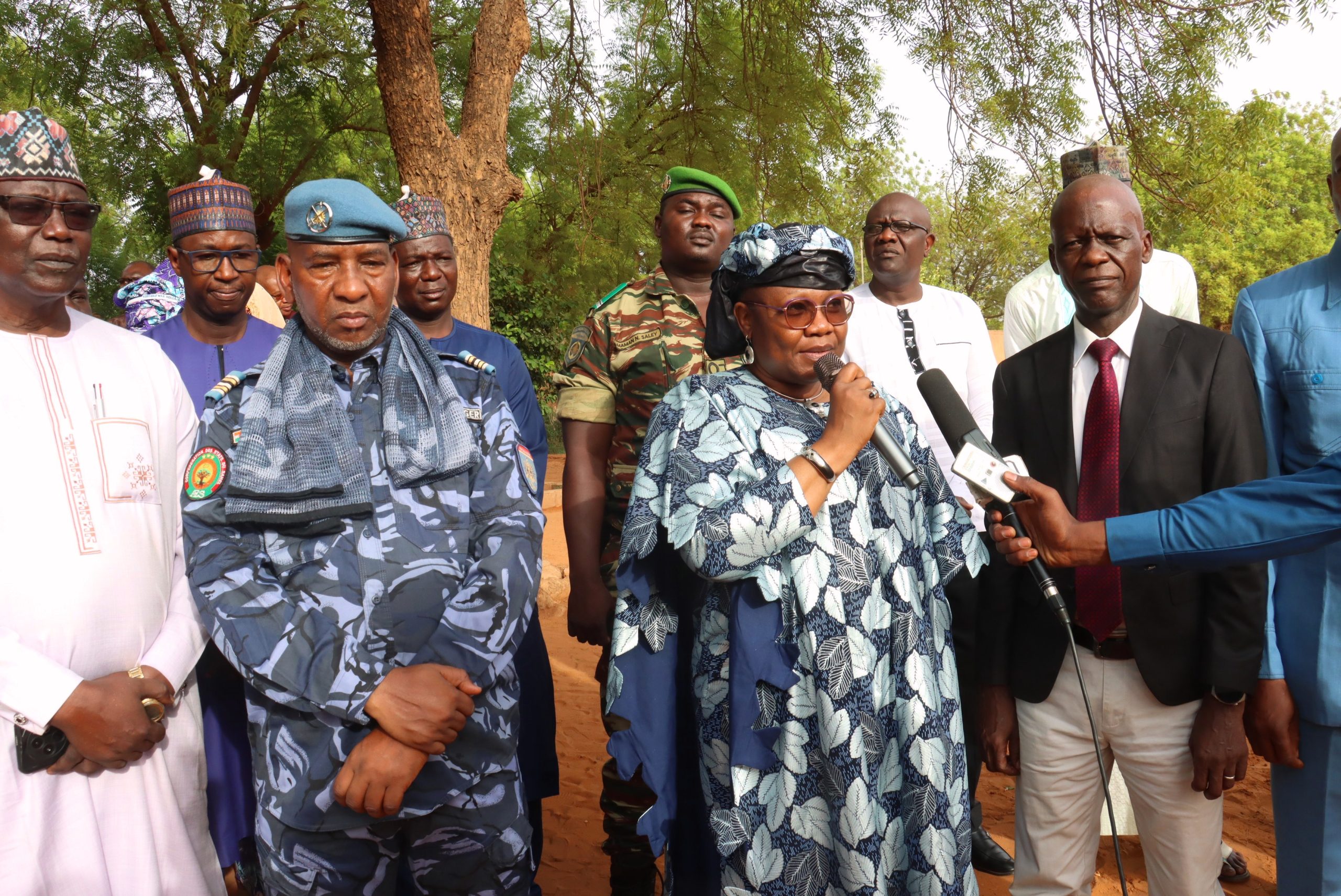
A patriotic mobilization involving schoolchildren recently occurred in Tahoua, Niger, according to reports. The event saw students participate in activities designed to foster national pride. This mobilization, a clear demonstration of civic engagement at the grassroots level, shows a concerted national effort to cultivate a strong sense of identity and collective purpose among the younger generation. Such initiatives are becoming increasingly prominent within Niger's current socio-political landscape, aligning with a broader national agenda focused on unity and self-reliance.
Patriotic School Mobilization in Tahoua
Schoolchildren in Tahoua, Niger, participated in a patriotic mobilization event, according to local reports. The activity aimed to instill national pride among young students. While details on the specific nature of the mobilization were not extensively reported, such events typically involve educational programs, cultural performances, and civic lessons designed to connect youth with national identity and values. These programs often include flag-raising ceremonies, recitations of national anthems and pledges, historical presentations, and artistic expressions that celebrate Nigerien culture and heritage. The emphasis on these activities is to ensure that the foundational principles of national unity and sovereignty are understood and embraced from an early age. The initiative aligns with broader efforts in Niger to promote a sense of unity and collective purpose, particularly among its younger population, recognizing them as future custodians of the nation's destiny.
The event in Tahoua follows a period of heightened nationalistic sentiment across Niger. Public discourse has increasingly focused on national sovereignty and self-reliance, with various sectors of society called upon to contribute to what has been termed a "refoundation dynamic." This dynamic seeks to redefine national priorities and strengthen internal cohesion in the face of regional challenges and evolving geopolitical circumstances. The concept of "refoundation" signifies a full and deliberate effort to reassess and rebuild national structures, values, and aspirations to better serve the country's long-term interests. School mobilizations are one method employed to engage citizens, especially the youth, in these national objectives, ensuring that the principles of this dynamic are disseminated widely and deeply embedded within society. The participation of students in such events is seen as a vital step in fostering a generation that is deeply committed to the nation's progress and collective well-being.
Educational institutions frequently serve as platforms for civic engagement and the dissemination of national messages. Events like the one in Tahoua are often organized with the support of local authorities and educational bodies, ensuring wide participation from the student population. This collaboration between government structures and the education sector notes a strategic approach to nation-building, leveraging existing frameworks to reach a broad audience. The curriculum itself may also be adapted to reinforce these patriotic themes, complementing the impact of special events. The focus on patriotism through such gatherings is a recurring theme in national strategies aimed at fostering a shared vision for the country's future. It is believed that by instilling these values early, a stronger, more unified national identity can be forged, capable of navigating contemporary challenges. The participation of schoolchildren shows an emphasis on cultivating these values from an early age, recognizing the formative years as critical for shaping citizens who are both aware of their heritage and committed to their nation's future. This proactive approach aims to build a resilient national spirit from the ground up, promoting collective responsibility and active citizenship.
USN's Unwavering Support Declared
The Nigerien Students' Union (USN) reaffirmed its total and unwavering support for what it described as the 'refoundation dynamic' of Niger. This declaration from a prominent student organization signifies a key alignment of youth leadership with the national agenda. The union's declaration follows recent patriotic mobilizations, including one involving schoolchildren in Tahoua, demonstrating a clear connection between grassroots activities and institutional endorsements. The USN's statement indicates alignment with the national trajectory emphasizing sovereignty and internal cohesion. This 'refoundation dynamic' is a national initiative aimed at redefining the country's priorities and strengthening its collective identity, encompassing a broad spectrum of reforms and societal shifts. The USN's support notes the involvement of student organizations in broader national movements, positioning them as active contributors rather than mere observers in the country's evolution. This endorsement is particularly significant given the historical role of student unions in shaping political and social discourse in many nations.
The union's reaffirmation shows the ongoing efforts within various sectors of Nigerien society to contribute to the national agenda. Such expressions of support from student bodies are often seen as key for mobilizing youthful segments of the population behind national objectives. The USN, representing a significant demographic of educated and engaged youth, plays a key role in shaping public opinion among its peers and beyond. Their endorsement lends considerable weight to the 'refoundation dynamic', signaling to other student groups and young people that this national project deserves their active participation and commitment. The USN's stance reflects a commitment to the principles driving the current national discourse, which seeks to foster a renewed sense of purpose and unity across the country. This commitment is not merely rhetorical but implies a readiness to engage in practical ways, such as organizing awareness campaigns, participating in community development projects, and advocating for policies that align with the 'refoundation dynamic's' goals. The emphasis on 'unwavering support' suggests a strong endorsement of the government's direction and policies related to national development and self-reliance, indicating a deep conviction in the long-term benefits of this national strategy.
The USN's declaration of backing for the 'refoundation dynamic' positions the student body as a key stakeholder in the national project. This alignment is consistent with historical patterns in many nations where student unions play an active role in political and social movements, often serving as a barometer of youth sentiment. By publicly supporting the 'refoundation dynamic', the USN not only expresses its own conviction but also encourages its members and the wider student population to actively participate in national development efforts. The union's statement, reported by the Agence Nigérienne de Presse, demonstrates a clear public commitment to the ongoing national transformation efforts, ensuring that this significant endorsement reaches a broad audience both domestically and internationally. The 'refoundation dynamic' itself encompasses various aspects of national life, from education and governance to economic development and cultural identity, aiming for a holistic transformation of Nigerien society. The USN's endorsement signifies its readiness to participate in these multifaceted endeavors, whether through intellectual contributions, advocacy, or direct engagement in implementation, thereby becoming an integral part of the nation's journey towards a stronger, more self-reliant future. This involvement of youth organizations like the USN is critical for ensuring the sustainability and broad acceptance of the national vision.
Context of the 'Refoundation Dynamic'
The 'refoundation dynamic' in Niger represents a broad national initiative focused on redefining the country's priorities and strengthening its collective identity. This concept has gained prominence within Nigerien discourse, emphasizing national sovereignty, self-reliance, and internal cohesion as foundational pillars for the nation's future. It is not merely a political slogan but a full framework designed to address existing challenges and lay the groundwork for sustainable development and stability. The dynamic calls for a deep introspection into national values and aspirations, aiming to forge a shared vision that transcends regional, ethnic, or political divides. Various sectors of society are called upon to contribute to this dynamic, which seeks to foster a renewed sense of purpose and unity across the country, recognizing that true national strength emanates from a cohesive and engaged populace. The initiative encompasses multiple facets of national life, including education, governance, economic development, and cultural identity, suggesting a holistic approach to national transformation. It aims to revitalize these sectors through reforms and new policies that align with the overarching goals of sovereignty and self-reliance.
Recent events, such as the patriotic mobilization of schoolchildren in Tahoua, illustrate efforts to engage citizens, particularly the youth, in these national objectives. These mobilizations serve as practical manifestations of the 'refoundation dynamic's' principles, translating abstract national goals into tangible community activities. Educational institutions serve as key platforms for civic engagement and the dissemination of messages aligned with the 'refoundation dynamic', playing a key role in shaping the minds of future generations. The curriculum, extracurricular activities, and school events are all being utilized to reinforce the themes of national pride, civic duty, and collective responsibility. The Nigerien Students' Union (USN) has publicly reaffirmed its total and unwavering support for this national trajectory, as reported by the Agence Nigérienne de Presse, providing a significant endorsement from a key youth representative body. This endorsement notes the involvement of student organizations as key stakeholders in the national project, demonstrating that the 'refoundation dynamic' resonates with influential segments of the youth. Their active participation is seen as vital for the long-term success and legitimacy of the national initiative.
The USN's declaration reflects a commitment to the principles driving the current national discourse, positioning the student body as an active participant in the nation's transformation efforts. This commitment goes beyond mere rhetoric, suggesting a willingness to contribute intellectually and practically to the realization of the 'refoundation dynamic's' objectives. The emphasis on 'unwavering support' shows a strong endorsement of the government's direction and policies related to national development and self-reliance, indicating a shared vision for Niger's future. Such expressions of support from student bodies are often considered key for mobilizing youthful segments of the population behind national objectives, as students can act as influential ambassadors of these ideas within their communities and families. The 'refoundation dynamic' aims to cultivate a shared vision for Niger's future, with a focus on instilling national pride and collective responsibility from an early age, thereby building a foundation of engaged and patriotic citizens. This long-term strategy seeks to ensure that the principles of national sovereignty and self-reliance are deeply ingrained in the national consciousness, guiding future generations towards continued progress and unity.
Broader Implications for Niger
The recent school mobilization in Tahoua and the declaration of support from the Nigerien Students' Union (USN) for the 'refoundation dynamic' reflect a broader national push within Niger. These events show the government's strategy to engage various societal segments, particularly the youth, in its national objectives, recognizing them as critical actors in shaping the nation's future. The 'refoundation dynamic' itself signifies a full effort to redefine national priorities, strengthen collective identity, and foster internal cohesion across the country, aiming for a profound and lasting transformation of Nigerien society. This multi-faceted approach seeks to build resilience against external pressures and internal divisions, promoting a unified national front. The involvement of educational institutions, as seen in Tahoua, notes their role as platforms for civic engagement and the dissemination of national messages, making them central to the ideological and cultural aspects of the 'refoundation dynamic'. These institutions are instrumental in cultivating patriotic values and a sense of shared purpose among the younger generation, who are seen as the torchbearers of this national vision.
Endorsements from organizations like the USN, as reported by the Agence Nigérienne de Presse, indicate attempts to garner widespread backing for these initiatives, ensuring that the 'refoundation dynamic' is perceived as a collective national endeavor rather than a top-down mandate. The public nature of these declarations, disseminated through national news agencies, serves to amplify their impact and encourage broader participation. These developments suggest a concerted approach to cultivating national pride and a shared vision for Niger's future, aligning diverse groups with the country's strategic direction. By integrating youth, educational institutions, and various societal sectors into this dynamic, Niger aims to build a strong and sustainable foundation for its national development and sovereignty. The emphasis on internal cohesion and self-reliance, championed through these initiatives, is key for navigating the complex geopolitical landscape and achieving long-term stability and prosperity for the nation. The ongoing engagement of these diverse groups is expected to foster a stronger sense of ownership and collective responsibility, ensuring that the 'refoundation dynamic' becomes a deeply rooted and enduring aspect of Nigerien national identity.