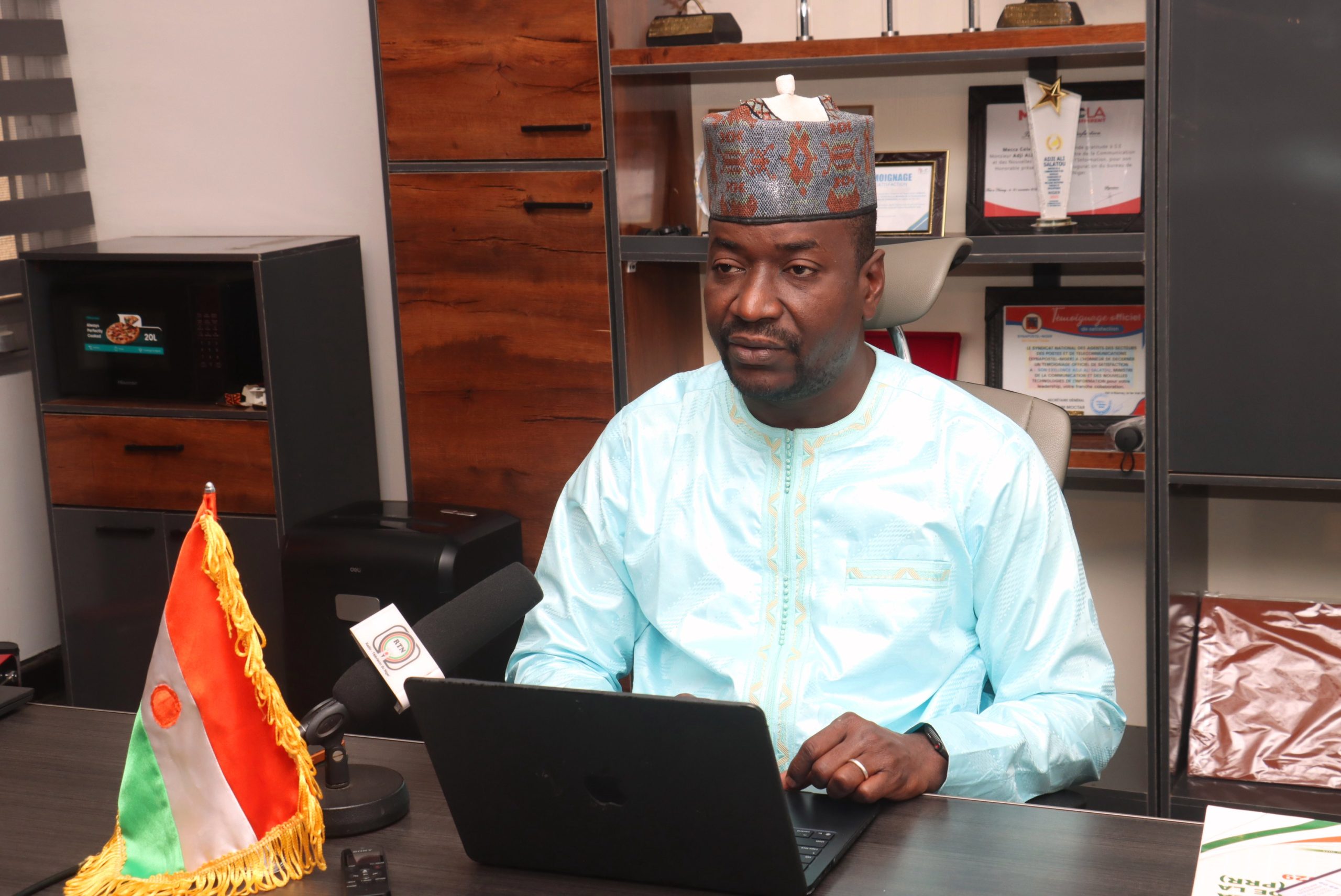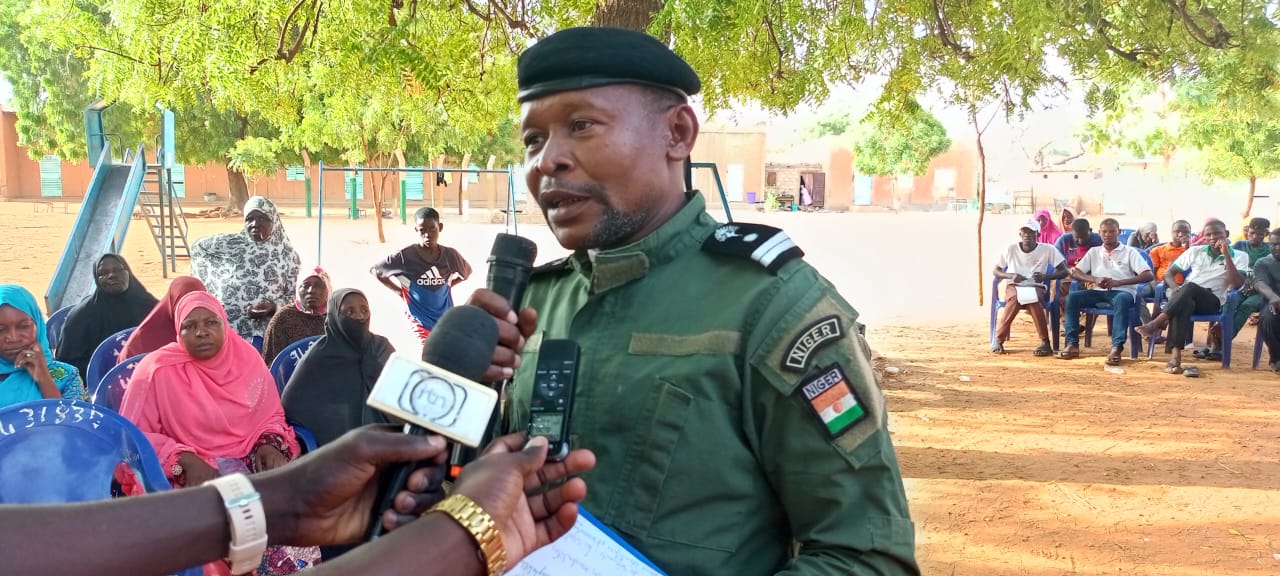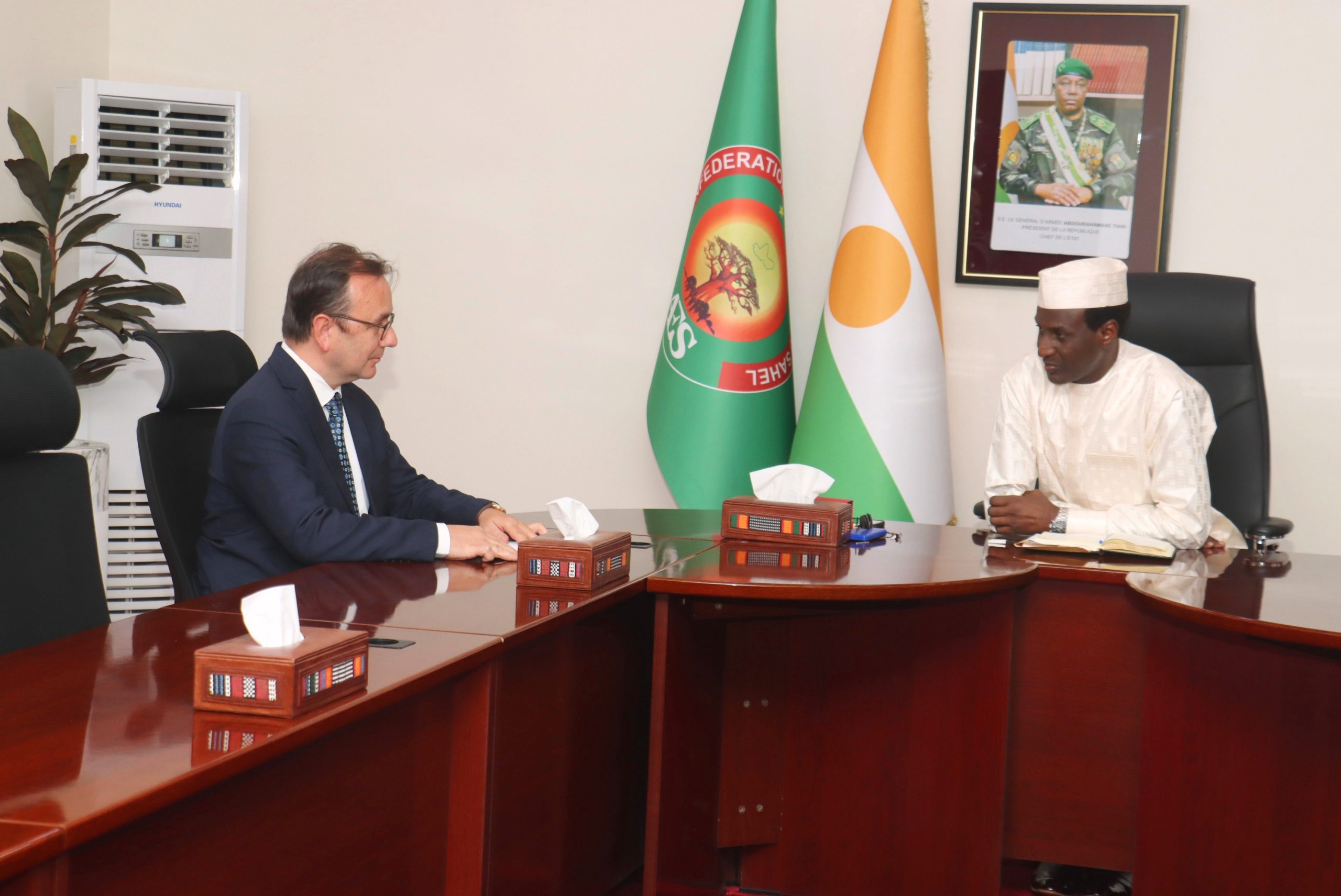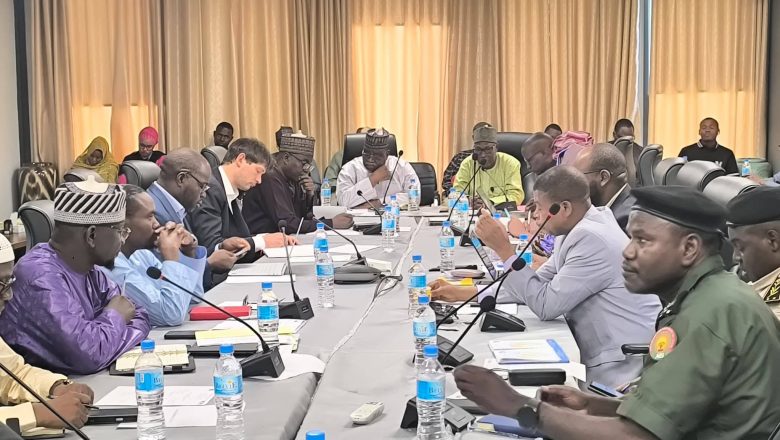
A working meeting took place in Niamey on Wednesday, June 10, 2026, to relaunch the activities of the restructured WURI-Niger project. This significant gathering brought together key stakeholders to show the renewed commitment to the initiative. Representatives from the Ministry of Interior, Public Security and Territorial Administration, the Ministry of Finance, and a World Bank mission visiting Niger attended the meeting, noting the collaborative nature of the project. The secretaries-general of the two concerned ministries, playing a key role, led the official launch ceremony, signaling the government's strong endorsement and direct involvement in the project's resurgence. Their presence emphasized the cross-ministerial importance of the WURI initiative for national development.
Project Goals and Scope
The WURI project aims to strengthen population identification operations and increase the registration of citizens in civil status registers across Niger. This initiative seeks to enhance the reliability and accessibility of official personal records, a foundational element for broader governmental functions and improved public service delivery. The project's core mission is to ensure that every citizen possesses a formally recognized and verifiable identity, which is key for civic participation and access to essential services.
Mastery of legal identity is considered a strategic tool for effective governance, contributing to more accurate development planning, and facilitating regional integration efforts within West Africa. By establishing strong and reliable identification systems, the project is expected to underpin various public services, from healthcare and education to social welfare programs, ensuring that benefits reach the intended recipients. This formal recognition of identity also supports economic activities by providing a verifiable basis for transactions and formal sector participation, thereby fostering greater financial inclusion. The strengthening of civil status registers is a critical step towards creating a full and trustworthy national identification system.
Key Implementing Partners
The implementation of the WURI project involves several key actors tasked with its operational execution, each bringing specialized expertise to the initiative. Among these entities are the Directorate General of Civil Status, which plays a central role in population identification and registration, serving as the primary custodian of civil records. Technical and digital aspects of the project are supported by the Nigerien Agency for the Information Society (ANSI), responsible for overseeing the digital infrastructure, and the Nigerien Agency for Electronic Certification (ANCE), which ensures the security and authenticity of electronic data and certifications within the system. Additionally, the National Agency for Registration and Identification of Natural Persons (ANEI) is a critical partner, focusing on the practical registration and identification processes for individuals across the country. Oversight regarding data protection falls under the purview of the High Authority for the Protection of Personal Data (HAPDP), ensuring compliance with privacy regulations and safeguarding citizens' personal information throughout the project's activities. These organizations collaborate closely to ensure the successful rollout and sustained operation of the WURI initiative, from technical implementation to data security and legal compliance.
Timeline and Future Outlook
The implementation of the WURI project, initially facing challenges, has been extended to allow for its successful completion and the achievement of its ambitious goals. The World Bank-supported initiative will now continue its operations until July 2027. This extension provides a vital window for further progress in strengthening population identification and civil registration efforts across Niger, building on the recent relaunch of activities in Niamey. The additional time is expected to facilitate the full deployment of resources and strategies required to solidify the project's achievements and ensure its long-term sustainability.
Regional Integration Context
The WURI project in Niger is integrated into the broader West African unique identification program, designed to advance regional integration and inclusion. This initiative aims to standardize and improve identification systems across the region, facilitating cross-border movement and economic activities for citizens within the Economic Community of West African States (ECOWAS) framework. By enhancing the reliability of civil status registers and population identification, Niger's participation contributes significantly to a cohesive regional framework, promoting greater interoperability of identification systems among member states. The program supports the establishment of strong identification infrastructures, which are seen as fundamental for West African development goals and the smooth flow of services and people within the sub-continent, ultimately fostering a more integrated and prosperous region.