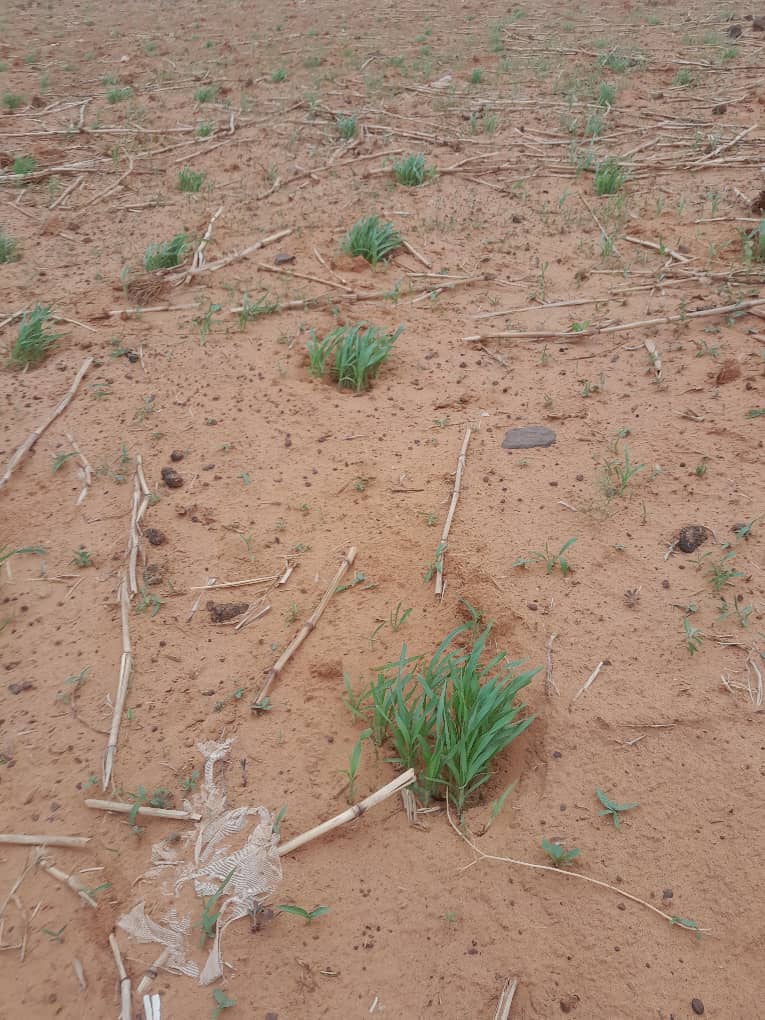
In the Tahoua region of Niger, 534 villages reported completing partial sowing activities during the first ten days of June 2026. This significant progress indicates an acceleration in agricultural preparations for the current season across the area, a development key for the region's food security. The early commencement of these activities is often a positive indicator for the agricultural year ahead, setting a foundational pace for crop development and eventual yields.
Sowing Progress Outpaces Previous Year
The sowing rate recorded in the Tahoua region during the first ten days of June 2026 reached 26.7% of villages. This figure represents a notable and encouraging acceleration in agricultural preparations compared to the previous year. The proactive engagement of local farming communities in this vital first stage of cultivation is evident across the region. To put this year's efforts into perspective, in 2025, during the same early June period, only 368 villages, which constituted 18.47% of the total, had managed to complete partial sowing activities. The substantial increase in both the absolute number of villages and the overall percentage notes a significant uplift in the pace of agricultural work. The current year's progress indicates a marked increase in the number of communities engaged in early planting, demonstrating a widespread commitment to timely agricultural practices. This advancement suggests more favorable conditions, such as earlier rainfall, or improved preparedness and resource management among farmers in the region for the current agricultural season. The earlier start to sowing could potentially have positive implications for crop development and yield prospects, contributing to a more strong agricultural output for the year. This improved performance is a key indicator of the region's agricultural resilience and adaptability.
Regional Sowing Landscape
The Tahoua region encompasses a total of 2000 villages, according to official figures, making the observed sowing progress even more impactful. This extensive network of communities plays a key role in the region's agricultural output, serving as the backbone of its food production system. The collective efforts of these villages contribute significantly to the overall sowing progress reported in early June, showing the widespread nature of the agricultural endeavors. Understanding the total number of villages provides essential context for the percentages and raw figures released regarding agricultural activities, allowing for a full assessment of the situation. The progress observed in the first ten days of June reflects the aggregated efforts across this broad geographical and communal landscape, indicating a coordinated and widespread agricultural push. The advancement in sowing activities, covering a substantial portion of these 2000 villages, indicates a widespread engagement in agricultural preparations, which is vital for regional food supplies. This regional overview notes the scale of the agricultural operations and the collective impact of local farming communities on the overall seasonal outlook for Tahoua, emphasizing the importance of every village's contribution. The data on sowing progress is thus evaluated against the background of all 2000 villages, providing a full picture of agricultural readiness and the collective efforts driving it.
Context and Outlook
The agricultural activities observed in early June across the Tahoua region are key for the annual food security outlook, directly impacting the livelihoods of thousands. The initial pace of sowing often sets expectations for the entire harvest season, influencing market dynamics, commodity prices, and food availability for communities across Niger. Continued monitoring of rainfall patterns and planting progress will be essential in assessing the potential for a successful agricultural year, as these factors are highly interdependent. Officials in Tahoua maintain a close watch on these developments, given the region's significant reliance on rain-fed agriculture and its inherent vulnerabilities to climatic variations. The early June figures provide an initial benchmark against which future progress will be measured, offering an early indication of the season's potential trajectory. This period is critical for establishing crops, and sustained positive trends throughout the growing cycle are vital for rural livelihoods and economic stability. The current outlook suggests a foundation for optimistic projections, assuming favorable weather conditions persist throughout the key growing season, which would further bolster food security in the region.