SAFEM, the Salon de l'Artisanat Féminin du Mali (Malian Women's Handicraft Fair), generated over 1.1 billion FCFA in revenue during its most recent edition. This substantial financial achievement shows the fair's growing economic clout and its vital role in the national economy. The event, which showcases products from female artisans, contributed significantly to the local economy, creating direct financial benefits for hundreds of women and their communities. This impressive financial performance notes the economic impact of the fair in promoting women's entrepreneurship and traditional craftsmanship in Mali, fostering a vibrant ecosystem for cultural and economic exchange. The revenue figure shows SAFEM's role in supporting livelihoods and fostering economic development within the region's artisan sector, demonstrating a successful model for sustainable growth.
SAFEM's Record Revenue Explained
SAFEM, the Salon de l'Artisanat Féminin du Mali, achieved a revenue exceeding 1.1 billion FCFA during its recent edition, marking a significant economic contribution to the nation. This figure not only represents a substantial financial intake but also signifies the strong demand for Malian artisanal products and the entrepreneurial spirit of the women who create them. The fair serves as a vital platform for female artisans, showcasing their products and fostering entrepreneurship across Mali, thereby empowering women economically and culturally. This financial performance shows the event's growing influence within the local economy and its role in promoting traditional craftsmanship, which is deeply embedded in Malian culture and heritage. The revenue figure notes SAFEM's capacity to support livelihoods and contribute to economic development within the region's artisan sector, providing a direct and measurable impact on participants' incomes and well-being.
The success of the event is attributed to both increased participation from artisans and an expanded market access for the diverse products involved. The fair drew a larger number of female entrepreneurs from various regions of Mali, each bringing their unique skills and traditional crafts to a wider audience. Organizers focused on enhancing the visibility of diverse Malian handicraft products, ranging from intricate textiles and vibrant pottery to exquisite jewelry and durable leather goods, ensuring a broad representation of the country's rich artistic traditions. These efforts aimed to attract a broader consumer base and highlight the high quality and cultural significance of the items on display. The fair attracted a substantial number of visitors, including local consumers eager to support national talent, international buyers seeking authentic cultural products, and institutional partners looking to forge long-term collaborations. This broad engagement facilitated direct transactions between producers and consumers, eliminating intermediaries and ensuring a greater share of the profits for the artisans, thereby maximizing their economic returns.
SAFEM's operational strategy included targeted marketing campaigns designed to highlight the unique cultural heritage embedded in Malian handicrafts. These campaigns utilized various media channels to reach a diverse audience, emphasizing the stories behind the crafts and the women who create them. These efforts aimed to attract a wider audience and to educate consumers about the craftsmanship and cultural significance of the products, fostering a deeper appreciation for Malian artistry. The fair also provided invaluable training workshops and capacity-building sessions for the participating women, focusing on key aspects such as quality control, product development, and business management. These initiatives were intended to enhance the competitiveness of their products in both domestic and international markets, equipping artisans with the skills necessary to thrive in a globalized economy. The emphasis on skill development and market readiness has been a cornerstone of SAFEM's long-term strategy for empowering female artisans.
The Minister of Tourism previously emphasized the government's commitment to supporting initiatives like SAFEM, recognizing its multifaceted contributions to national development. The Minister noted the fair's dual role in preserving Malian cultural identity, ensuring that ancient traditions and artistic techniques are passed down through generations, and empowering women economically by providing them with sustainable income opportunities. Such governmental backing, combined with the dedication of the artisans themselves, has been instrumental in the fair's consistent growth and its ability to generate substantial revenue year after year. This strategic alignment between government policy and grassroots entrepreneurship has created a powerful synergy. The sustained economic impact of SAFEM reflects a successful model for fostering self-sufficiency and economic independence among women in the handicraft sector, serving as an inspiration for similar initiatives. Its continued expansion is anticipated to further strengthen the artisan economy and provide ongoing opportunities for female entrepreneurs throughout Mali, contributing significantly to national prosperity.
Context and Significance of SAFEM
The Salon de l'Artisanat Féminin du Mali (SAFEM) stands as a key event for women artisans across the nation, serving as a critical platform for economic empowerment and cultural preservation. For many years, SAFEM has been a beacon of opportunity, fostering a sense of community and shared purpose among its participants. Established to promote the rich tapestry of Malian handicrafts, the fair brings together female entrepreneurs from various regions, offering them a direct conduit to market their products and connect with a broader audience. This annual gathering is more than just a marketplace; it functions as a full ecosystem designed to uplift women in the artisan sector by providing visibility, fostering skill development, and facilitating direct sales, thereby creating a sustainable pathway to economic independence. The sustained growth and increasing revenue generation of SAFEM show its deep-seated significance within Mali's economic and social fabric, demonstrating its vital role in national development.
Central to SAFEM's mission is the economic independence of Malian women, many of whom are the primary income earners for their families. Many participants are sole proprietors or heads of small cooperatives, relying significantly on the fair to generate a substantial portion of their annual income, which directly impacts their families' well-being and access to education and healthcare. The event showcases a diverse array of products, including traditional textiles woven with intricate patterns, pottery crafted from local clays, finely detailed jewelry, high-quality leather goods, and expertly woven basketry, each reflecting the unique cultural heritage and craftsmanship of different Malian communities. By creating a direct link between producers and consumers, SAFEM helps artisans bypass intermediaries, ensuring they retain a larger share of the profits from their labor, which is key for reinvestment in their businesses and personal growth. This direct engagement empowers women by recognizing their skills and providing tangible financial returns for their artistic endeavors, fostering a sense of pride and self-worth.
SAFEM's impact extends beyond individual artisans to contribute significantly to the broader national economy, creating ripple effects across various sectors. The fair attracts both local and international buyers, stimulating trade, encouraging cultural exchange, and fostering an appreciation for Malian traditional arts on a wider scale, positioning Mali as a hub for authentic craftsmanship. Its success demonstrates the potential for cultural industries to drive economic development, particularly in sectors where women play a predominant role, showcasing their entrepreneurial capabilities. The Minister of Tourism, whose portfolio often intersects with cultural promotion and economic development, has previously acknowledged the fair's importance, recognizing its strategic value. Such governmental recognition notes the strategic role SAFEM plays in aligning economic growth with cultural heritage, positioning it as a model for sustainable development that respects and leverages local traditions. The fair also contributes to Mali's image on the global stage, attracting cultural tourism and investment.
Beyond commerce, SAFEM plays a key role in the preservation and transmission of traditional Malian crafts, ensuring that ancient techniques and knowledge are not lost. By providing a platform for these skills to be showcased and valued, it encourages younger generations to engage with and learn ancestral techniques, thereby safeguarding cultural heritage for the future. Workshops and training sessions often accompany the fair, focusing on enhancing product quality, promoting design innovation, and improving business management skills, all essential for adapting traditional products to contemporary market demands without compromising authenticity. These capacity-building initiatives are vital for ensuring the long-term viability of the handicraft sector and for adapting traditional products to contemporary market demands without compromising authenticity, allowing artisans to remain competitive. The fair fosters a strong sense of community among artisans, enabling them to share knowledge, experiences, and best practices, creating a supportive network.
The continued expansion of SAFEM is anticipated to further strengthen the artisan economy and provide ongoing opportunities for female entrepreneurs throughout Mali, reaching even more remote communities. Its ability to consistently generate substantial revenue, as evidenced by its recent performance of over 1.1 billion FCFA, solidifies its position as a cornerstone for women's economic empowerment in the country. The fair's success is a testament to the resilience and creativity of Malian women, transforming their traditional skills into a significant driver of national economic prosperity and cultural pride, making a tangible difference in their lives and the nation's development.
Minister's Statement and Future Outlook
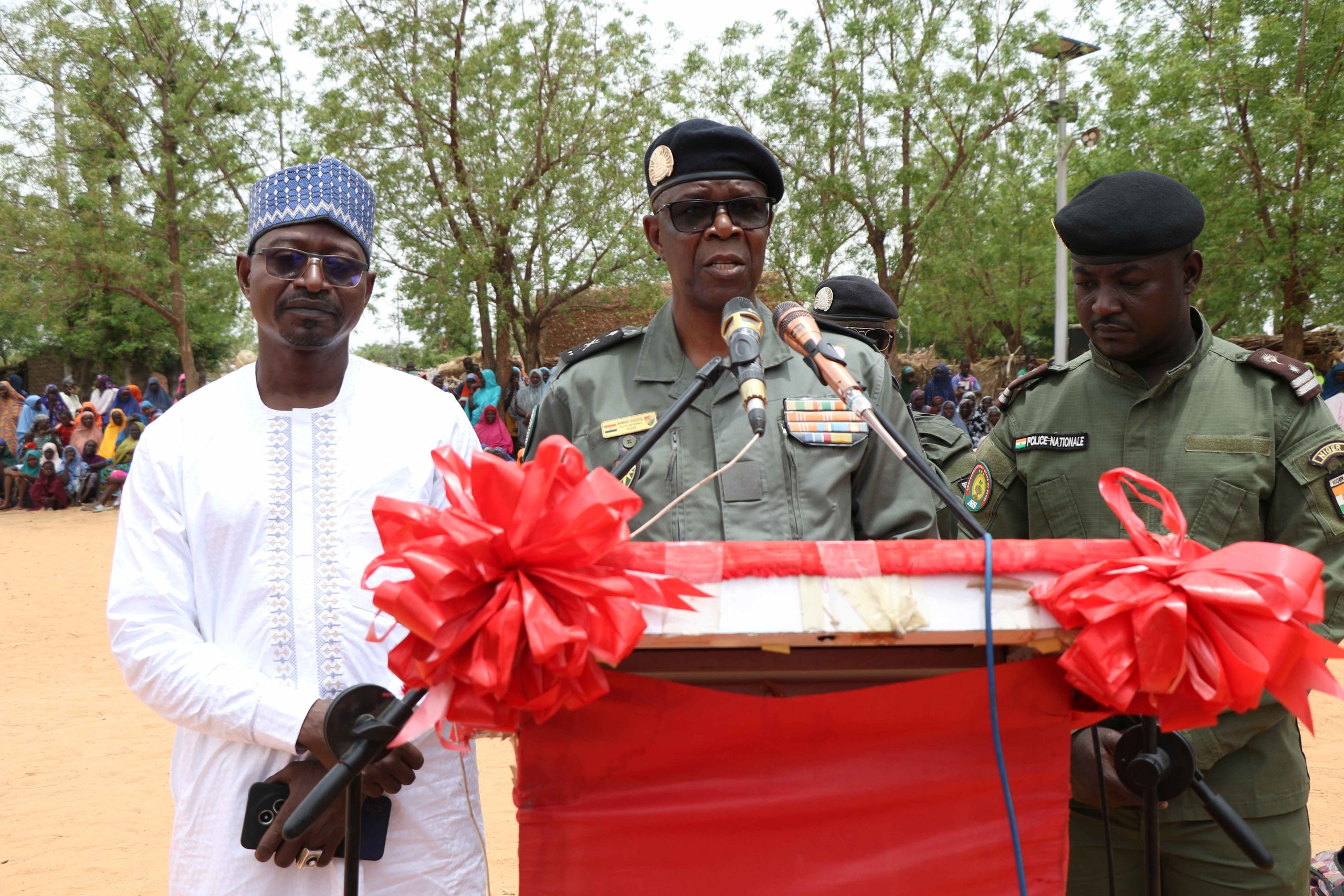
The Minister of Tourism has consistently emphasized the Malian government's unwavering commitment to supporting initiatives such as the Salon de l'Artisanat Féminin du Mali (SAFEM). This consistent support reflects a broader national strategy to invest in cultural industries and empower women. The Minister has noted the fair's dual role in preserving Malian cultural identity, ensuring the continuity of rich artistic traditions, while simultaneously empowering women economically by providing them with platforms for income generation and skill development. This governmental backing, combined with the tireless dedication and exceptional talent of the participating artisans, has been instrumental in SAFEM's consistent growth and its remarkable ability to generate substantial revenue, year after year. The synergy between government policy and grassroots entrepreneurship has proven to be a powerful catalyst for success.
The sustained economic impact of SAFEM reflects a successful model for fostering self-sufficiency and economic independence among women working within the handicraft sector, serving as a blueprint for other development initiatives. Its continued expansion is anticipated to further strengthen the artisan economy across Mali, reaching into new regions and supporting a greater number of female entrepreneurs. The fair aims to provide ongoing opportunities for female entrepreneurs throughout the country, offering them a reliable market and essential business skills. SAFEM's approach aligns with broader national strategies focused on leveraging cultural assets for economic development and promoting gender equality through entrepreneurship, recognizing the invaluable contributions of women to the national economy. The ongoing support from the Ministry of Tourism signals a long-term vision for the fair's key role in Mali's economic landscape, indicating a commitment to its sustained growth and influence. This commitment ensures that SAFEM will continue to be a vital force for economic and social development, empowering women and preserving Malian heritage for generations to come. The success of SAFEM, marked by its generation of over 1.1 billion FCFA in revenue, is a testament to the power of targeted support and the incredible potential of Malian women entrepreneurs.