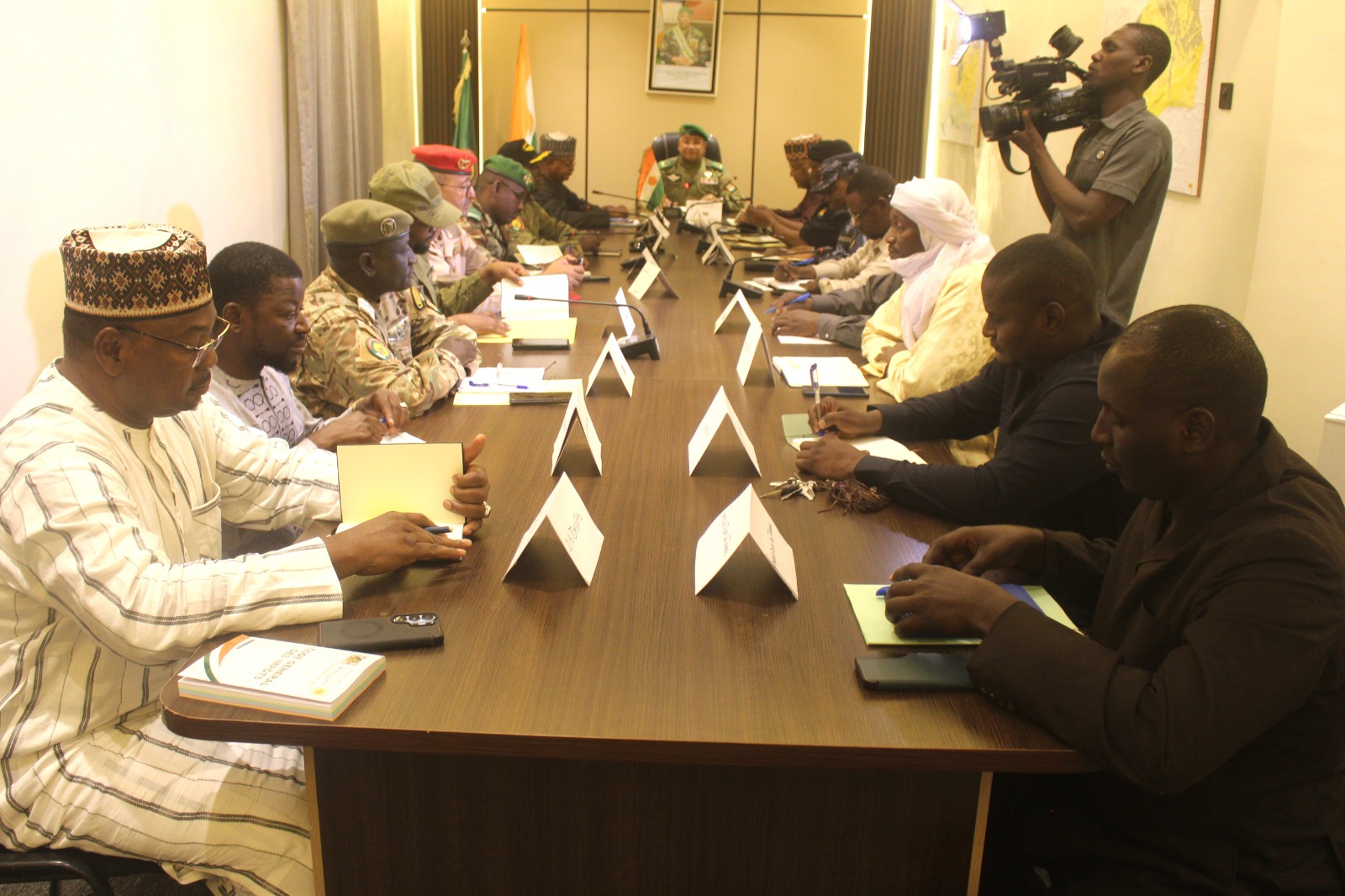
A training workshop focused on public procurement was recently held in Dosso, addressing key areas for improving governance in the sector. This significant event, dedicated to strengthening the integrity of public spending, brought together various stakeholders to deliberate on key aspects of the procurement process. The event facilitated discussions centered on enhancing probity, upholding ethical standards, and implementing effective risk prevention strategies within public procurement processes. Participants engaged in debates designed to strengthen accountability and transparency in the allocation of public contracts, aiming to foster a more strong and trustworthy system for managing public funds. The workshop served as a vital platform for sharing knowledge and best practices, showing the commitment of local authorities to combat corruption and promote good governance.
Workshop Objectives and Content
The workshop in Dosso was designed to equip participants with the knowledge and tools necessary to enhance integrity and transparency in public procurement. It aimed to strengthen the capacity of actors involved in the procurement chain, fostering a culture of accountability and good governance. The content covered various aspects of public procurement, including the legal and regulatory framework governing such processes, both at national and local levels. Understanding these foundational elements is critical for ensuring compliance and preventing irregularities. The full program delved into the intricacies of procurement cycles, from initial planning to contract closure, providing a holistic view of the challenges and opportunities for improvement.
Key objectives of the training included sensitizing participants to the principles of ethical conduct and probity in the execution of public contracts. These principles are not merely abstract concepts but practical guidelines for ensuring fairness and preventing conflicts of interest. Discussions focused on identifying potential risks of fraud and corruption within procurement cycles and developing effective prevention mechanisms. Participants were encouraged to think critically about common vulnerabilities and to propose innovative solutions tailored to the local context. The program also addressed the importance of internal control systems and external oversight in ensuring compliance with established procedures. Strong internal controls act as the first line of defense against malfeasance, while independent oversight provides an essential layer of scrutiny and accountability.
Participants reviewed best practices for tender preparation, evaluation, and contract management, emphasizing fairness, competition, and value for money. The sessions incorporated case studies and practical exercises to illustrate common challenges and demonstrate solutions for mitigating irregularities. These hands-on approaches allowed participants to apply theoretical knowledge to real-world scenarios, enhancing their practical skills. Particular attention was given to the roles and responsibilities of different stakeholders, from contracting authorities to bidders and oversight bodies. Understanding these distinct roles is key for effective coordination and for pinpointing areas where collaboration can be improved. The workshop sought to promote a shared understanding of the collective effort required to safeguard public resources and improve the efficiency of government spending. It also showed the necessity of strong monitoring and evaluation frameworks to track progress and identify areas for continuous improvement in public procurement practices within the Dosso region. This continuous feedback loop is essential for adapting strategies and ensuring long-term success in maintaining procurement integrity. The debates and practical sessions reinforced the idea that integrity is a shared responsibility, requiring vigilance and commitment from all parties involved in public contracting.
The Critical Role of Ethical Procurement
Ethical considerations form the foundation of efficient and trustworthy public procurement systems, as noted by discussions in Dosso. Public procurement, which involves the acquisition of goods, works, and services by public authorities, is a significant component of government expenditure, often representing a substantial portion of national budgets. The integrity of these processes is essential for ensuring that public funds are utilized effectively and transparently, directly impacting the quality of public services and infrastructure. Without a strong ethical framework, procurement systems can become vulnerable to corruption, inefficiency, and a loss of public trust, leading to suboptimal outcomes for citizens. The workshop emphasized that ethics are not an optional add-on but an intrinsic requirement for any credible procurement system.
A commitment to ethical procurement practices helps to prevent conflicts of interest and promotes fair competition among suppliers. When procurement officials adhere to strict codes of conduct, they ensure that decisions are based on merit, value for money, and the best interests of the public, rather than personal gain or undue influence. This approach fosters an environment where all eligible bidders have an equal opportunity, leading to better quality services and products at competitive prices for the state. Such an environment encourages innovation and attracts a wider pool of competent suppliers, ultimately benefiting the public purse. Conversely, a lack of ethical oversight can result in inflated costs, substandard deliverables, and the misallocation of resources that could otherwise be directed towards essential public services, thereby undermining development efforts. The workshop debates thoroughly explored these dynamics, providing participants with concrete strategies to uphold ethical standards.
The emphasis on ethical procurement extends beyond simple compliance with rules; it cultivates a culture of accountability that permeates through the entire public administration. Officials involved in the procurement chain are expected to act with probity, impartiality, and transparency at every stage, from needs assessment and tender preparation to contract award and management. This includes the rigorous application of anti-corruption measures and the establishment of clear mechanisms for reporting and investigating irregularities. Such measures are vital for safeguarding public finances and upholding the credibility of government institutions, both domestically and internationally. The discussions in Dosso noted that building this culture requires ongoing training, clear communication of expectations, and consistent enforcement of ethical guidelines. It’s about fostering an environment where ethical behavior is the norm and unethical practices are swiftly addressed.
The long-term impact of ethical procurement on development is substantial. By minimizing waste and fraud, governments can maximize the value derived from public spending, allowing for greater investment in infrastructure, education, and health services. This directly contributes to economic growth and improved living standards for citizens, creating a virtuous cycle of development. Discussions in Dosso showed that fostering an ethical environment in public procurement is not merely a regulatory requirement but a strategic imperative for good governance and sustainable development in the region. It ensures that public resources genuinely serve the public good, translating into tangible benefits for communities and fostering greater trust between the government and its citizens. The workshop provided a strong platform for participants to internalize these critical connections between ethical procurement and broader societal progress.
Risk Prevention Strategies Discussed
Discussions at the Dosso workshop focused intently on identifying and mitigating risks associated with public procurement processes. Participants examined various vulnerabilities within the procurement cycle, ranging from the initial planning stages, where needs are defined and budgets allocated, to contract execution and oversight, where delivery and performance are monitored. The sessions emphasized the importance of developing strong internal control mechanisms to detect and prevent potential irregularities, recognizing that proactive measures are far more effective than reactive ones. This involved a detailed analysis of common pitfalls and the exploration of best practices in risk management.
Strategies for risk prevention included the implementation of clear, standardized procedures for all procurement activities. This involves establishing transparent criteria for tender evaluation, ensuring fair competition among bidders, and rigorously verifying the credentials and capacities of potential suppliers. Standardization reduces discretion and creates a level playing field, minimizing opportunities for biased decisions. Attention was also given to the role of technology in enhancing transparency and reducing opportunities for fraud, such as through digitized procurement platforms. E-procurement systems, for instance, can automate processes, track transactions, and provide audit trails, significantly increasing accountability and efficiency. The workshop explored how such technological solutions could be adapted and implemented in the Dosso context.
The workshop noted the necessity of proactive measures to address conflicts of interest and undue influence, which are widespread risks in procurement. Participants explored methods for disclosure of potential conflicts, as well as the establishment of strict ethical guidelines for all personnel involved in procurement. This includes not only procurement officers but also technical evaluators, legal advisors, and decision-makers. Training programs like the one held in Dosso are considered key for raising awareness among public officials about their responsibilities in safeguarding public funds and for equipping them with the tools to identify and manage such conflicts effectively. The debates frequently returned to the practical application of these principles in daily operations.
Participants reviewed the benefits of independent oversight bodies and audit mechanisms as critical components of a full risk prevention framework. External scrutiny helps ensure adherence to regulations and promotes accountability by providing an impartial assessment of procurement activities. The discussions showed that an effective strategy involves not only preventing fraudulent activities but also fostering a culture of integrity that discourages unethical practices at every level of the procurement chain in Dosso. This holistic approach to risk management, combining internal controls, technological solutions, ethical guidelines, and external oversight, is essential for building a resilient and trustworthy public procurement system. The workshop provided a detailed roadmap for implementing these strategies, ensuring that participants left with actionable insights.
Broader Implications for Governance
The discussions and outcomes of the public procurement integrity workshop in Dosso extend beyond the immediate scope of contract management, posing broader implications for the region’s governance framework. Strengthening integrity in public procurement directly contributes to enhancing public trust in government institutions. When procurement processes are transparent, fair, and free from corruption, citizens are more likely to perceive their government as accountable and effective, which can foster greater civic engagement and support for public initiatives. This increased trust is fundamental for social cohesion and political stability, creating a more conducive environment for policy implementation and community development.
Improved procurement practices also lead to more efficient use of public funds. By minimizing waste, fraud, and misallocation of resources, governments can redirect savings towards essential public services such as education, healthcare, and infrastructure development. This strategic allocation of resources can drive economic growth and improve living standards for the population in Dosso, directly addressing pressing societal needs. A commitment to ethical procurement signals a broader dedication to good governance, potentially attracting foreign investment and strengthening international partnerships that value transparency and accountability. International partners are often more willing to engage with governments that demonstrate a clear commitment to integrity in their financial dealings, opening doors for further development aid and economic cooperation.
The workshop's focus on risk prevention and ethical conduct establishes a precedent for similar initiatives across other governmental sectors, promoting a systemic approach to integrity. The principles and strategies discussed in the context of procurement can be adapted and applied to other areas of public administration, fostering a more ethical and accountable government overall. This ripple effect can lead to a more effective and responsive public sector, ultimately benefiting all citizens. The public procurement integrity workshop in Dosso thus represents a significant step towards reinforcing good governance, enhancing public service delivery, and building a more prosperous and equitable future for the region. The lessons learned and commitments made during these sessions are expected to have a lasting positive impact on the administrative landscape of Dosso and potentially inspire similar reforms nationwide.