Niger's Minister of Commerce and Industry, Abdoulaye Seydou, toured local industrial units on Tuesday, July 14, to translate ambitions for local production into tangible outcomes. The visits included Sahel Agro Ingénierie and the mineral water production facilities Benie and Belvie. During these engagements, Abdoulaye Seydou reiterated the government's priorities, which include ensuring products adhere to international quality standards, maintaining transparent pricing, and actively supporting industrial development to achieve economic autonomy for Niger. This initiative shows the government's commitment to fostering a strong domestic industrial base and reducing reliance on external markets. Minister Seydou's aim is to transform local production ambitions into concrete results through these direct engagements with industrial units.
Focus on Production and Quality
The tour commenced with a visit to Sahel Agro Ingénierie, a company that specializes in the transformation of local agricultural products. This facility is key for the national economy, converting locally sourced groundnuts, sesame, and tiger nuts into edible oils. Sahel Agro Ingénierie currently produces approximately 1,000 liters of oil per day. Authorities aim to increase Sahel Agro Ingénierie's output to gradually reduce Niger's dependence on imported edible oils, thereby strengthening food security and local value chains.
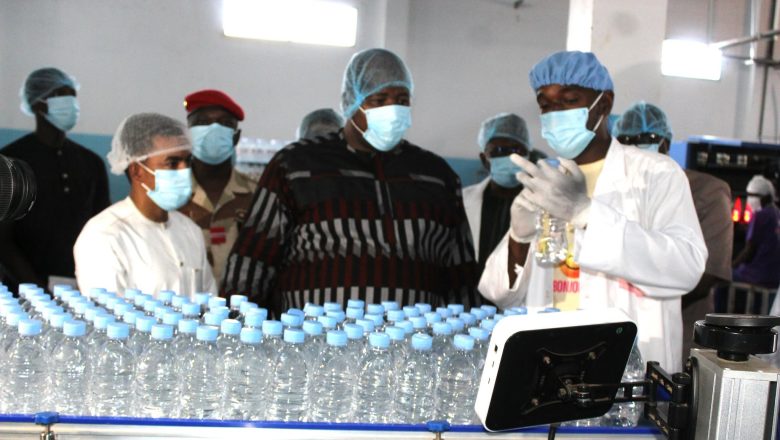
Following this, the minister's delegation visited the mineral water production facilities, Benie and Belvie. At these sites, Abdoulaye Seydou observed the entire manufacturing process, from initial water treatment to the final bottling stages. A particular focus was placed on ensuring stringent sanitary standards, upholding industrial quality, and implementing strong control measures throughout the production line. Local processing is considered a key driver for added value within the economy. This approach aims to reduce import costs and consolidate national economic sovereignty by encouraging domestic production and consumption. The minister emphasized the importance of these local industries in creating jobs and fostering economic growth within the country.
Addressing Industrial Challenges
Discussions during the tour noted recurring challenges within Niger's industrial sector. These issues included persistent energy constraints, which can impede production capacity and increase operational costs for businesses. Logistical difficulties, such as transportation and supply chain inefficiencies, also present significant hurdles. The ongoing need for substantial investment to increase production capacity across various industrial segments was a central theme. These challenges are critical for the government to address to ensure the sustainable growth and competitiveness of Nigerien industries. Abdoulaye Seydou reaffirmed the government's commitment to addressing these obstacles, recognizing their impact on the nation's industrial development goals.
The Minister of Commerce and Industry's latest visits to Sahel Agro Ingénierie, Benie, and Belvie followed a previous ministerial tour of other industrial units conducted less than a week prior. This sequence of visits shows the government's intensified focus on understanding and supporting the industrial sector. These tours provide direct insights into the operational realities and needs of local businesses, allowing the government to tailor its support effectively.
Government's Economic Vision
Economic sovereignty in Niger is now measured at the heart of production chains, according to government statements. This approach moves beyond rhetorical declarations, focusing instead on tangible output and self-sufficiency. The government aims to embed Nigerien industry firmly within its development policies, recognizing its key role in national progress. Officials view local production as a primary engine for economic growth and a key pillar for achieving national independence. This strategy emphasizes strengthening domestic manufacturing capabilities to reduce reliance on external markets and bolster the country's economic self-sufficiency. The government's full vision includes not only supporting existing industries but also creating an environment conducive to the emergence of new enterprises, thereby diversifying the economy and creating more opportunities for the Nigerien populace.