Niger's domestic gas consumption is projected to reach nearly 90,000 tonnes in 2025, indicating a significant increase in energy demand within the country. This anticipated growth comes as authorities in Niger are accelerating reforms aimed at improving the population's access to energy. These reforms are a critical component of the national strategy to ensure that a greater proportion of the populace can benefit from reliable and affordable energy sources. The push for increased energy availability is expected to align with the rising consumption forecasts, ensuring that supply can meet the developing demand across various sectors. The projection of 90,000 tonnes notes a substantial shift in the country's energy landscape, showing the urgency and strategic importance of current government initiatives.
Energy Sovereignty Efforts
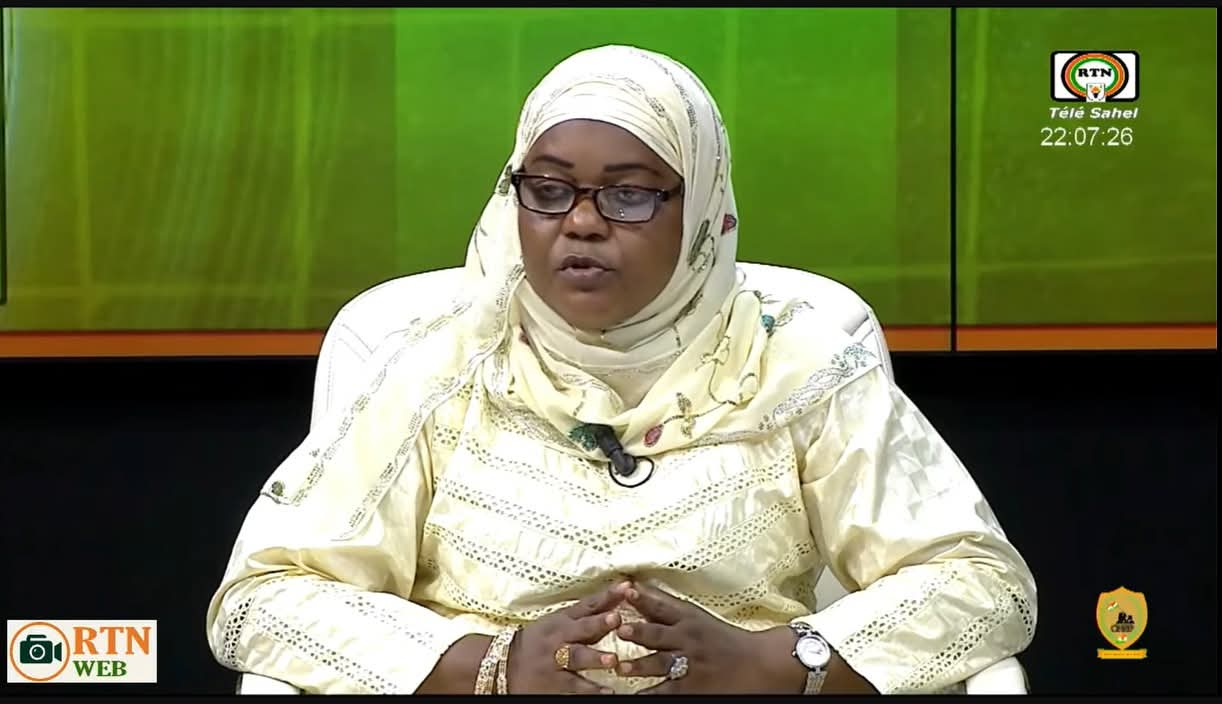
The Minister of Energy, Pr Haoua Amadou, stated on Saturday, June 13, 2026, that the government is continuing its efforts to strengthen Niger's energy sovereignty. These efforts aim to enhance the nation's control over its energy resources and supply, reducing dependence on external sources and fostering greater self-sufficiency. Pr Haoua Amadou also noted that several structuring energy projects are currently in their maturation phase. This phase signifies that these projects are advancing from planning and conceptualization to detailed design, financing, and initial implementation stages, moving closer to operational readiness. These projects are expected to contribute significantly to Niger's energy independence and meet the growing domestic demand, providing a strong foundation for future economic development and improved living standards. The government's commitment to these initiatives reflects a long-term vision for a resilient and self-reliant energy sector.
Projected Gas Consumption
The push for increased domestic gas consumption in Niger is supported by ongoing infrastructure development. The Trans-Saharan Gas Pipeline (TSGP) project, a significant initiative for the region, is expected to enhance Niger's capacity for gas distribution and utilization. This pipeline, designed to transport natural gas from Nigeria through Niger to Algeria and ultimately to Europe, includes provisions for domestic off-take points within Niger. These off-take points are strategically planned to ensure that natural gas can be diverted from the main pipeline to serve local communities and industries, directly contributing to domestic supply. Officials anticipate that the TSGP will play a key role in making natural gas more accessible for various sectors, including industrial, commercial, and residential use, across the country. The project aligns with the broader national strategy to diversify energy sources and reduce reliance on traditional fuels, thereby fostering a more sustainable energy mix. The availability of natural gas through such infrastructure is also expected to stimulate economic activity by providing a reliable and cleaner energy source for manufacturing and other industries.
Future Energy Landscape
Efforts to bolster Niger's energy sector involve diversifying production sources and promoting modern cooking energies. These strategic initiatives are designed to reduce reliance on traditional fuels, such as wood and charcoal, which often contribute to deforestation and indoor air pollution. By diversifying energy production, Niger aims to create a more resilient and stable energy supply chain, incorporating renewables and other cleaner sources. The promotion of modern cooking energies, such as LPG and electricity, is a key component of these reforms, directly addressing public health concerns and environmental degradation. These efforts are part of the accelerated reforms to improve the population's access to energy, ensuring that even remote communities can benefit from modern energy solutions. The government aims to broaden the range of energy supplies available to its citizens, moving towards a more sustainable and strong energy mix. This includes fostering the adoption of cleaner and more efficient cooking methods, which aligns with broader national development goals for improved public health and environmental protection. The overall strategy seeks to ensure that Niger’s growing energy demands can be met through a variety of domestic and regional sources, securing long-term supply stability and contributing to national development.