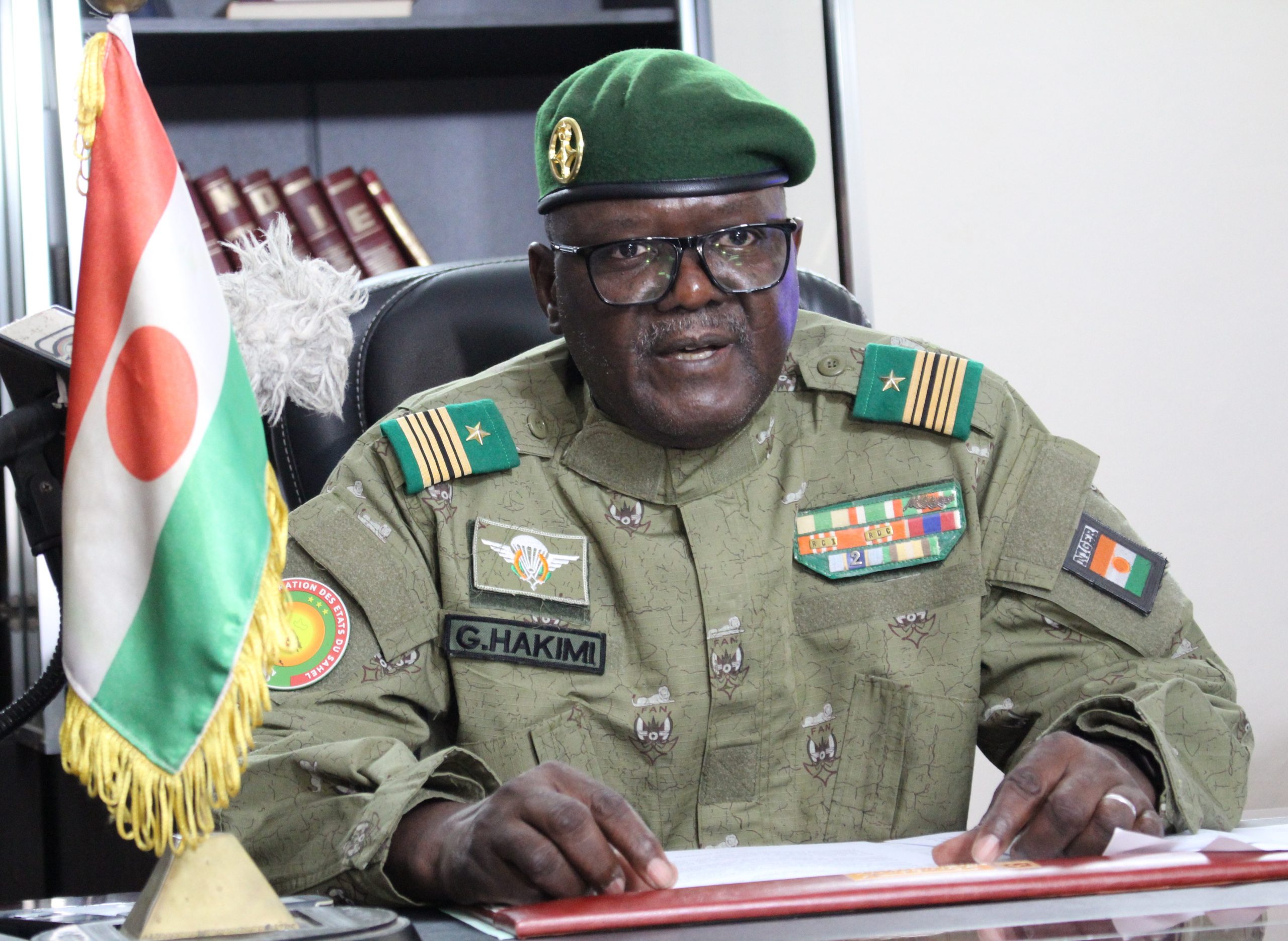
Niger's Minister of Public Health and Public Hygiene, Colonel Major Doctor Garba Hakimi, stated that breastfeeding represents the primary act of protection, health, and development for children. He emphasized that this natural practice is fundamental for ensuring the well-being and optimal growth of infants from their earliest moments. He made this declaration as the nation prepared to celebrate the 2026 World Breastfeeding Week, an international observance dedicated to raising awareness about the benefits of breastfeeding. The international event is observed under the theme 'Breastfeeding for a Sustainable Start in Life: Strengthening What Works', emphasizing its foundational role in child well-being and long-term societal benefits. This theme notes the importance of reinforcing existing successful strategies and expanding their reach to ensure more children benefit from this vital nutritional start. Hakimi's remarks show the ministry's steadfast commitment to promoting practices that ensure optimal early childhood development, recognizing breastfeeding as a cornerstone of public health.
Niger's Breastfeeding Gains
Niger has seen significant progress in exclusive breastfeeding rates, according to recent data, reflecting dedicated efforts by health authorities and communities. The prevalence of exclusive breastfeeding across the nation rose from 21.8% in 2022 to 34.1% in 2025. This substantial increase indicates a positive trend in maternal and child health practices within the country, demonstrating a growing acceptance and implementation of recommended infant feeding guidelines. The data notes the profound impact of public health initiatives aimed at promoting breastfeeding, including educational campaigns and support programs for new mothers. Such gains are considered vital for child development and contribute to broader health outcomes, aligning with the Ministry of Public Health and Public Hygiene's objectives to reduce infant mortality and morbidity. The consistent rise in these figures shows the effectiveness of current strategies and the potential for further improvements in infant nutrition, paving the way for healthier future generations.
Global Goals and Challenges
The World Health Assembly has established a global target of 50% for exclusive breastfeeding, a benchmark that serves as a key indicator for child health and nutrition worldwide. This target reflects a collective international commitment to improving infant feeding practices. A revised global objective further aims to achieve at least 60% exclusive breastfeeding by 2030. This updated goal reflects an increased international focus on improving infant feeding practices to enhance child development and reduce mortality rates, acknowledging the profound impact of breastfeeding on lifelong health. Achieving these ambitious targets requires concerted efforts from governments, healthcare providers, and communities globally. Meeting these global objectives necessitates sustained public health efforts and strong community support for mothers and infants, ensuring they have the resources and knowledge to practice exclusive breastfeeding.
The continuation of breastfeeding up to two years currently stands at 36.7% in Niger. This figure reflects the proportion of children who continue to receive breast milk alongside complementary foods beyond the initial exclusive breastfeeding period, indicating a sustained commitment to this practice among a significant portion of the population. Despite these positive trends, challenges persist in achieving optimal breastfeeding practices. Many infants under six months of age still receive other liquids or foods, such as water, which hinders the achievement of exclusive breastfeeding and increases infants' vulnerability to various health issues. The introduction of additional substances before six months can dilute nutrient intake, potentially interfere with the absorption of essential nutrients from breast milk, and expose infants to contaminants, undermining the numerous benefits of breast milk. Addressing these practices through continued education and support remains a key priority for public health efforts in Niger.