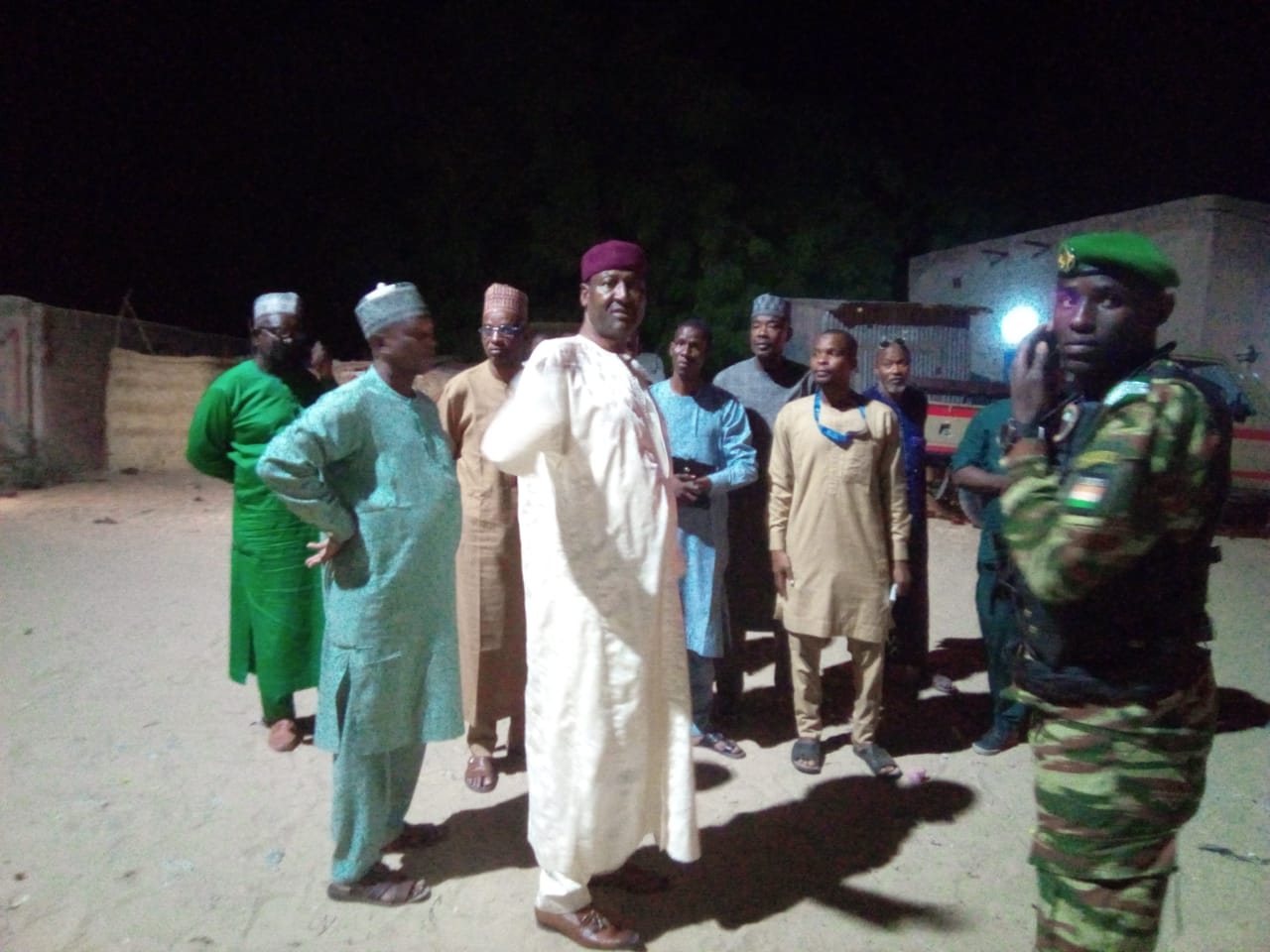
Nigerien officials stated on Monday, May 4, 2026, during an interview granted to RTN, that water represents Niger's primary subsoil resource, showing its fundamental importance to the nation's well-being and development. The discussion also covered the nation's significant uranium reserves, noting their strategic economic value. SOMAÏR is actively exploiting deposits, playing a key role in the country's uranium production. Key uranium sites mentioned include Imouraren and Madaouela, both recognized for their substantial reserves and operational significance. Additionally, the Niger Mining Company is currently engaged in developing a gold project situated in the Téra zone, further diversifying the country's mineral extraction efforts and contributing to its economic growth. This full approach to resource management reflects Niger's ambition to leverage its natural endowments for national prosperity.
Vast Reserves and Key Minerals
Niger's natural resources are vast and diversified, according to recent assessments, positioning the country as a significant player in the global mineral market. The nation holds substantial uranium reserves, estimated between 350,000 and 500,000 metric tons, making it one of the world's leading sources of this critical energy resource. SOMIDA actively develops these uranium deposits, employing advanced techniques to extract and process the ore. Industrial gold production for the country is managed by Société des Mines du Liptako (SML) at its Samira operation, which is a cornerstone of Niger's gold mining sector. Additionally, SONICHAR exploits coal resources within the Agadez region, contributing significantly to the nation's energy sector and reducing reliance on external sources. These extensive mineral activities highlight Niger's vast subsoil wealth across various key commodities, providing a solid foundation for industrialization and economic independence. The strategic development of these resources is critical for the country's future.
Strategic Economic Development Goals
Niger possesses significant reserves of various minerals beyond uranium and gold, including copper, tin, limestone, and gypsum, according to official reports. These resources are critical for both domestic industries and potential export markets. Cimenteries de Malbaza and Cimenteries de Badaguichiri are actively involved in exploiting the country's limestone and gypsum deposits, which are essential for cement production and the construction sector. Iron reserves are estimated to exceed one billion tons in localities such as Say and Kollo, presenting immense potential for a future domestic steel industry. Ousmane Abarchi serves as the Minister of Mines, overseeing the nation's mineral resource development and strategic planning efforts. His ministry is tasked with maximizing the benefits derived from these resources for the Nigerien people. These resources are viewed as critical components for Niger's long-term economic growth and industrialization initiatives, forming the bedrock of a strong and diversified economy. The government's strategy focuses on responsible extraction and value addition within the country.
Minister's Vision and National Sovereignty
The CNSP and the government aim to convert Niger's mining potential into tangible wealth for its citizens and to assert national sovereignty, according to official statements. This vision emphasizes that the benefits of mineral exploitation should directly improve the living standards of Nigeriens. Gold reserves at the Samira operation are estimated at approximately 2.5 tons, representing a valuable asset for the national treasury. Additionally, the nation's coal reserves are estimated at several tens of millions of tons, providing a secure domestic energy source for decades to come. These mineral resources are seen as fundamental to Niger's economic independence and development objectives, enabling the country to control its destiny and foster sustainable growth. The government's commitment to transforming these natural endowments into prosperity for its people is a central pillar of its national policy.