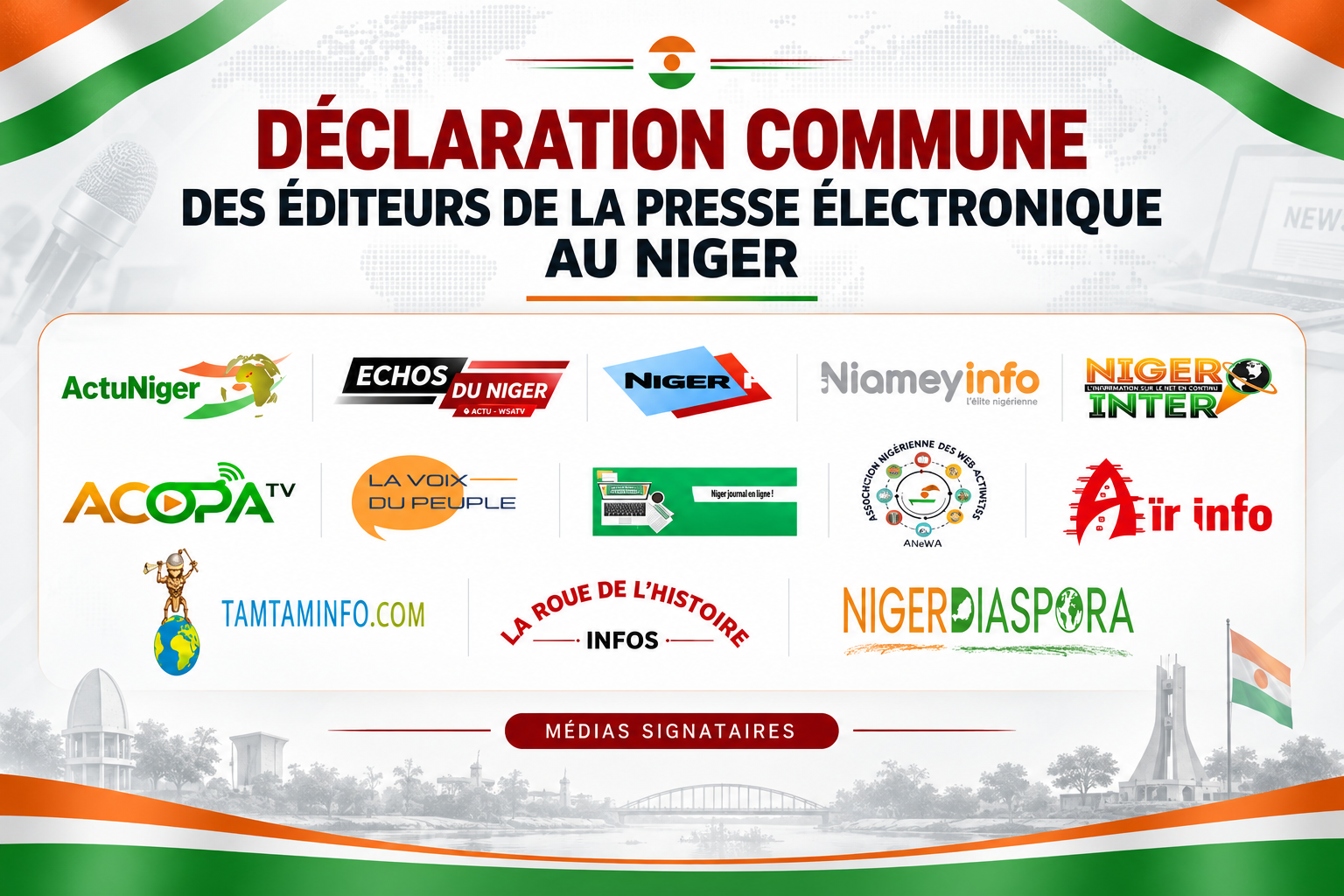
Niger's Government adopted a draft law on Thursday, September 11, that regulates the exercise of electronic press. This key move signals an official step towards establishing a full legal framework for online media operations across the country. The adoption of this draft law is a direct response to the evolving digital landscape and the increasing prominence of online news platforms in Niger. This development is expected to significantly impact various digital news outlets, independent content creators, and citizen journalists operating within Niger's borders. Observers are now keenly awaiting further details on the specific provisions of the new legislation, including its scope, enforcement mechanisms, and its proposed implementation timeline, to understand its full implications for press freedom and digital media development.
New Law's Significance
The Collective of Online Press Editors of Niger views the draft law as a significant move towards formally recognizing and structuring the country's burgeoning online press sector. The organization considers this initiative an important step in recognizing and organizing the online press sector, noting its potential to bring order and clarity to a previously less regulated domain. This development marks an official acknowledgment of the digital media landscape and its increasingly vital role within Niger's broader journalistic community. The Collective's perspective suggests that the new legislation could provide a much-needed framework for online media operations, potentially leading to greater stability, professionalization, and clarity for digital news outlets. By formally integrating online press into the national legal structure, the government is signaling its intent to foster a more accountable and organized digital media environment.
Growing Online Media Landscape
Online media have significantly strengthened their presence in the public sphere in Niger in recent years, becoming an indispensable part of the national discourse. This growth reflects a broader trend of increasing digital content consumption and dissemination within the country, driven by improved internet access and smartphone penetration. The proliferation of online platforms, including news websites, blogs, and social media channels, has provided new avenues for information sharing and public discourse, expanding the reach of news and commentary far beyond traditional outlets. This development has contributed to a more diverse and dynamic media landscape, offering citizens multiple sources of information and analysis on a wide array of topics. The increased visibility and influence of online media show its evolving role in shaping public opinion, facilitating civic engagement, and holding power accountable on critical national issues. The sector's rapid expansion notes its importance as a dynamic and influential component of Niger's communication infrastructure, fostering greater participation in public discussions and debates. This growth also brings with it challenges related to content moderation, disinformation, and journalistic ethics, which the new law aims to address.
Call for Professional Dialogue
The Collective of Online Press Editors of Niger issued a declaration in Niamey on September 13, 2026, just two days after the government's announcement. This announcement followed the government's adoption of a draft law aimed at regulating electronic press, prompting the Collective to articulate its stance and recommendations. The Collective's statement showed the critical importance of further engagement with all relevant stakeholders to refine the legislation before its final enactment. It emphasized the critical need for a collaborative and inclusive approach to ensure the new legal framework effectively supports and organizes the online media sector while simultaneously upholding the fundamental principles of press freedom, editorial independence, and high professional standards. The declaration specifically called for inclusive discussions involving media professionals, civil society organizations, legal experts, and government representatives to shape the implementation of the law. The ultimate aim is to foster a strong, responsible, and free digital media environment in Niger that serves the public interest effectively and sustainably.