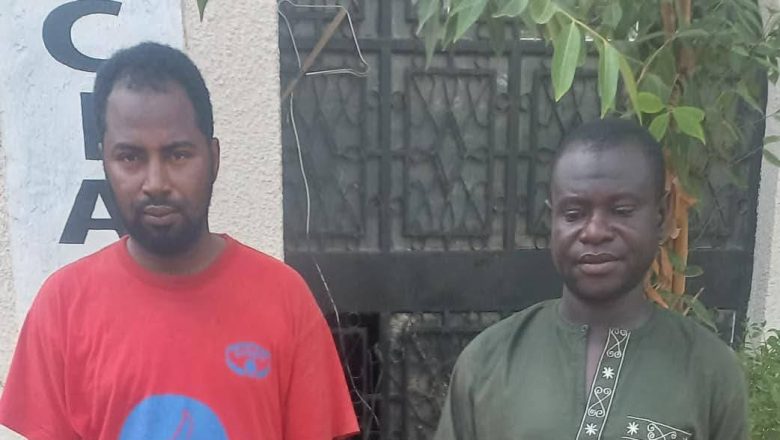
The Central Office for the Repression of Illicit Drug Trafficking (OCRTIS) successfully dismantled a transnational cocaine trafficking network on Friday, June 5, 2026, in Zinder. This significant operation led to the arrest of two individuals directly connected to the illicit network. One of the apprehended suspects was identified as a Nigerian national, confirmed to be residing within Zinder, while the other individual taken into custody was identified as a Beninese national. The arrests mark a key step in disrupting the flow of illegal narcotics through the region and show the commitment of authorities to combat organized crime.
Operation Details and Seizures
The careful operation conducted by the Central Office for the Repression of Illicit Drug Trafficking (OCRTIS) was specifically carried out in the Djaguindi neighborhood of Zinder. During the targeted intervention, authorities made a significant discovery: cocaine ingeniously concealed within bales of second-hand clothing, a method locally referred to as 'Bocho'. Police sources indicated that this particular method of concealment was deliberately employed by the traffickers in an attempt to disguise the illicit substances and evade detection by law enforcement agencies. The use of everyday items like second-hand clothing for smuggling notes the increasingly sophisticated and often deceptive strategies utilized by drug cartels. The investigation into the network's broader activities continues, with further details expected to emerge as the case progresses through the legal system and more information becomes available from interrogations and forensic analysis. This specific method of concealment not only demonstrates the intricate strategies used by drug traffickers to evade detection but also points to a well-organized and resourceful criminal enterprise.
Network's Transnational Route
The cocaine trafficked by the recently dismantled network reportedly followed a complex route, transiting through multiple West African cities before ultimately reaching its intended final destination. According to preliminary findings from the OCRTIS investigation, the illicit drugs first entered the regional trafficking pipeline via Lomé, the bustling capital of Togo. From Lomé, the narcotics then proceeded overland to Niamey, the capital city of Niger, serving as another critical waypoint in the logistical chain. This established route indicates a highly sophisticated logistical chain, meticulously designed to move significant quantities of narcotics across several national borders within the West African region. After successfully passing through Niamey, the network's ultimate intention was for the cocaine to reach Nigeria, noting that country as either a significant end-market for the illicit cargo or a key transit point for further distribution. The involvement of multiple sovereign nations in the transit route unequivocally shows the deeply entrenched and transnational nature of the drug trafficking operation recently disrupted by OCRTIS in Zinder, emphasizing the need for regional cooperation in combating such crimes.
Public Cooperation and Hotlines
The Central Office for the Repression of Illicit Drug Trafficking (OCRTIS) initiated this successful operation based on reliable and actionable information generously provided by the local population. This invaluable public cooperation was absolutely key in identifying, tracking, and ultimately disrupting the sophisticated cocaine trafficking network operating in Zinder. Following the success of this significant intervention, OCRTIS took the opportunity to earnestly urge the public to continue their vigilance and cooperation by reporting any suspicious activities they might observe. The agency specifically invited concerned citizens to transmit vital information regarding illicit drug trafficking by utilizing dedicated hotlines, specifically 8383 and 17. This emphasis on community involvement shows the ongoing and critical need for sustained public vigilance and active participation in combating drug-related crimes, recognizing that law enforcement efforts are significantly bolstered by citizen engagement.
Police Commitment Message
Authorities publicly reported the seizure of a substantial quantity of 920 grams of cocaine during the course of the operation. This significant amount of illicit substance was meticulously confiscated by the Central Office for the Repression of Illicit Drug Trafficking (OCRTIS) in Zinder, adding compelling evidence against the dismantled network and its operatives. The successful seizure and arrests serve as a clear testament to the unwavering commitment of OCRTIS and other law enforcement agencies to relentlessly pursue and dismantle criminal organizations involved in drug trafficking. The authorities reiterated their dedication to ensuring public safety and maintaining the rule of law by actively combating the proliferation of illegal drugs within the country and across its borders.