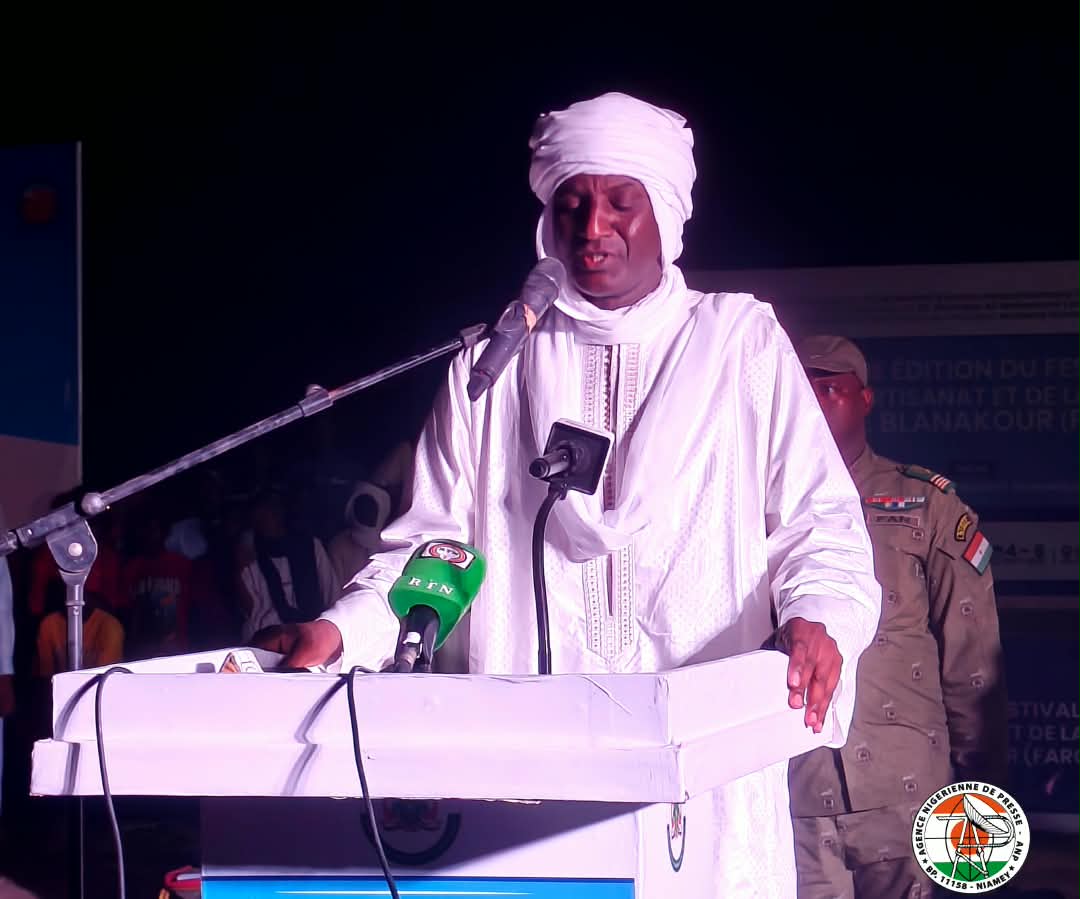
The 3rd edition of the Festival of Crafts and Culture of Blanakour (FARCUB) commenced on Saturday, September 5, 2026, in Blanakour, a town situated within the department of N’Gourti. The event was officially launched by the Prime Minister, who showed the profound significance placed on culture, crafts, and traditional know-how by the nation's highest authorities. This emphasis notes a national commitment to preserving and promoting the country's rich heritage. The festival aims to celebrate and promote local artisanal skills and cultural heritage, serving as a vital platform for cultural expression and economic opportunity. The Prime Minister’s direct participation in the launch ceremony noted the government’s unwavering commitment to supporting these key sectors, which are often central to regional identity, social cohesion, and sustainable economic development. This annual event is designed to bring together a diverse array of artisans and cultural practitioners from across the entire region, fostering exchange and collaboration.
Official Launch Ceremony
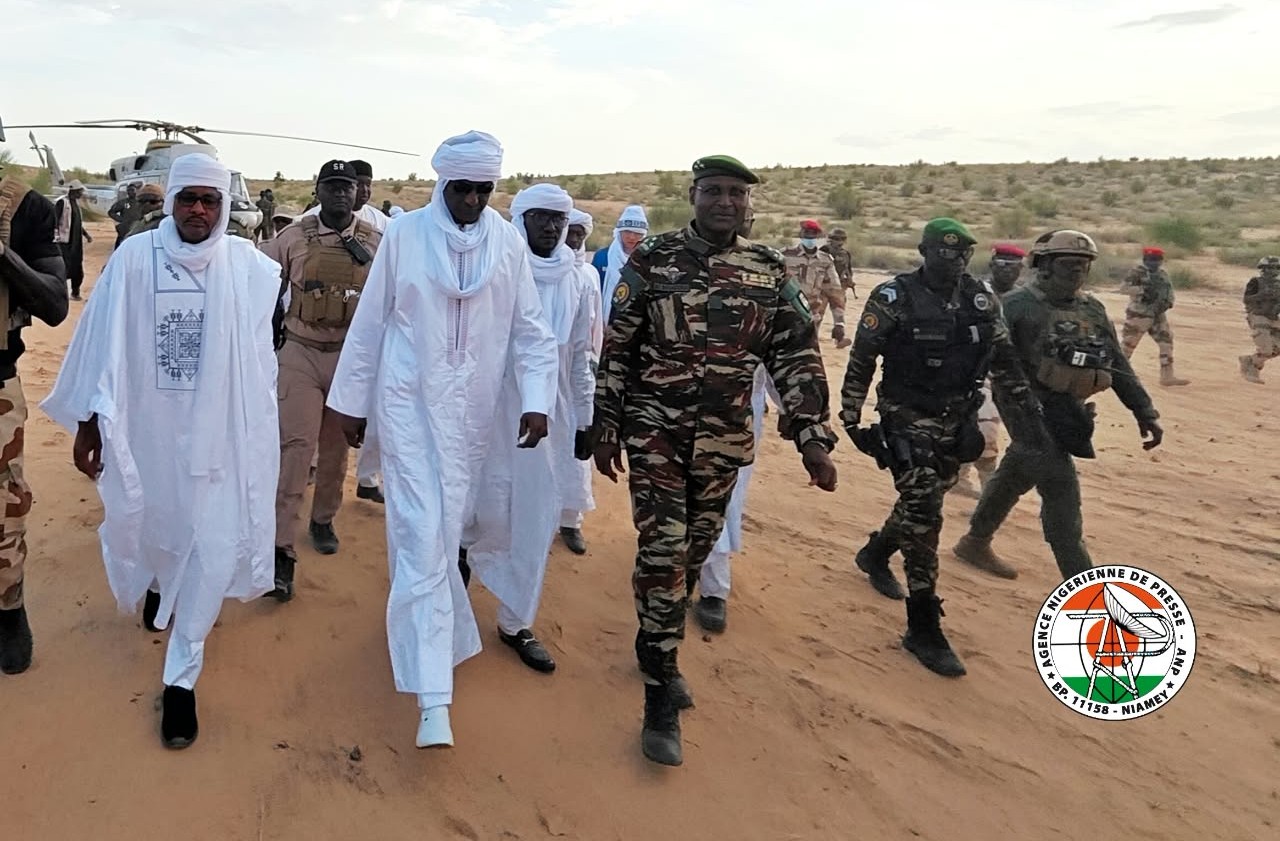
Prime Minister Ali Mahamane Lamine Zeine officially launched the festivities, making his arrival in Blanakour by helicopter in the afternoon. His arrival marked the beginning of the significant cultural event. Upon his arrival, the Prime Minister was warmly welcomed by a distinguished delegation. This delegation comprised key administrative authorities responsible for local governance, respected customary leaders who represent traditional institutions, and diligent security officials ensuring the safety and order of the proceedings. Following the formal reception, Mr. Zeine proceeded to deliver an address directly to the local population gathered for the occasion. His remarks, intended to resonate broadly with the community, were delivered in Hausa, a widely spoken language in the region, ensuring accessibility and direct communication with the attendees.
Festival's Core Message
The Festival of Crafts and Culture of Blanakour (FARCUB) was formally launched in Blanakour, specifically located within the department of N’Gourti, showing its regional importance. During the opening ceremony, Prime Minister Ali Mahamane Lamine Zeine conveyed heartfelt greetings from the President of the Republic, Head of State, General of the Army Abdourahamane Tiani. The Prime Minister's message emphatically emphasized the national leadership's unwavering dedication to preserving and promoting the country's rich cultural heritage and invaluable artisanal skills. He reiterated the importance given by the highest authorities to culture, crafts, and traditional know-how as pillars of national identity and development. The festival itself serves as a dynamic platform to highlight the immense creativity and deep traditional knowledge embedded within the local communities. It aims to foster meaningful cultural exchange among participants and visitors, while simultaneously driving economic development within the region through the promotion of local crafts. The visible presence of high-ranking government officials at the event further showed the government’s steadfast commitment to achieving these multifaceted cultural and economic objectives.
Cultural and Economic Significance
The festival's overarching theme, explicitly stated as "Crafts and culture, factors of economic sovereignty and social cohesion," powerfully notes its dual and interconnected objectives. This theme aims to show the indispensable role of traditional craftsmanship and diverse cultural practices in strengthening national economic independence, thereby fostering self-reliance. Simultaneously, it seeks to promote and reinforce unity within society by celebrating shared heritage and collective identity. This carefully chosen theme reflects the organizers' clear intent to position cultural heritage not merely as a source of national pride and identity but also as a vital and active contributor to the economic well-being and the intricate social fabric of the region. The specific focus on economic sovereignty suggests a strategic emphasis on encouraging local production, fostering self-sufficiency through strong artisanal industries, and creating sustainable livelihoods. This approach effectively aligns the critical goals of cultural preservation with broader national development objectives, positioning traditional arts and crafts as key drivers for a resilient and cohesive future.