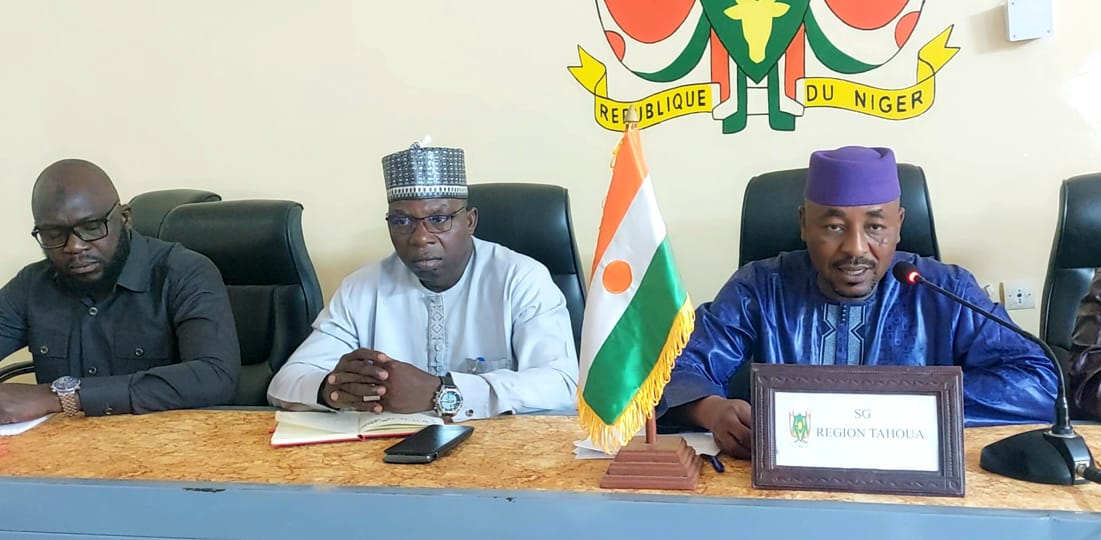
A regional framework for citizen initiatives has been established in Tahoua, aimed at bolstering good governance, according to reports published on July 21, 2026, at 17:53. This significant development shows a commitment to enhancing public participation and administrative transparency within the region. The initiative seeks to empower local populations to actively participate in oversight and accountability processes, thereby strengthening the democratic foundations of local governance. This development represents a structured and deliberate approach to fostering transparency and civic engagement in Tahoua, marking a key step towards more inclusive decision-making. The report detailing this establishment has drew 4 views since its publication, indicating initial interest in these new governance mechanisms.
Purpose of New Framework
The newly established framework is designed to centralize and streamline citizen initiatives within the Tahoua region, facilitating more effective engagement between residents and local governance structures. The objective is to provide a clear and accessible channel for citizens to articulate concerns, propose solutions, and monitor the implementation of public policies and projects. This structured approach aims to enhance transparency and accountability across various sectors of public administration, from resource allocation to service delivery. By formalizing the process for citizen participation, authorities in Tahoua intend to improve the responsiveness of public services and foster a stronger sense of civic ownership in regional development. This initiative aligns with broader efforts to strengthen democratic practices at the local level, ensuring that governance is more reflective of community needs and aspirations. The framework is envisioned as a mechanism to bridge the gap between citizens and their representatives, fostering a collaborative environment for regional progress.
Context in Tahoua
The article focuses specifically on developments within the Tahoua region, detailing the establishment of a new framework for citizen initiatives. This initiative aims to strengthen good governance and enhance civic participation in the area, addressing a critical need for structured public engagement. The full report, which includes this section, has an estimated reading time of 7 minutes, providing a full overview of the framework's objectives, its intended impact on local governance, and the practical mechanisms through which citizens can engage with regional authorities. This detailed analysis is key for understanding the scope and ambition of the initiative. The article also covers the broader implications of this structured approach to transparency and accountability in Tahoua, noting how it is expected to transform the relationship between the government and its constituents. The establishment of this framework is a direct response to the region's commitment to fostering a more participatory and accountable administrative environment.
Expected Governance Impact
The implementation of the regional framework in Tahoua is anticipated to yield significant improvements in local governance and public accountability. Officials expect the structured approach to citizen initiatives to foster greater transparency in administrative processes and public resource management, making governmental operations more open to public scrutiny. Increased civic participation is projected to enhance the responsiveness of local authorities to community needs and concerns, ensuring that decisions are informed by the perspectives of those directly affected. The framework aims to create a more direct channel for feedback and oversight, potentially reducing instances of mismanagement and improving service delivery across various sectors, including health, education, and infrastructure. This organized engagement is also expected to strengthen public trust in governmental institutions within the Tahoua region by demonstrating a clear commitment to openness and public involvement. Ultimately, the initiative seeks to empower residents to become more active partners in the region's development trajectory, ensuring that public policies are more reflective of the population's priorities and contribute to sustainable progress.