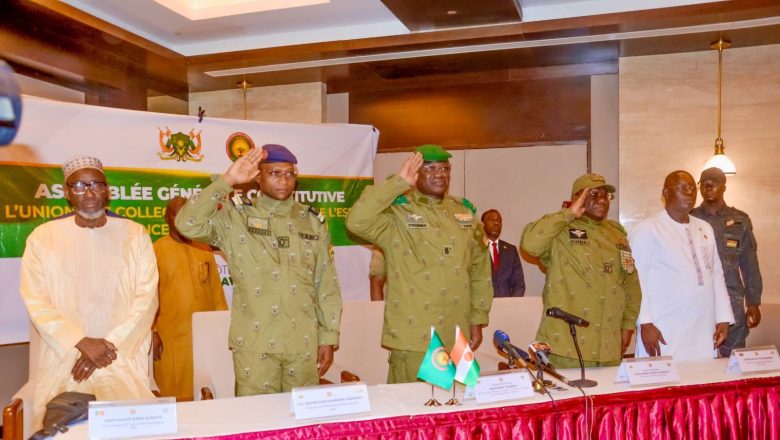
The Union of Territorial Collectivities of the Alliance of Sahel States (AES) was formally established in Niamey on Thursday, June 11, 2026. This new entity aims to foster collaboration among local administrations within the member countries of the AES, comprising Burkina Faso, Mali, and Niger. The constitution of the union marks a significant step towards strengthening decentralized governance and regional solidarity across the Sahel region. Its formation is expected to facilitate coordinated development strategies and enhance the capacity of territorial collectivities to address shared challenges, ultimately benefiting their respective populations. This initiative shows a collective commitment to deeper integration and mutual support among the three nations.
Bridging Sub-National Gaps
The new initiative intends to equip the territorial collectivities of Burkina Faso, Mali, and Niger with a unified mechanism for consultation and action, directly benefiting their respective populations. This common mechanism for consultation and action is designed to provide a cohesive framework for local administrations. The establishment of this body also seeks to address an existing institutional gap concerning trans-border coordination among member states at the sub-national level. This mechanism aims to streamline efforts and facilitate more effective collaboration on issues that span national borders within the Alliance of Sahel States (AES). The Union is designed to enhance the capacity for collective response to shared challenges faced by local administrations across the three nations, promoting a more integrated approach to regional development and security.
Consolidating the Confederation
The establishment of the Union of Territorial Collectivities is viewed as a significant step towards consolidating the Alliance of Sahel States (AES) into a durable integration structure. This new body aims to strengthen the foundational elements of the AES by fostering closer cooperation at the sub-national level, thereby solidifying the confederate project. Through this confederation, Burkina Faso, Mali, and Niger seek to build resilience and promote shared development initiatives across their territorial collectivities. The union's creation is expected to enhance the collective capacity of local administrations, thereby contributing to the broader cohesion and operational effectiveness of the Sahel Alliance. This strategic move shows a commitment to deeper regional integration, moving beyond national boundaries to address common challenges through a unified framework and making territorial elected officials active relays of integration policy.
Ministerial Endorsement
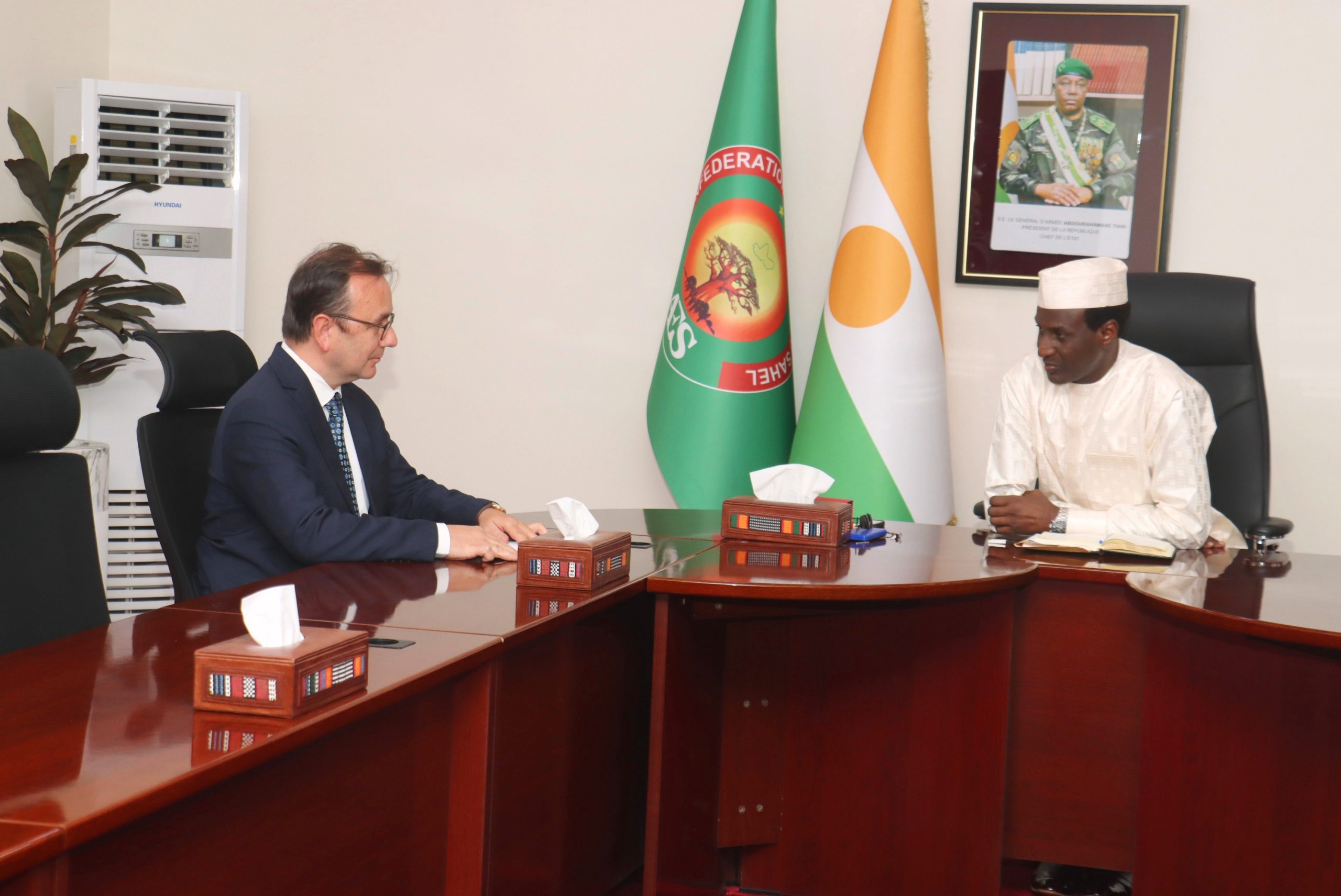
The opening ceremony for the Union of Territorial Collectivities of the Alliance of Sahel States (AES) was presided over by General of Division Mohamed Toumba, Minister of State for Interior, Public Security, and Territorial Administration. His presence showed the high-level governmental support for the newly formed union, which aims to strengthen decentralized governance and regional solidarity across Burkina Faso, Mali, and Niger. The Minister's participation noted the commitment of the AES member states to facilitating collaboration among local administrations and addressing institutional gaps in trans-border coordination. This endorsement signifies the strategic importance attributed to the union in consolidating the confederation and fostering collective development initiatives at the sub-national level, ensuring that the project is anchored within communities.
Integration Agenda
The meeting's agenda focused on several key objectives, including the formal creation of the Union and the establishment of its governing bodies. Participants also aimed to define strategic perspectives for the organization, harmonize territorial policies across member states, and coordinate actions specifically designed to benefit local populations. The Union's mandate further includes anchoring the confederate project within communities, positioning territorial elected officials as active conduits for the integration policy across Burkina Faso, Mali, and Niger. This full agenda reflects the ambition to create a strong and effective framework for sub-national cooperation, ensuring that local needs and priorities are central to the broader integration efforts of the Alliance of Sahel States.