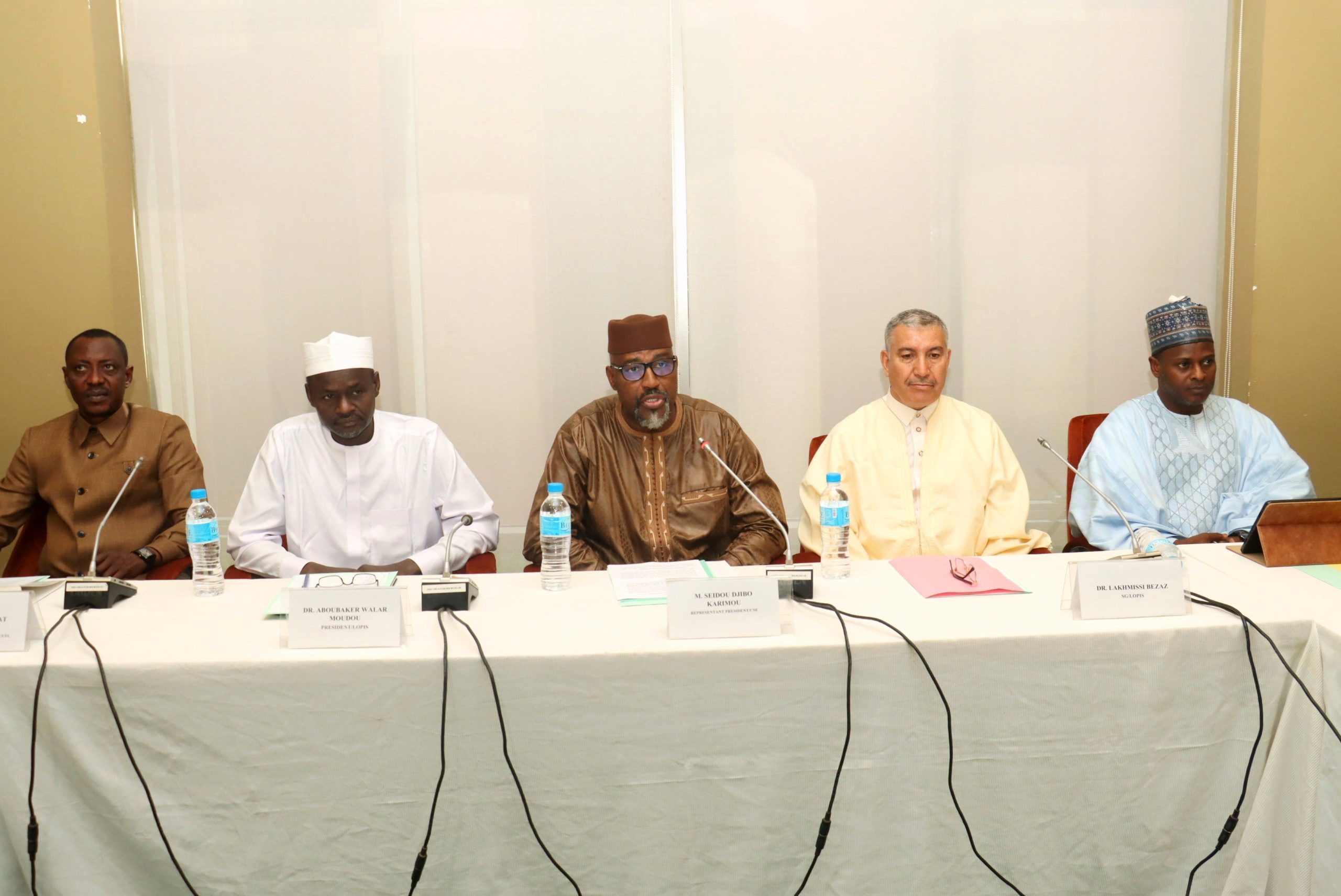
The Ligue des Oulémas, prêcheurs, imams du Sahel (LOPIS) and the Unité de Fusion et de Liaison (UNFL) organized a three-day workshop at the Centre international de conférences Mahatma Gandhi de Niamey. This significant training event brought together religious leaders from across the Sahel region to address pressing issues related to violent extremism. The initiative aims to equip imams with essential tools and full knowledge to effectively counter extremist narratives within their communities and promote a message of peace and unity.
Workshop Objectives and Themes
The workshop centered on the prevention of violent extremism, a key focus for participants from across the Sahel. This critical strategy underpinning the initiative seeks to strengthen the capacities of academics and preachers, providing them with enhanced skills and deeper understanding. It also aims to unify visions among religious leaders, fostering a cohesive approach against radicalization, and energize the vital role of religious institutions in community guidance. This collective effort is particularly directed towards intellectual awakening and the protection of the homeland in the face of persistent extremist threats. The full program was designed to offer practical guidance and theoretical insights into combating radical ideologies.
Strategic Approach and Principles
The workshop's central theme focused on 'la construction de l’unité intellectuelle et la déconstruction du discours radicalisé' (the construction of intellectual unity and the deconstruction of radicalized discourse). This strategic approach aims to foster a unified intellectual front against extremist ideologies, ensuring a consistent and strong message. The Unité de Fusion et de Liaison (UNFL) employs a specific mechanism for raising awareness about real Islam, which is firmly founded on authentic Quranic principles. This foundational strategy seeks to provide a theological basis for countering narratives that misrepresent and distort Islamic teachings to justify violence and division. The UNFL's efforts are meticulously designed to reinforce community resilience against radicalization by equipping religious leaders with academically sound interpretations and compelling arguments rooted in Islamic tradition. Participants engaged in in-depth discussions on how to effectively communicate these principles to their congregations.
Leadership Recognition and Support
The President of the Republic of Niger, General Abdourahamane Tiani, and the President of Algeria, M. Abdelmadjid Tebboune, have been recognized for their significant contributions to counter-terrorism efforts in the region. Their unwavering support for researchers and preachers engaged in this critical work was specifically acknowledged during the workshop in Niamey. This recognition notes the perceived importance of strong political leadership in fostering environments conducive to religious education and the implementation of counter-extremism initiatives. The acknowledgment shows a key collaborative approach between state leadership and religious institutions in addressing complex regional security challenges and promoting stability.
Expert Insights on Extremism
The workshop, held on Friday, June 26, 2026, brought together distinguished religious scholars to address the complexities of extremist ideologies. Approximately twenty Nigerien imams and preachers participated in the intensive training, focusing on practical strategies to deconstruct radicalized discourse and prevent its spread. The session aimed to equip these influential religious leaders with an advanced understanding and effective tools to counter extremist narratives within their communities and beyond. These dedicated participants engaged in rigorous discussions and specialized learning modules designed to foster intellectual unity and reinforce the true principles of Islam, emphasizing peace, tolerance, and moderation. The initiative shows a collaborative effort to strengthen community resilience against radicalization through informed and empowered religious leadership, ensuring that religious teachings are used to build, not to destroy.