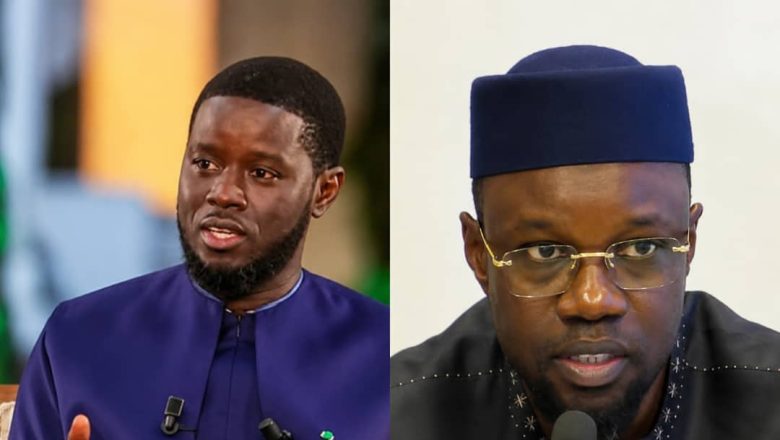
Dakar is experiencing heightened tension following the dismissal of Prime Minister Ousmane Sonko by President Bassirou Diomaye Faye, an event that occurred two days before May 24, 2026. This action has introduced an unprecedented zone of political uncertainty in Senegal since the 2024 alternation of power. The capital city, Dakar, is notably under significant tension in the wake of this high-profile dismissal. The relationship between President Faye and Ousmane Sonko, once a formidable political tandem, has reportedly transformed into a high-risk duel, contributing significantly to the current instability and political upheaval gripping the nation. This unexpected turn of events has sent ripples through the political establishment, questioning the future direction of the country's governance.
Key Figures Depart
Following the dismissal of Prime Minister Ousmane Sonko, several figures closely associated with him have started to vacate their administrative and strategic roles within the government. These departures show the significant implications of the Prime Minister's removal. Among those cited as departing their functions are Kadidja Diouf, El Hadj Diagne, and Mouhamed Abdallah Ly. Their exits are not merely isolated incidents but signal a broader and more profound shift within the political landscape in Dakar, indicating a clear realignment of influence and power.
The evolving situation suggests a significant realignment of power dynamics, reflecting the deep divisions that have emerged. Within the existing power structure, several cadres consider the rupture between President Bassirou Diomaye Faye and Ousmane Sonko to be irreversible. This assessment shows the depth of the political division that has emerged since the Prime Minister's removal and the subsequent changes in key government positions. The departure of these key figures, who were often seen as close confidantes or strategic allies of Ousmane Sonko, further solidifies the perception of a definitive split at the highest levels of government. Their removal from key administrative and strategic posts indicates a deliberate move to consolidate power or to distance the new administration from the former Prime Minister's direct influence. This reshuffling is being closely watched for its long-term impact on government operations and policy implementation.
Internal Party Divisions Emerge
Militants of Pastef have expressed anger, believing President Bassirou Diomaye Faye has deviated from the party's foundational "rupture" project. This sentiment notes a growing rift within the party that brought both leaders to power. The National Political Bureau of Pastef, in a significant move, acknowledged Ousmane Sonko's political record and reaffirmed its unwavering commitment to the party's initial foundational project and its historical leader, Ousmane Sonko. This public statement from the party's highest political body shows the internal friction and the perceived divergence from core party principles. Tensions within the party had been evident for several months prior to the dismissal, suggesting a deeper, underlying disagreement that predated the recent events. The nomination of Aminata Touré to lead the "Diomaye Président" coalition, for instance, reportedly caused considerable internal friction and discontent among party members loyal to Sonko.
El Malick Ndiaye, the President of the National Assembly, is widely regarded as a steadfast and loyal supporter of Ousmane Sonko, a factor that could play a key role in future political maneuvers. A significant point of contention that has fuelled these internal divisions and public debate has been the question of presidential special funds, commonly known as "caisses noires." During the presidential campaign, Pastef had explicitly pledged a radical departure from such opaque financial mechanisms, promising transparency and accountability. The continued existence or perceived lack of reform regarding these "caisses noires" is cited as a major point of tension, directly challenging the party's core promise of a "rupture" with old practices and opaque governance. This issue resonates deeply with the party's militant base, who feel that the current administration might be straying from the anti-corruption and transparency agenda that was central to their electoral success. The internal party dynamics, therefore, are not just about personal loyalties but also about adherence to ideological commitments and campaign promises.
Risk of Institutional Crisis
Analysts are considering the possibility of a motion of censure against the incoming government, according to reports. Such a parliamentary action could significantly escalate the current political tensions, potentially pushing the country into uncharted political waters. A motion of censure, if successful, has the potential to plunge Senegal into a lasting institutional crisis, creating prolonged uncertainty regarding the country's governance and stability. This scenario presents a serious challenge to the nascent administration and could destabilize the political landscape for an extended period.
The institutional framework dictates that the president cannot immediately dissolve the National Assembly, even in the event of a successful motion of censure. This creates a complex and potentially perilous scenario where a government could be unseated, but the legislative body remains intact, potentially leading to a protracted deadlock between the executive and legislative branches. The non-dissolvable nature of the assembly adds a significant layer of complexity to any potential censure proceedings, as it prevents a swift resolution through new elections that might otherwise break a political impasse. The political implications of such a crisis could extend far beyond the immediate governmental structure, deeply affecting the nation's stability, its ability to implement key policies, and its international standing. The prospect of an institutional crisis, fueled by the dismissal of the Prime Minister and the ensuing political fallout, represents a critical juncture for Senegal's democratic institutions and its future trajectory. The interplay between an unseated government and an undissolved parliament could create a period of profound uncertainty, hindering effective governance and potentially leading to constitutional challenges.