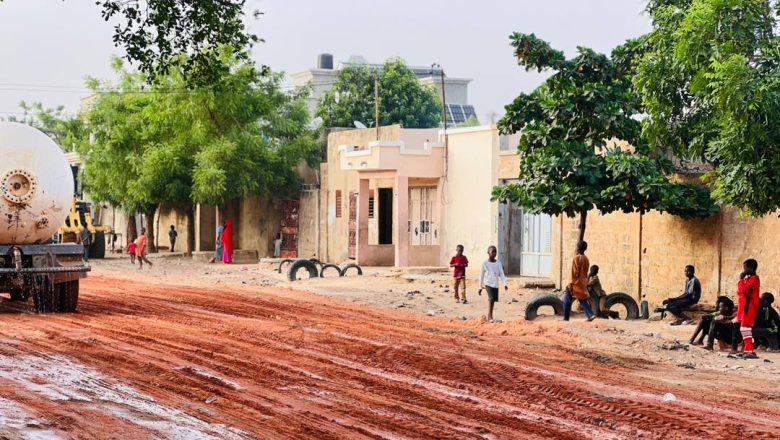
Amadou Labo Maraya, the Special Advisor to the Head of State, is funding an emergency road rehabilitation project in Niamey. This significant initiative, aimed at improving key urban infrastructure, focuses specifically on the stretch between the Likita Kassoum Gao ravine and the Masalacin Jinguilé mosque. This development, which marks a proactive step towards enhancing urban connectivity and safety, was noted in an article published on May 22, 2026, bringing public attention to the efforts undertaken by the Special Advisor. The launch of this project shows a commitment to addressing long-standing infrastructural challenges within the nation's capital.
Addressing Chronic Impassability
The affected road section has been chronically impassable, particularly during the annual rainy season, a situation that has consistently hindered the local economy and significantly compromised user safety for an extended period. These challenging conditions often made travel exceedingly difficult and hazardous for residents and businesses operating in the area, creating bottlenecks and limiting access to essential services and markets. The emergency road project, therefore, aims to comprehensively address these long-standing issues that have plagued the community. It is specifically intended to end the isolation of homes located along the riverside during the rainy season, ensuring year-round accessibility and connectivity for these previously cut-off communities. The initiative seeks to significantly improve overall traffic flow in the vicinity, alleviating congestion during peak hours and enhancing the security of night travel for all road users, thereby fostering a safer and more efficient urban environment. These anticipated improvements are expected to bring substantial relief to residents and facilitate more strong economic activities, contributing to the overall development of the area.
Funding and Collective Effort
The emergency road rehabilitation initiative is being financed through a combination of personal contributions from Amadou Labo Maraya and a broader collective effort, demonstrating a collaborative approach to community development. This funding strategy for the project is designed to span a duration of six months, indicating a focused and time-bound commitment to completing the rehabilitation work efficiently. The reliance on both individual commitment and collective resources notes a model of shared responsibility in tackling critical infrastructure needs. This structured financing plan ensures that the necessary funds are allocated over a defined period, allowing for systematic progress and oversight of the project's execution. The combination of these financial resources is key for the successful implementation of the much-needed road improvements.
Call for Broader Engagement
Amadou Labo Maraya used the occasion to urge the broader community to participate actively in ongoing development efforts across the region. He specifically called upon the business bourgeoisie, technical cadres, and local forces to contribute their expertise, resources, and dedication to new initiatives. Maraya emphasized the critical importance of collective involvement and shared responsibility to support projects aimed at improving vital infrastructure and enhancing community welfare. This call to action seeks to build on the momentum generated by the current emergency road rehabilitation, fostering a spirit of collaboration that extends beyond this particular project. He noted that sustained progress and full development require the concerted efforts of all segments of society, leveraging diverse skills and financial capabilities for the greater good of Niamey's residents.
Project Scope and Impact
Special Advisor Amadou Labo Maraya initiated an emergency road rehabilitation project in Niamey, targeting a critical infrastructural need. The initiative specifically targets the road segment between the Likita Kassoum Gao ravine and the Masalacin Jinguilé mosque, an area identified for its persistent challenges. This project aims to directly address the chronic impassability of this section, particularly during the rainy season, which has historically hindered the local economy and significantly compromised user safety for community members. The rehabilitation work is intended to end the isolation of riverside homes, ensuring year-round accessibility and fostering greater integration within the urban fabric. It seeks to significantly improve overall traffic flow, thereby reducing travel times and congestion, and enhance the security of night travel for all road users in the area, creating a safer environment for commuters and residents alike. The full scope of this project is expected to yield tangible benefits, improving daily life and economic prospects for a significant portion of Niamey's population.