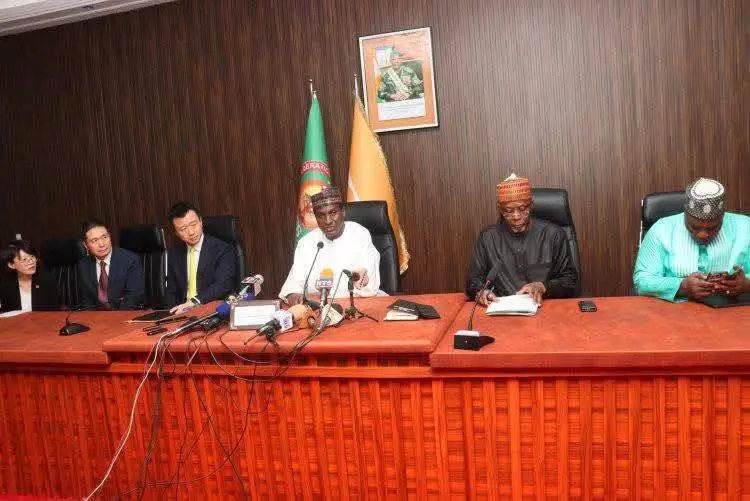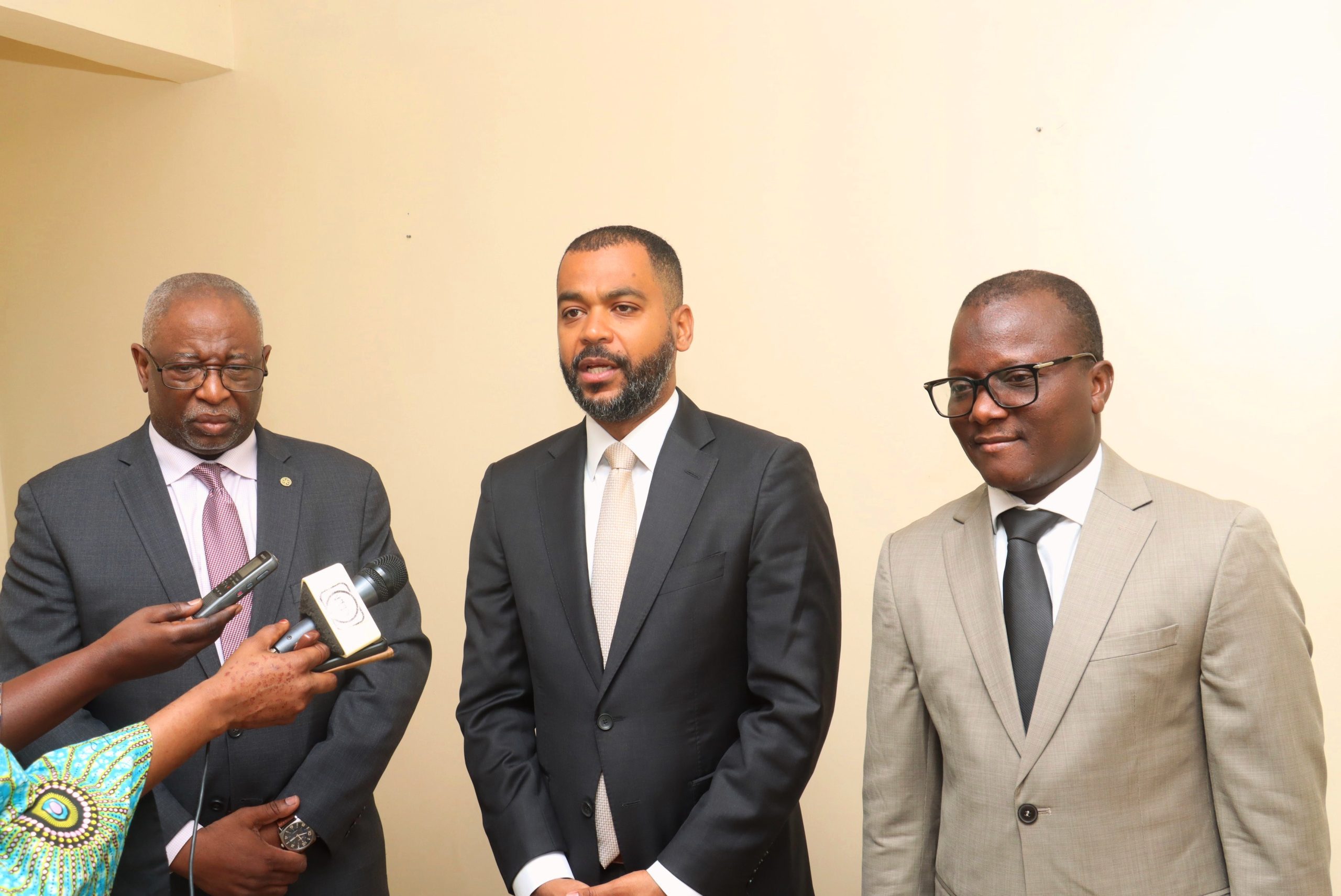
Nigerien Prime Minister Ali Mamane Lamine Zeine met with M. Harold Tavares, the Administrator for Group II Africa at the World Bank, at his office in Niamey on Thursday, May 21, 2026. Their discussion focused on enhancing cooperation between Niger and the World Bank. The meeting showed ongoing efforts to strengthen their partnership and address key development challenges facing the West African nation. The Prime Minister's office confirmed the engagement, which is part of a series of high-level consultations aimed at fostering international collaboration. This significant gathering served as a platform to reaffirm the strategic alliance between Niger and the World Bank Group, an alliance critical for the nation's socio-economic advancement. The discussions delved into various facets of the existing collaboration, emphasizing the mutual benefits derived from sustained engagement and shared development objectives. Both parties expressed a commitment to deepening their relationship, exploring new avenues for support, and ensuring the effective implementation of ongoing initiatives that contribute to Niger's progress.
Bilateral Cooperation Discussions
Discussions between Nigerien Prime Minister Ali Mamane Lamine Zeine and M. Harold Tavares, Administrator for Group II Africa at the World Bank, centered on the positive state of relations and collaboration between the World Bank Group and Niger. The meeting, held at the Prime Minister's office in Niamey, noted the ongoing partnership between the international financial institution and the West African nation. This high-level dialogue provided an opportunity for both leaders to review the progress of various development projects and programs currently underway across Niger, supported by the World Bank. The exchange of perspectives aimed to identify areas where further synergy could be achieved and to anticipate future needs in the context of Niger's evolving development landscape.
Officials noted that the dialogue served to reinforce existing ties and explore avenues for future engagement. The World Bank Group, which includes the International Bank for Reconstruction and Development (IBRD), the International Development Association (IDA), the International Finance Corporation (IFC), and the Multilateral Investment Guarantee Agency (MIGA), has historically supported various development initiatives in Niger. Each of these entities plays a distinct yet complementary role in providing financial and technical assistance tailored to Niger's specific requirements. The IBRD typically lends to middle-income and creditworthy low-income countries, while the IDA provides interest-free loans and grants to the world's poorest countries, a key resource for Niger. The IFC focuses on private sector development, mobilizing private capital and providing advisory services to foster sustainable enterprise. MIGA, on the other hand, offers political risk insurance and credit enhancement to investors and lenders, encouraging foreign direct investment.
The Prime Minister's office emphasized that the exchange reflected a mutual commitment to advancing Niger's development agenda through sustained cooperation. This engagement is part of broader efforts to ensure the effectiveness of ongoing projects and to identify new areas where World Bank expertise and financing can further contribute to the country's progress. The discussions also touched upon the importance of aligning World Bank support with Niger's national development strategies and priorities, ensuring that interventions are relevant, impactful, and sustainable. This alignment is fundamental to achieving long-term development outcomes and strengthening national ownership of development processes. Both parties acknowledged the importance of regular high-level consultations to maintain momentum in their collaborative endeavors. These periodic meetings are essential for monitoring progress, addressing challenges, and adapting strategies to changing circumstances, thereby ensuring the continued efficacy of their partnership. The constructive nature of the discussions showed a shared vision for a prosperous and resilient Niger, built on a foundation of strong international cooperation.
World Bank's Role in Niger
The World Bank Group maintains a significant role in Niger's developmental trajectory, extending financial and technical assistance across various sectors. Its involvement spans critical areas such as agriculture, education, health, infrastructure, and governance, aligning with the country's national development priorities. This full approach reflects an understanding of the interconnectedness of these sectors in fostering holistic development. The institution's support is channeled through several arms, including the International Development Association (IDA), which provides concessional financing to the world's poorest countries, and the International Finance Corporation (IFC), which focuses on private sector development. Through IDA, Niger benefits from key funding that supports large-scale public sector projects, while IFC's involvement helps stimulate economic growth by fostering a dynamic private sector, which is vital for job creation and innovation. These engagements are designed to bolster economic growth, improve living standards, and enhance the resilience of local communities against various shocks, including climate change and economic downturns.
Ongoing projects supported by the World Bank in Niger include initiatives aimed at strengthening food security and agricultural productivity, particularly in regions vulnerable to climate change and environmental degradation. Niger, being largely an agrarian economy, relies heavily on these interventions to ensure its population's sustenance and to mitigate the impacts of adverse weather conditions. Investments in rural development and irrigation systems are central to these efforts, seeking to diversify livelihoods and reduce reliance on rain-fed agriculture. Such projects often involve the introduction of climate-smart agricultural practices, improved seed varieties, and better water management techniques, all designed to enhance yields and improve farmer incomes. These initiatives frequently incorporate components for strengthening agricultural value chains, from production to market access, empowering smallholder farmers and pastoralists.
In the education sector, the World Bank supports programs focused on increasing access to quality schooling, improving learning outcomes, and vocational training to equip the youth with relevant skills for the job market. This includes projects designed to reduce gender disparities in education and strengthen educational infrastructure. Efforts often target primary and secondary education, aiming to improve teacher training, develop relevant curricula, and provide essential learning materials. Vocational training initiatives are particularly key in preparing young Nigeriens for employment opportunities in emerging sectors, thereby addressing youth unemployment and fostering economic diversification. The World Bank's interventions in education also extend to supporting policy reforms that aim to improve the overall governance and effectiveness of the education system, ensuring that investments translate into tangible improvements in human capital.
Healthcare initiatives also form a substantial part of the World Bank's contributions, focusing on improving maternal and child health, combating infectious diseases, and strengthening health systems. These programs often involve funding for essential medicines, medical equipment, and the training of healthcare professionals, particularly in remote areas. The objective is to enhance access to basic health services, reduce preventable diseases, and improve health outcomes for vulnerable populations. Support often includes strengthening primary healthcare facilities, implementing vaccination campaigns, and improving disease surveillance and response mechanisms. By investing in health systems, the World Bank helps Niger build a more resilient public health infrastructure capable of responding to both routine health needs and public health emergencies.
Infrastructure development, key for economic integration and access to markets, also receives considerable support. This encompasses projects related to road networks, energy access, and urban development, aiming to enhance connectivity and foster a more conducive environment for private sector investment. Improved road infrastructure facilitates trade, reduces transportation costs, and connects rural communities to urban centers. Investments in energy access, particularly renewable energy sources, are vital for powering homes, businesses, and public services, contributing to economic growth and environmental sustainability. Urban development projects often focus on improving basic services such as water, sanitation, and housing in rapidly growing cities, enhancing the quality of life for urban residents. These infrastructure projects lay the groundwork for sustained economic development and improve the overall efficiency of the economy.
The World Bank provides technical assistance and policy advice to the Nigerien government, helping to strengthen public financial management, improve governance, and foster a more transparent and accountable public sector. These advisory services are often integrated into broader development programs, aiming to build local capacity and ensure the sustainability of reforms. This includes support for fiscal reforms, anti-corruption measures, and improvements in public service delivery, all of which are critical for effective governance and efficient use of public resources. The institution's long-term commitment to Niger reflects a shared objective of addressing the country's development challenges and harnessing its potential for sustainable and inclusive growth. Regular consultations and project reviews are undertaken to ensure the effectiveness and impact of these interventions, adapting strategies as needed to respond to evolving national priorities and global economic conditions. The World Bank Group's multidimensional engagement shows its position as a key partner in Niger's developmental aspirations, working collaboratively to achieve tangible and lasting improvements in the lives of its citizens.
Economic Landscape and Future Outlook
Niger's economic landscape is characterized by its reliance on agriculture and its ongoing efforts to diversify revenue streams. The nation continues to pursue strategies aimed at bolstering its financial stability and fostering sustainable growth. This pursuit is particularly vital given the country's vulnerability to external shocks, including climate variability and fluctuations in commodity prices. Prime Minister Ali Mamane Lamine Zeine's administration prioritizes initiatives designed to attract foreign investment and enhance domestic productivity, particularly in sectors beyond traditional primary industries. The government recognizes that diversifying the economy is key to building resilience and creating a wider array of economic opportunities for its growing population. Efforts to improve the investment climate, streamline regulatory processes, and offer attractive incentives are central to this strategy, aiming to draw in both regional and international investors.
The government's long-term vision for economic development includes strengthening infrastructure, promoting private sector engagement, and improving human capital. These efforts are seen as key for addressing challenges such as poverty reduction and job creation across the country. Strong infrastructure, encompassing transportation, energy, and digital connectivity, is considered foundational for economic expansion and for facilitating trade and investment. The promotion of private sector involvement is geared towards fostering innovation, driving efficiency, and creating sustainable employment opportunities, thereby reducing the burden on the public sector. Investing in human capital through education, health, and skills development programs is recognized as essential for equipping the workforce with the competencies needed for a modern, diversified economy. These strategic pillars are interdependent, with progress in one area often catalyzing advancements in others, creating a virtuous cycle of development.
Discussions with international partners, including M. Harold Tavares of the World Bank, frequently touch upon these strategic objectives. Such dialogues are instrumental in securing the necessary financial and technical support to implement these ambitious plans. The focus remains on establishing a resilient economic framework capable of withstanding external shocks and supporting inclusive development for all citizens. This involves not only reactive measures to mitigate crises but also proactive policies to build structural resilience and ensure equitable distribution of economic benefits. The government's commitment to sound macroeconomic management and fiscal discipline further strengthens its credibility with international financial institutions and potential investors.
Future outlooks for Niger's economy are closely tied to the effective implementation of its development programs and the continued support from international financial institutions. The country aims to optimize its natural resources while investing in renewable energy and digital transformation to create new economic opportunities. Niger possesses significant natural resources, and the government seeks to ensure that their exploitation contributes maximally to national development through transparent and responsible management. Simultaneously, the push towards renewable energy sources is driven by both environmental sustainability goals and the desire to enhance energy independence and access across the country. Digital transformation initiatives are seen as critical for modernizing the economy, improving public services, and fostering a vibrant technology sector that can drive innovation and create high-value jobs. Policy reforms are also underway to improve the business climate and ensure greater transparency and efficiency in public financial management. These measures are intended to create a more attractive environment for both local and foreign investors, fostering confidence and encouraging long-term capital commitments.
The government emphasizes the importance of regional integration and trade as key drivers for economic expansion. Efforts to strengthen cross-border economic ties and participate actively in regional markets are central to this strategy. Niger is strategically located in West Africa, making regional trade a natural avenue for economic growth and market expansion for its goods and services. Participation in regional economic blocs and initiatives is seen as a way to enhance economic resilience, foster shared prosperity, and collectively address common development challenges. Ali Mamane Lamine Zeine's engagement with the World Bank Administrator notes the critical role of multilateral partnerships in achieving these ambitious economic goals. The ongoing cooperation seeks to unlock Niger's full economic potential and improve the living standards of its population, building a foundation for sustainable prosperity and a brighter future for all Nigeriens.