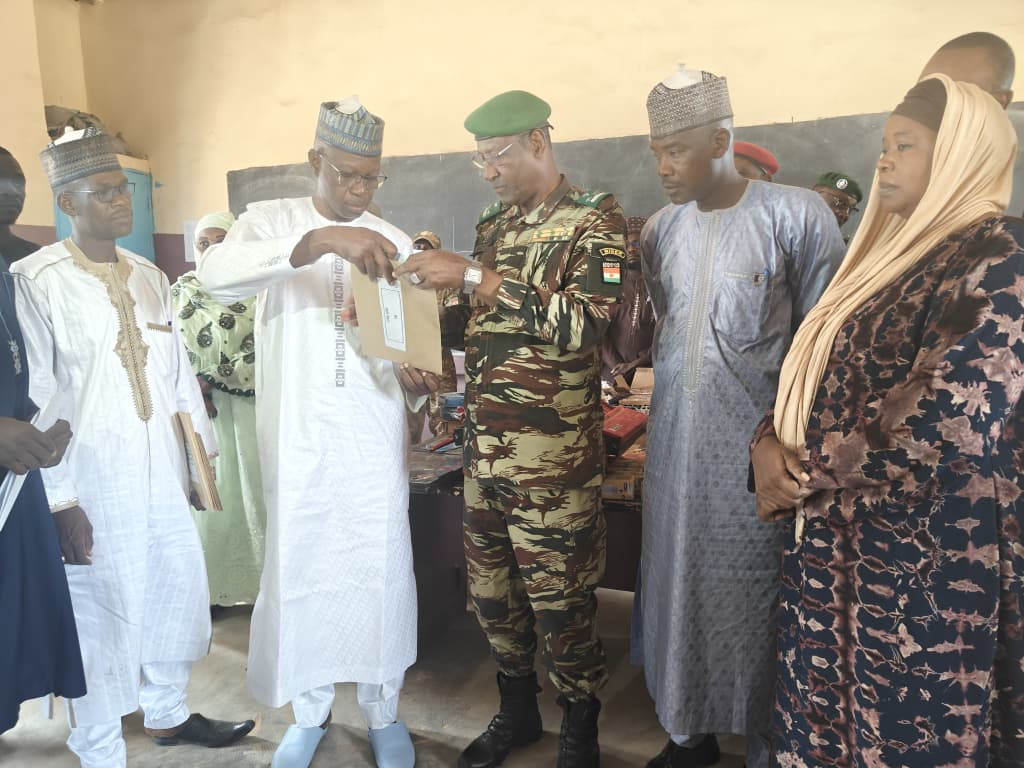
Women's organizations in the Zinder region of Niger recently made a significant contribution to the local Solidarity Fund. The initiative aims to strengthen community support mechanisms within the region. The contribution reflects collaborative efforts by various women's groups to address local needs and promote collective welfare. These organizations have actively worked to mobilize resources, channeling them towards initiatives designed to assist vulnerable populations and foster greater social cohesion in Zinder. The Solidarity Fund serves as a critical resource for emergency aid and community development projects. It was notably claimed that "Des organisations féminines de la région de Zinder ont fait une contribution importante au profit du Fonds de Solidarité," showing the significance of this collective action.
The commitment shown by these women's groups notes a growing trend of local empowerment and self-reliance in addressing pressing community challenges. Their collective action not only provides tangible financial support but also reinforces the spirit of solidarity among residents. This recent contribution is a testament to the organizational strength and dedication of women in Zinder, demonstrating their capacity to effect positive change through concerted efforts. The funds raised are poised to make a direct impact on the lives of many, supporting a range of vital programs and services within the community.
Details of the Generous Contribution
The Zinder women's organizations provided 410,000 CFA francs to the Solidarity Fund. This substantial contribution was delivered through an official ceremony held in Zinder, marking a key moment for community-led development initiatives. The funds are designated to support various community initiatives, including aid for vulnerable populations and the furtherance of socio-economic development projects. This financial injection is expected to significantly enhance the fund's capacity to respond to urgent needs and invest in sustainable growth. The collective effort was spearheaded by several prominent women's associations within the Zinder region of Niger, showcasing a united front for community welfare.
Among the organizations involved in mobilizing this financial support were the Groupement des Femmes Commerçantes de Zinder (GFCZ), an association of women traders, and the Association des Femmes Transformant le Mil et le Sorgho (AFTMS), which represents women involved in processing millet and sorghum. These groups, through their specialized focus areas, bring diverse economic perspectives and resources to the collective effort. Another key contributor was the Association des Femmes de Zinder pour le Développement (AFZD), focusing on general development efforts, thereby encompassing a broader range of community needs. These groups coordinated their fundraising activities over several weeks, drawing on contributions from their members and local community supporters. This extended period of fundraising shows the diligent and systematic approach taken by these organizations to gather the necessary resources. The successful culmination of their efforts in this significant donation reflects their strong organizational capabilities and their deep understanding of community needs, ensuring that the collected funds are directed towards the most impactful initiatives.
The Solidarity Fund itself is a locally managed initiative designed to provide rapid assistance in times of need and to invest in projects that enhance community resilience. Its focus areas include emergency financial aid for families facing unforeseen hardships, support for small-scale entrepreneurial activities, and funding for educational or health-related community programs. The recent donation is expected to bolster the fund's capacity to respond to these diverse requirements within Zinder, enabling a more strong and timely delivery of aid and development support. The transparency and local governance structure of the fund ensure that contributions are utilized effectively and in alignment with the community's most pressing priorities.
The ceremony for the fund's handover brought together representatives from the contributing women's associations and local government officials. This gathering symbolized a strong partnership between civil society and local authorities, essential for sustainable development. During the event, speakers emphasized the importance of self-reliance and collective action in addressing community challenges, noting the intrinsic value of such grassroots initiatives. The women's groups noted their commitment to continued collaboration and resource mobilization to ensure the sustainability of such initiatives, indicating a long-term vision for their engagement. This latest contribution marks a significant step in strengthening the local network of community support in Zinder, reflecting a broader trend of increased female participation in regional development efforts and decision-making processes. The event served not only as a handover but also as a platform to reaffirm the collective dedication to Zinder's progress.
Context of the Solidarity Fund
The Solidarity Fund in Zinder, Niger, operates as a localized mechanism established to provide financial assistance and support community development initiatives. It serves as a critical resource for addressing immediate needs and fostering long-term resilience within the region. The fund's primary objectives include offering emergency financial aid to families experiencing unforeseen hardships, such as illness, loss of livelihood, or natural disasters. This support aims to prevent vulnerable households from falling deeper into poverty during crises, providing a key safety net. The provision of such aid is often swift, allowing families to cope with unexpected challenges without enduring prolonged periods of destitution.
Beyond emergency relief, the Solidarity Fund also allocates resources to support small-scale entrepreneurial activities, particularly those managed by women and youth. These investments are designed to stimulate local economies, create self-employment opportunities, and enhance the financial independence of community members. Initiatives often include micro-loans or grants for starting or expanding small businesses, contributing to sustainable economic growth in Zinder by fostering local innovation and job creation. By focusing on these groups, the fund helps to reduce economic disparities and build a more inclusive local economy. This strategic investment in entrepreneurship is vital for transforming individual livelihoods into broader community prosperity.
The fund channels contributions towards educational and health-related community programs. This encompasses projects such as improving school infrastructure, providing educational materials, or supporting health awareness campaigns and access to basic medical services. The goal is to enhance the overall well-being and human capital development within the Zinder community, ensuring that residents have access to fundamental services that improve their quality of life. These programs are essential for breaking cycles of poverty and enabling future generations to thrive. The collective efforts of various women's organizations, including the Groupement des Femmes Commerçantes de Zinder (GFCZ), the Association des Femmes Transformant le Mil et le Sorgho (AFTMS), and the Association des Femmes de Zinder pour le Développement (AFZD), have been instrumental in bolstering the fund's capacity. Their recent contribution of 410,000 CFA francs shows the community-driven nature of this initiative and its reliance on local solidarity. The fund's governance typically involves representatives from community groups and local authorities, ensuring transparency and alignment with local priorities. Its structure allows for rapid deployment of aid, making it a responsive tool for community support that is both efficient and accountable to the people it serves.
Women's Organizations' Role
Women's organizations in Zinder play a central role in mobilizing community resources and fostering local development initiatives. These groups have consistently demonstrated their commitment to collective welfare through coordinated efforts and financial contributions. Their involvement extends beyond mere fundraising, encompassing the identification of community needs and the active participation in projects designed to address them. This holistic approach ensures that their contributions are not just financial but also strategic and deeply integrated into the community's development agenda. The Groupement des Femmes Commerçantes de Zinder (GFCZ), an association representing women traders, stands as one example of these proactive organizations. Its members contribute not only financial resources but also their entrepreneurial skills and networks to support community initiatives, demonstrating how professional expertise can be leveraged for social good. Their involvement notes the economic agency of women in Zinder and their capacity to contribute significantly to the local economy and social welfare.
Similarly, the Association des Femmes Transformant le Mil et le Sorgho (AFTMS), comprising women involved in processing agricultural products, contributes significantly to these collective efforts. Their participation notes the diverse economic sectors from which support for the Solidarity Fund originates, reflecting a broad-based commitment across various livelihoods in Zinder. These women, often working in vital food production and processing industries, bring a unique perspective on food security and rural development to the fund's objectives. Their engagement shows the interconnectedness of economic activity and social responsibility within the region. The Association des Femmes de Zinder pour le Développement (AFZD) further exemplifies the dedication of women's groups to broader development goals. This organization focuses on general development, indicating a full approach to improving living standards and opportunities within the region, tackling issues that range from education to health and infrastructure.
The collaborative fundraising activities undertaken by these and other women's associations over several weeks show their organizational capacity and dedication. Their efforts culminated in a substantial contribution to the Solidarity Fund, demonstrating a tangible impact on local support mechanisms. The methodical planning and execution of their fundraising campaigns speak to their professionalism and commitment to achieving their goals. The women's groups are instrumental in fostering a sense of self-reliance and collective action among community members, serving as role models for civic engagement. Their initiatives often emphasize empowering vulnerable populations and promoting socio-economic development projects that benefit the wider community, ensuring that no one is left behind.
Through their active engagement, Zinder's women's organizations ensure that the Solidarity Fund remains a responsive and effective tool for addressing immediate needs and investing in long-term resilience. Their contributions bolster the fund's capacity to provide emergency financial aid, support small-scale entrepreneurial activities, and fund educational and health-related community programs. This active participation in resource mobilization and community governance notes the integral role these organizations play in strengthening the social fabric of Zinder. Their sustained commitment to collaboration and resource mobilization is key for the continued sustainability of such vital community initiatives, ensuring that the fund can continue its important work for years to come. The women's organizations thus serve as key drivers of community development and solidarity in the Zinder region of Niger, exemplifying the power of collective action in building a more resilient and prosperous future.