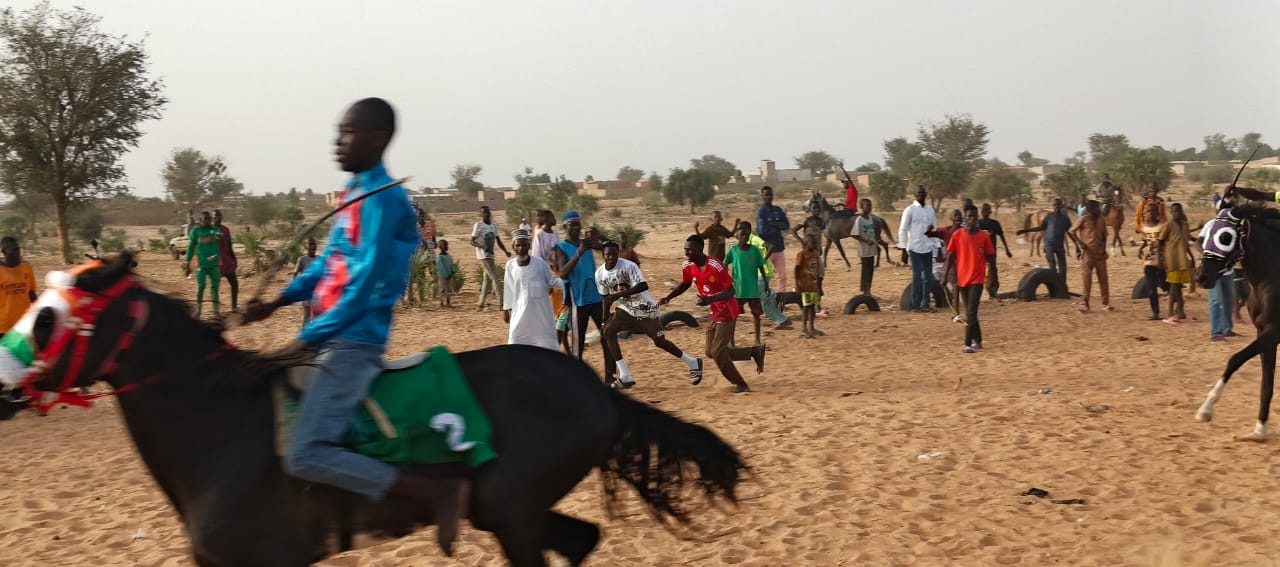
Tabaski celebrations included a series of important cultural events held at the Palais Royal du Chef de Canton de Tamaské. The traditional festivities unfolded at the Tamaské Royal Palace, marking the annual observance of Tabaski. These events were specifically organized to celebrate the Tabaski festival, a cornerstone of the community's annual calendar. The location for these significant gatherings was consistently the Royal Palace of the Chief of Canton of Tamaské, providing a historically rich and appropriate setting.
Cultural Festivities Noted
The annual Tabaski celebrations at the Palais Royal du Chef de Canton de Tamaské showcased a rich array of cultural traditions, drawing attendees from across the region. The festivities, centered at the historic Tamaské Royal Palace, emphasized the community's heritage through various customary practices. These observances are integral to the local identity, reflecting generations of shared customs and beliefs. The atmosphere throughout the celebration was marked by a deep reverence for tradition, with participants engaging in rituals that have been passed down through ancestral lines. Each aspect of the cultural program was meticulously organized to honor the significance of Tabaski, reinforcing communal bonds and cultural continuity. The events underlined the importance of preserving these practices for future generations, ensuring that the distinct heritage of Tamaské remains vibrant. The palace grounds served as a focal point for these activities, providing a majestic backdrop for the public and dignitaries alike to partake in the time-honored ceremonies. The celebration at the Tamaské Royal Palace showed the enduring role of traditional institutions in fostering cultural pride and unity within the community. The array of cultural expressions, from traditional music and dance to storytelling, captivated attendees and offered a vivid portrayal of the region's rich cultural tapestry. These gatherings also provided an invaluable opportunity for intergenerational exchange, where elders could impart the deeper meanings and historical context of the traditions to younger participants.
Significance of Tabaski
The events at the Tamaské Royal Palace were held to celebrate the Tabaski festival, a significant religious observance within the community. Tabaski, also known as Eid al-Adha, commemorates the willingness of Ibrahim (Abraham) to sacrifice his son as an act of obedience to God, before God intervened and provided a ram instead. The festival is marked by prayer, family gatherings, and the ritual slaughter of an animal, symbolizing devotion and sharing with those in need. For the residents of Tamaské, the celebration extends beyond religious rites to encompass a reaffirmation of cultural identity and communal solidarity. The festivities at the royal palace served as a central point for these observances, bringing together various segments of society to honor the core tenets of the festival. The gathering showed the enduring importance of Tabaski in fostering social cohesion and preserving traditional values within the region. This annual commemoration serves as a powerful reminder of faith, sacrifice, and community responsibility, reinforcing the moral and ethical foundations of the society. The communal sharing of meals and the distribution of meat to the less fortunate highlight the festival's emphasis on charity and compassion.
Royal Palace as Venue
The Tabaski celebrations were hosted at the Palais Royal du Chef de Canton de Tamaské, serving as the central location for the annual festivities. The historic Royal Palace of the Chief of Canton of Tamaské provided a traditional setting for the community to gather and observe the significant religious and cultural event. Its selection as the venue showed the importance of cultural heritage and continuity in the region. The palace grounds facilitated a range of activities, accommodating both religious rites and communal celebrations throughout the observance. This choice of location emphasized the role of traditional institutions in maintaining cultural practices and fostering unity among residents. The grandeur and historical significance of the palace naturally lent an air of solemnity and importance to the proceedings, elevating the experience for all participants. The palace, as a symbol of regional authority and tradition, provided an ideal backdrop for an event that deeply intertwines religious observance with cultural identity. Its expansive grounds were conducive to hosting the large numbers of people who wished to partake in the public aspects of the celebration, from prayers to cultural performances.