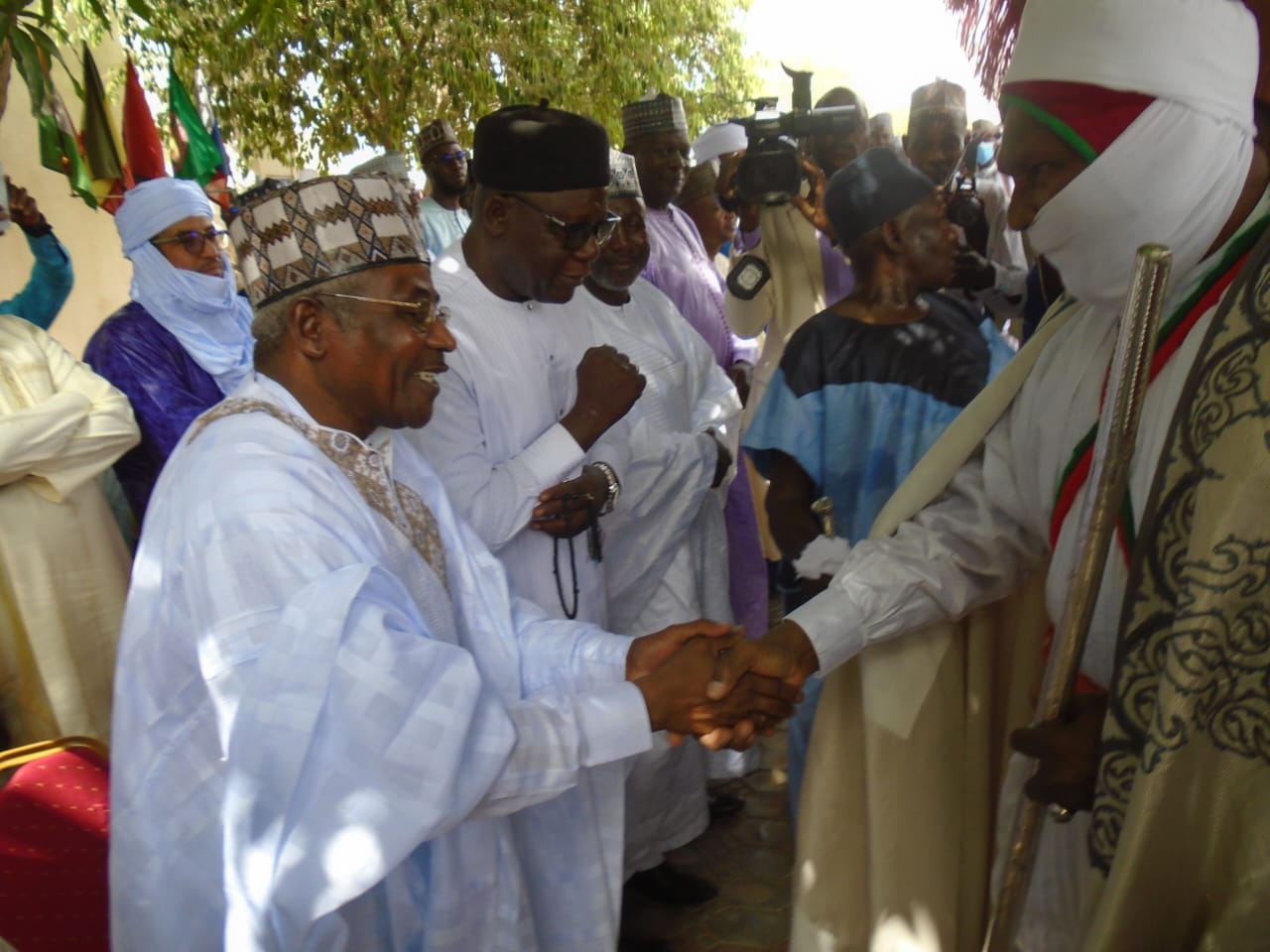
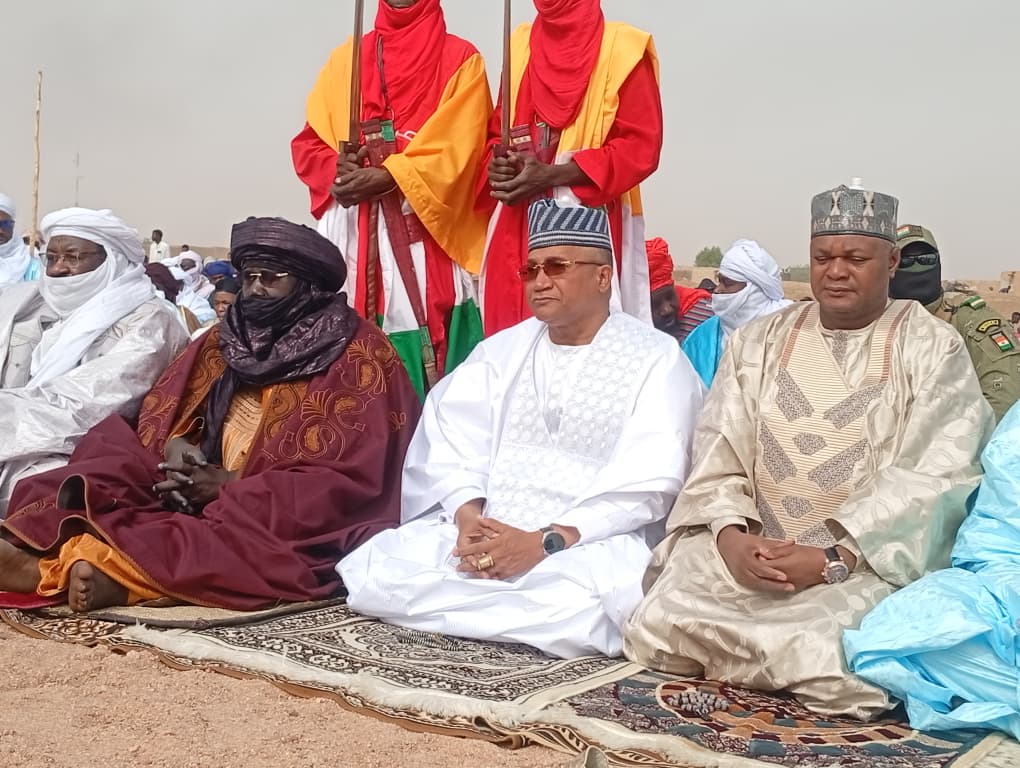
President Abdourahamane Tiani recently met with the Ambassador of the Kingdom of Spain to Niger. The meeting, which took place in Niger, involved the head of state receiving the Spanish envoy. This report is sourced from Agence Nigérienne de Presse (ANP). The diplomatic encounter signifies a continued engagement between Niger's leadership and European diplomatic representatives, reflecting the intricate dynamics of international relations in the Sahel region. The interaction shows the persistent efforts by international partners to maintain lines of communication with the current administration in Niger.
Diplomatic Exchange Details
President Abdourahamane Tiani held discussions with the Ambassador of the Kingdom of Spain to Niger, the first time under the current administration. The meeting occurred in Niger, where the head of state received the Spanish envoy. Agence Nigérienne de Presse (ANP) reported these details, emphasizing the significance of such high-level diplomatic contact. The diplomatic engagement represents an ongoing dialogue between Niger and Espagne, amidst evolving regional dynamics and geopolitical shifts. This interaction serves as a clear indication of the continued presence and interaction of European diplomatic missions within Niger, even during periods of political transition.
Such meetings serve as a key channel for bilateral communication on various issues of mutual concern, ranging from regional stability to specific areas of cooperation. The Spanish Ambassador's visit to President Tiani shows the importance placed on maintaining diplomatic ties despite the recent political changes in Niger. This commitment to ongoing dialogue notes the long-term perspective many nations adopt in their foreign policy, seeking to ensure stability and address shared challenges. Diplomatic exchanges like this often cover a wide range of topics, from security and economic cooperation to humanitarian aid and cultural links, fostering a full understanding between the two nations.
These interactions are key for understanding the perspectives of both nations and for fostering lines of communication that can be vital in addressing complex international issues. The specific agenda of the meeting was not publicly detailed by ANP beyond confirming the occurrence of the reception. However, the continuation of such high-level diplomatic contacts is a standard practice in international relations, ensuring that channels for discussion remain open and active. The event signifies a formal acknowledgment of the diplomatic relationship between the two countries, reaffirming the importance of their bilateral ties.
The presence of the Spanish Ambassador in Niger, engaging directly with President Tiani, indicates a commitment to diplomatic engagement at the highest level, reflecting a desire to maintain direct dialogue with the country's leadership. The meeting provides an opportunity for both sides to reiterate positions, clarify understandings, and explore potential areas for future collaboration or address existing challenges in their relationship. This interaction reflects the nuanced approach many international partners are taking in their engagement with Niger following recent political developments, prioritizing continuity in diplomatic relations.
The diplomatic meeting between President Tiani and the Spanish Ambassador is part of the broader international engagement with Niger, demonstrating that diplomatic channels remain active despite political shifts. It signals the ongoing efforts to maintain bilateral relations and communicate directly with Niger's leadership, ensuring that international perspectives are conveyed and understood. The report from Agence Nigérienne de Presse serves as the primary source for this diplomatic event, providing authoritative confirmation of the meeting's occurrence and its significance within the broader context of Niger's international relations. Such exchanges are fundamental to the intricate web of global diplomacy, allowing for continuous interaction and negotiation between sovereign states. The fact that President Abdourahamane Tiani received the Ambassador of the Kingdom of Spain to Niger further solidifies the notion that diplomatic engagement remains a cornerstone of the country's foreign policy.
Spain's Role in Sahel
Spain has historically maintained a significant diplomatic presence in the Sahel region, including in Niger, through its embassy and various cooperation initiatives. This sustained engagement reflects a strategic interest in the stability and development of the region, which is geographically proximate to Spain and the broader European continent. The Kingdom of Spain has engaged with countries like Niger on a multitude of issues, ranging from critical security concerns and migration management to full development aid programs. Spanish foreign policy in the Sahel often emphasizes stability and counter-terrorism efforts, aligning closely with broader European Union strategies and shared security objectives in the region.
Its involvement reflects a profound commitment to addressing challenges that could potentially impact European security and stability, including irregular migration flows and the spread of extremist ideologies. Spain's diplomatic missions in the Sahel play a key role in facilitating dialogue and cooperation on these critical matters, serving as vital conduits for communication and collaboration. The European nation's engagement extends beyond traditional diplomacy to various sectors, including humanitarian assistance, which addresses immediate needs, and cultural exchange programs, which foster mutual understanding and long-term relationships.
Spain has consistently contributed to multilateral efforts aimed at fostering economic development and strengthening governance in Sahelian states, recognizing that these are fundamental pillars for sustainable peace. These contributions are part of a wider international response to the complex socio-economic and security challenges faced by the region, demonstrating a shared responsibility in addressing global issues. The sustained diplomatic contact, as exemplified by the meeting between President Abdourahamane Tiani and the Spanish Ambassador, shows Spain's continued and unwavering interest in the stability of Niger and the broader Sahel. This consistent engagement notes Spain's dedication to its foreign policy objectives in the region.
Madrid's approach to the Sahel is often characterized by a pragmatic focus on areas where it can provide tangible support and expertise, such as training for security forces to enhance local capacities and collaborating on border management initiatives to improve regional security. This practical engagement aims to build local capacities and promote regional security, contributing directly to the long-term resilience of the Sahelian states. The Spanish Ambassador's meeting with President Tiani is consistent with this long-standing policy of maintaining direct lines of communication with regional leaders, even amidst evolving political landscapes and changes in government. Such interactions allow for the direct conveyance of Spanish perspectives, policy priorities, and the exploration of potential avenues for future collaboration, ensuring that dialogue remains open and constructive. Spain prioritizes the security of its southern flank, making the stability of the Sahel a significant and enduring concern for its national interests. This geographical proximity reinforces the strategic importance of the region to Spanish foreign policy.
The diplomatic relationship between Espagne and Niger has allowed for full discussions on a range of bilateral and regional issues, covering everything from economic partnerships to shared security threats. These exchanges are vital for understanding the perspectives of both nations and for fostering strong channels of communication that can withstand geopolitical fluctuations. Spain's continued diplomatic presence in Niger notes the enduring nature of its foreign policy interests in the Sahel, signaling a long-term commitment to the region. The meeting reported by Agence Nigérienne de Presse (ANP) confirms that Spain remains an active and influential diplomatic actor in the region, engaging directly and purposefully with Niger's leadership. This ongoing dialogue is a key component of Spain's broader strategy to contribute to peace, stability, and development in the Sahel, recognizing the interconnectedness of global challenges. The reception of the Ambassador of the Kingdom of Spain to Niger by President Abdourahamane Tiani exemplifies this continuous diplomatic effort.
Niger's International Relations
Niger's diplomatic engagement extends beyond its immediate regional partners, as evidenced by President Abdourahamane Tiani's recent reception of the Ambassador of the Kingdom of Spain to Niger. This meeting, reported by Agence Nigérienne de Presse (ANP), marks a visible and significant interaction between Niger's current leadership and a prominent European Union member state. The discussions between President Tiani and the Spanish envoy show the ongoing efforts to maintain diplomatic ties and facilitate communication channels between Niger and its international partners, demonstrating a commitment to continued engagement on the global stage. Such high-level engagements are a standard and essential component of international relations, allowing for direct and candid dialogue on various subjects of mutual interest, from trade to security.
The continuation of diplomatic contacts with countries like Espagne notes the complex and multifaceted nature of Niger's international relations amidst evolving political circumstances within the country and the broader region. European nations, including Spain, have historically maintained a strong diplomatic presence in the Sahel region, often focusing on critical areas such as regional security, sustainable development, and vital humanitarian assistance. Niger's interactions with these partners frequently involve detailed discussions on regional stability, strategies to address shared challenges like cross-border security threats, and initiatives for economic growth. The meeting with the Spanish Ambassador signifies that channels for bilateral communication remain open and active, permitting both sides to convey their perspectives, concerns, and proposals for cooperation effectively. This open dialogue is key for navigating complex international issues.
International relations for Niger involve navigating a dynamic landscape where various global actors seek to engage on a diverse range of issues, reflecting the country's strategic importance in the Sahel. The presence of diplomatic missions and the occurrence of official meetings, such as the one between President Tiani and the Spanish Ambassador, reflect a continued commitment to diplomatic engagement as a primary tool for foreign policy. These interactions provide invaluable opportunities to discuss bilateral cooperation across multiple sectors, address pressing regional security concerns, and coordinate humanitarian efforts to alleviate suffering. The Agence Nigérienne de Presse's report confirms that diplomatic activities are proceeding, indicating an ongoing and strong dialogue between Niger and its international counterparts. Such engagements are key for fostering understanding, building trust, and addressing the multifaceted challenges faced by Niger and the broader region, contributing to a more stable and prosperous future. The fact that President Abdourahamane Tiani received the Ambassador of the Kingdom of Spain to Niger is a clear indicator of Niger's active participation in global diplomatic discourse, maintaining key ties with European partners.