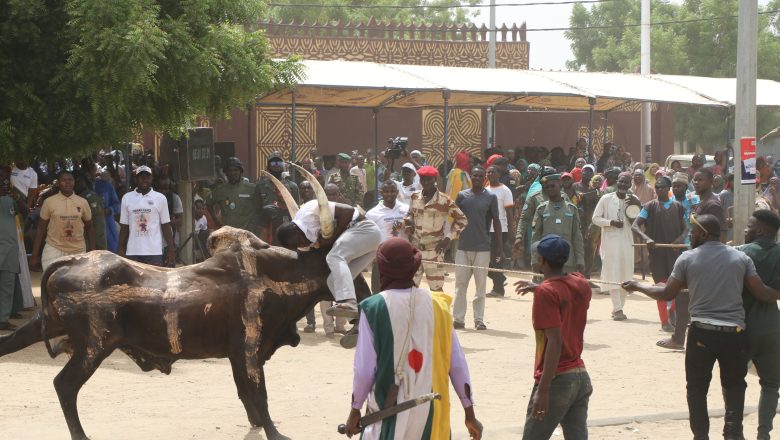
The Muslim community in the city of Zinder celebrated the annual Tabaski festival on Wednesday, May 27, 2026. The celebration marked the adherence to religious traditions in the city, bringing together residents from all walks of life in a display of faith and communal spirit. This significant annual event is a cornerstone of the Islamic calendar, observed with great reverence and joy by the local population. The festivities provided an opportunity for spiritual reflection and reinforced the strong social fabric that characterizes Zinder's vibrant community.
Community Gatherings and Observances
Regional authorities in Zinder joined the local population for gatherings at the city's main square as part of the Tabaski festival observations. The collective assembly at this central location showed the communal aspect of the annual celebration, drawing thousands to participate in shared rituals. Residents from various districts converged, participating in shared prayers and public observances that characterized the day, creating a powerful sense of unity. The presence of regional leadership alongside citizens reinforced the festival's significance as a unifying cultural and religious event for the community in Zinder, noting the importance placed on collective worship and civic participation. Families arrived together, often dressed in their finest attire, contributing to the vibrant atmosphere that filled the square throughout the morning. The main square served as a focal point for the city's festive activities, facilitating widespread participation in the traditional rites associated with Tabaski, including special congregational prayers. This central gathering allowed for a broad representation of Zinder's diverse population to mark the occasion collectively, fostering a feeling of shared identity and belonging among all attendees. The communal prayers offered a moment of solemn reflection before the day transitioned into more celebratory activities.
Significance of Tabaski
The Tabaski festival holds profound religious and cultural significance for the Muslim community in Zinder. Also known as Eid al-Adha, the celebration commemorates Prophet Ibrahim's (Abraham's) devotion and willingness to sacrifice his son, an act ultimately replaced by a ram by divine intervention. This annual observance is a cornerstone of Islamic faith, emphasizing themes of sacrifice, faith, and obedience to God, serving as a powerful reminder of spiritual commitment. For residents of Zinder, Tabaski is a time for deep spiritual reflection and communal solidarity, reinforcing the core tenets of their faith. Families gather, often traveling long distances, to share meals and exchange greetings, reinforcing familial bonds and community ties that are central to the social structure. The act of sacrificing an animal, typically a ram or goat, is central to the festival, symbolizing devotion and gratitude. The meat is traditionally divided among family, friends, and those in need, fostering a spirit of generosity and charity that permeates the celebration. This practice ensures that even the less fortunate can participate in the festive meals, embodying the values of compassion and mutual support. The festival's emphasis on sharing and collective worship strengthens social cohesion within the diverse population of Zinder, promoting harmony and understanding. It is a period where spiritual duties are intertwined with joyous social interactions.
Local Atmosphere
The streets of Zinder buzzed with activity as residents celebrated Tabaski. Many families adorned their homes with decorations, and the aroma of traditional dishes filled the air across various neighborhoods, signaling the festive nature of the day. Children, dressed in new clothes, gathered in open spaces, playing games and greeting relatives, their excitement adding to the joyful ambiance. The festive mood was palpable, with music and laughter echoing through the city from dawn until dusk. Local markets, though quieter than usual due to the holiday, displayed festive goods earlier in the week, contributing to the anticipation and preparations for the celebration. These markets had been bustling with shoppers acquiring ingredients for feasts and new outfits for family members. Community members engaged in visits to friends and family, reinforcing social bonds that are central to the celebration in Zinder, exchanging well wishes and sharing meals. The spirit of hospitality was evident throughout the city, with homes open to visitors and neighbors sharing in the merriment.