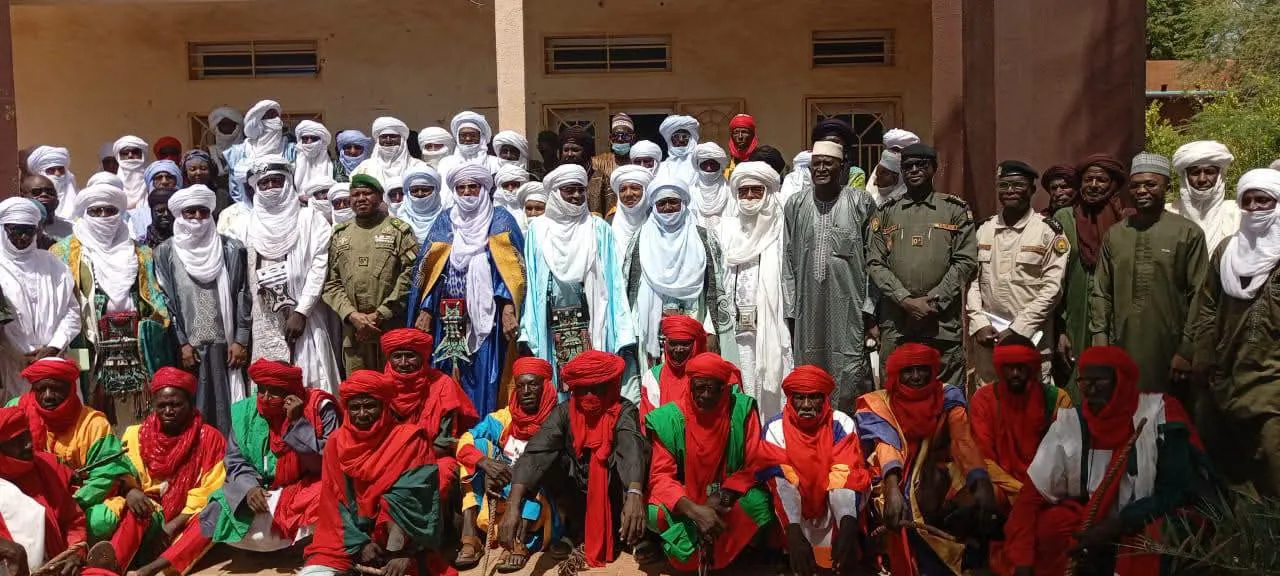
The Direction de la sécurité publique (DSP) organized an awareness and exchange day with traditional chiefs from the Tahoua region on Thursday, September 10, 2026. The meeting, held at the governorate, aimed to strengthen collaboration on security matters. This key gathering represented a significant step towards fostering closer ties between law enforcement and local leadership. The workshop convened 41 traditional chiefs alongside representatives from the Defense and Security Forces (FDS) and various administrative authorities, showing the broad participation in this security initiative. This gathering facilitated dialogue between law enforcement and local leaders to foster a unified approach to regional security, emphasizing the importance of shared responsibility in maintaining peace and order.
Security Cooperation Focus Areas
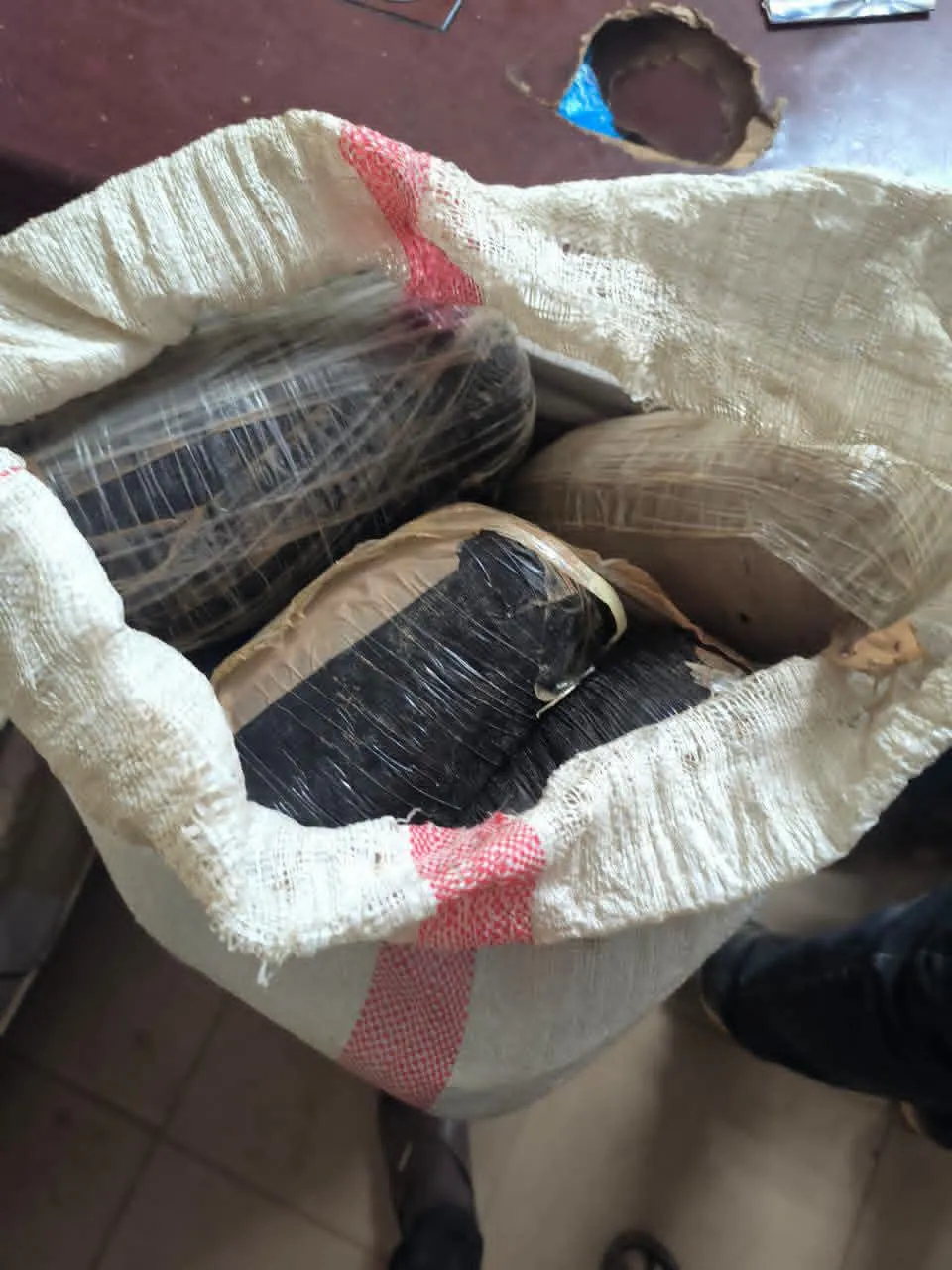
Discussions during the meeting primarily addressed pressing security issues facing the Tahoua region. These included key areas such as conflict prevention, a vital component in maintaining social harmony, and combating various forms of crime that impact community safety. Enhancing social cohesion was also a central theme, recognized as fundamental to building resilient communities. Participants explored strategies for improving proximity security, ensuring that security services are accessible and responsive to the needs of local populations. The exchange also provided a platform to examine methods to consolidate vigilance committees, which play a key role in local security efforts, and to more effectively involve customary authorities in local prevention and alert systems. A specific emphasis was placed on the fight against drug trafficking and other forms of crime that affect the community, acknowledging the detrimental impact these activities have on public well-being and stability. This full agenda reflected a commitment to tackling multifaceted security challenges through collaborative action.
Chiefs' Key Role Noted
The meeting showed the necessity for more effective information flow and continuous collaboration among the population, traditional chiefs, administrative authorities, and security services. This ongoing interaction is seen as vital for a proactive and responsive security environment. Traditional chiefs are viewed as critical actors in preventing tensions, relaying alerts, and raising citizen awareness due to their close ties with communities. Their deep understanding of local dynamics and direct communication channels make them indispensable partners. Their proximity allows for prompt identification of emerging issues and facilitates direct communication channels with residents, enabling early intervention and conflict resolution. This collaborative approach aims to integrate customary leadership into the broader security framework, enhancing both intelligence gathering and community engagement efforts. The emphasis on their role reflects a strategy to leverage established local structures for improved regional stability, recognizing that local leaders possess unique insights and influence within their communities.
Citizen Vigilance and Reporting
To enhance citizen participation in security efforts, authorities urged residents to report suspicious situations, emphasizing that community involvement is critical to effective security. The public can utilize dedicated green numbers, 17 and 8383, to communicate information directly and confidentially to security services. These easily accessible channels are designed to encourage prompt reporting of any activities that might threaten public safety. This initiative aims to integrate community members into the broader security framework by providing accessible channels for reporting, thereby transforming citizens into active partners in maintaining security. The emphasis on these reporting mechanisms shows the importance of citizen vigilance as a complementary tool to the efforts of traditional chiefs and law enforcement. By facilitating direct communication, officials anticipate a more proactive response to potential threats and criminal activities within the Tahoua region, strengthening the overall security posture through community involvement and collective responsibility.
Broader Security Strategy
The event was organized under the leadership of the regional director of the National Police of Tahoua, with support from DCAF-Niger. This collaboration shows a broader effort to integrate various stakeholders into security initiatives, noting a multi-agency approach to regional security. The National Police aims to develop a participatory security approach, which involves active engagement from all levels of society. This strategy, according to police officials, is based on dialogue, fostering open communication between authorities and communities; proximity, ensuring that security services are close and responsive to the population; and citizen vigilance, encouraging active participation from residents. It seeks to foster cooperation between law enforcement and local communities to address security challenges more effectively across the region, building a resilient and secure environment for all residents of Tahoua.