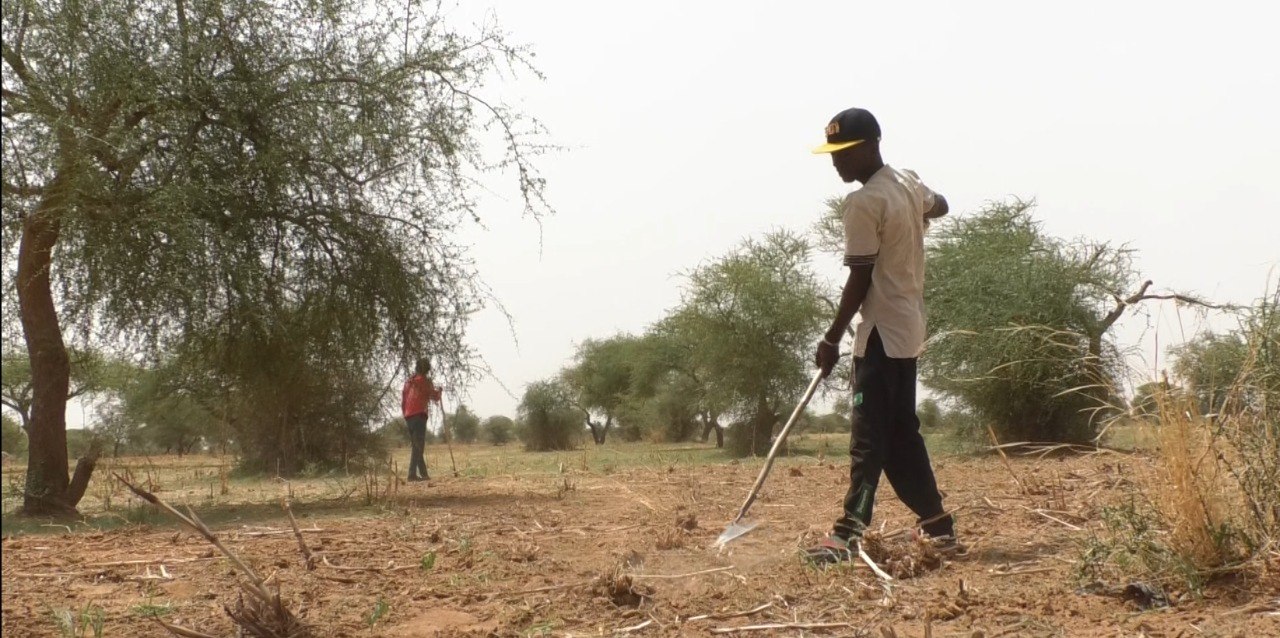
Farmers in the Tillabéri region managed to perform partial millet sowing across 95% of agricultural villages by the second decade of July 2026. This achievement comes despite weak rainfall conditions, which presented significant challenges for agricultural activities. The Regional Directorate of Agriculture (DRA) confirmed these impressive figures, sourced from its decade-long monitoring report of the agricultural campaign. This full report provides key insights into the progress and challenges faced by farmers across the region during the critical planting season.
Sowing Progress Detailed
By the second decade of July, a total of 2,168 agricultural villages in the Tillabéri region had managed to complete partial millet sowing. This substantial figure was confirmed by the Regional Directorate of Agriculture (DRA) in its detailed monitoring report for the current agricultural campaign, noting the widespread efforts across the farming communities. The DRA's extensive data indicated that the sowing efforts were widespread, covering a significant portion of the region's farming communities despite challenging weather conditions. This level of activity, encompassing 95% of agricultural villages, shows the dedication of local farmers. Farmers proceeded with planting millet, a vital staple crop for food security in the region, as the rainy season advanced, adapting their traditional methods to the weak rainfall observed during this period. The partial sowing reflects the farmers' resilience and their continued efforts to secure food production in the face of climatic variability, ensuring the continuation of agricultural cycles. The monitoring by the DRA provides a detailed overview of the agricultural activities taking place across Tillabéri, offering valuable data for future planning and support.
Challenging Rainfall Conditions
Weak rainfall conditions characterized the second decade of July across the Tillabéri region, according to observations meticulously gathered by the Direction régionale de l’Agriculture (DRA). This specific period typically marks a key phase for agricultural activities, particularly for the successful germination and establishment of millet crops. The reduced precipitation presented a significant challenge for farmers attempting to establish their crops, making the widespread partial sowing even more remarkable. Despite these adverse weather patterns, farmers in the region proceeded with partial sowing efforts, demonstrating their deep understanding of local conditions and their commitment to cultivation. The rainfall statistics for the second decade of July were notably lower than expected, directly impacting the initial stages of the agricultural campaign. Farmers have adapted their strategies to cope with the limited moisture, utilizing available windows to plant millet and maximize their chances of a successful harvest. The resilience of the agricultural communities in Tillabéri is evident in their continued efforts to cultivate despite the prevailing dry spell, showing the importance of millet to their livelihoods and regional food supply.
Monitoring and Campaign Establishment
The 2026 winter agricultural campaign is progressively establishing itself in the Tillabéri region, according to observations from the Direction régionale de l’Agriculture (DRA). This establishment phase is key for the agricultural season, particularly for staple crops like millet, which form the bedrock of local diets. Despite weak rainfall conditions previously noted during the second decade of July, farmers have continued their efforts to plant and cultivate their fields, indicating a sustained commitment to agricultural production. The DRA’s ongoing monitoring indicates that the campaign is moving forward, albeit with challenges posed by climatic factors such as the insufficient rainfall. Agricultural activities are proceeding across various villages, with 2,168 villages having carried out partial millet sowing by the second decade of July, reflecting the ongoing commitment of local farmers to initiate the planting season. This progressive establishment suggests continued activity in the fields as communities adapt to current weather patterns to secure food production for the region, striving to mitigate the effects of environmental variability. The full monitoring report from the DRA, which spans a decade, helps track these developments and inform future agricultural interventions.
