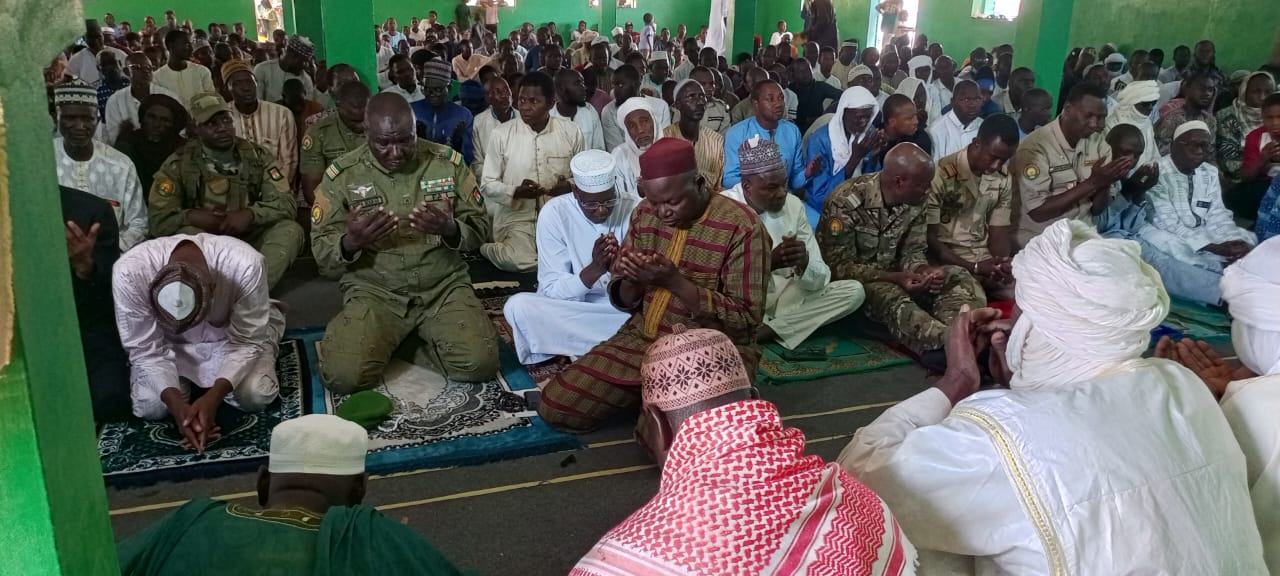
A collective prayer was held on Friday, May 1, 2026, at the Grand Mosque of the Madina neighborhood in Tillabéri, marking an alternative observance of Labour Day. This significant event, which commemorated May 1st without a traditional parade this year, was part of an initiative established by regional authorities in Tillabéri. The gathering brought together a wide array of community members for reflection on the occasion, providing a spiritual dimension to the annual commemoration of workers' rights and contributions. This approach showed a deliberate shift in how the day was observed in the region.
Community Mobilization for Prayer
Administrative and customary authorities, along with union structures and oulémas from the Tillabéri region, mobilized to participate in the collective prayer. The event was notably a weekly Friday prayer, specifically timed to coincide with the Labour Day observance, adding a layer of religious significance to the national holiday. This broad participation showed the community-wide approach to commemorating May 1st in Tillabéri, reflecting a unified decision to mark the day through spiritual reflection. The presence of such diverse groups, including key regional leaders and religious scholars, indicated a concerted effort to observe the day through solemn prayer rather than the traditional public demonstrations or parades. Colonel Maïna Boukar, the Governor of the Tillabéri region, was among the prominent figures who participated in the prayer, further noting the official endorsement and community-wide embrace of this alternative observance. His presence signaled the regional administration's deep involvement in the initiative.
Imam's Message on Work and Unity
During the collective prayer, the Imam of the Grand Mosque of Madina delivered a powerful message, emphasizing the significance of work and the key contributions of Nigerien workers to the 'Refondation' initiative. He noted the importance of these efforts in the national context, showing how diligent labor forms a cornerstone of national development and progress. The Imam stressed that the dedication of workers is indispensable for achieving the goals set forth by the 'Refondation' initiative, which aims at fundamental societal and governmental restructuring.
The esteemed religious leader also showed the core values expected of a devout Muslim, including the cultivation of peace and the promotion of social cohesion within the community. His message stressed the role of these principles in fostering a stable and harmonious society, urging attendees to embody these virtues in their daily lives and interactions. He articulated that peace and unity are not merely abstract concepts but practical necessities for collective advancement.
The Imam concluded the collective prayer by offering heartfelt invocations for peace and prosperity, extending these prayers across Niger and to the member countries of the Alliance des États du Sahel (AES). These prayers sought divine blessings for stability, economic growth, and the well-being of all citizens within these nations, reinforcing a message of regional solidarity and shared aspirations.
Context and Significance
The prayer coincided with the celebration of the 140th anniversary of Labour Day, a significant international observance that typically recognizes the historical struggles and achievements of workers. This year, in Tillabéri, the commemoration took on a distinct spiritual character. This prayer was part of an initiative already established by regional authorities and was held to commemorate May 1st, which was celebrated without a parade this year, marking a notable departure from tradition. Colonel Maïna Boukar, the Governor of the Tillabéri region, participated actively in the collective prayer. His presence showed the regional administration's direct involvement and support for this alternative Labour Day commemoration. The gathering served as a profound spiritual observance for the occasion, aligning perfectly with the regional authorities' initiative to mark May 1st differently this year. The event successfully brought together various community segments, including administrative and customary authorities, union structures, and oulémas, reflecting a truly unified and community-wide approach to acknowledging the day's profound significance through collective spiritual reflection.