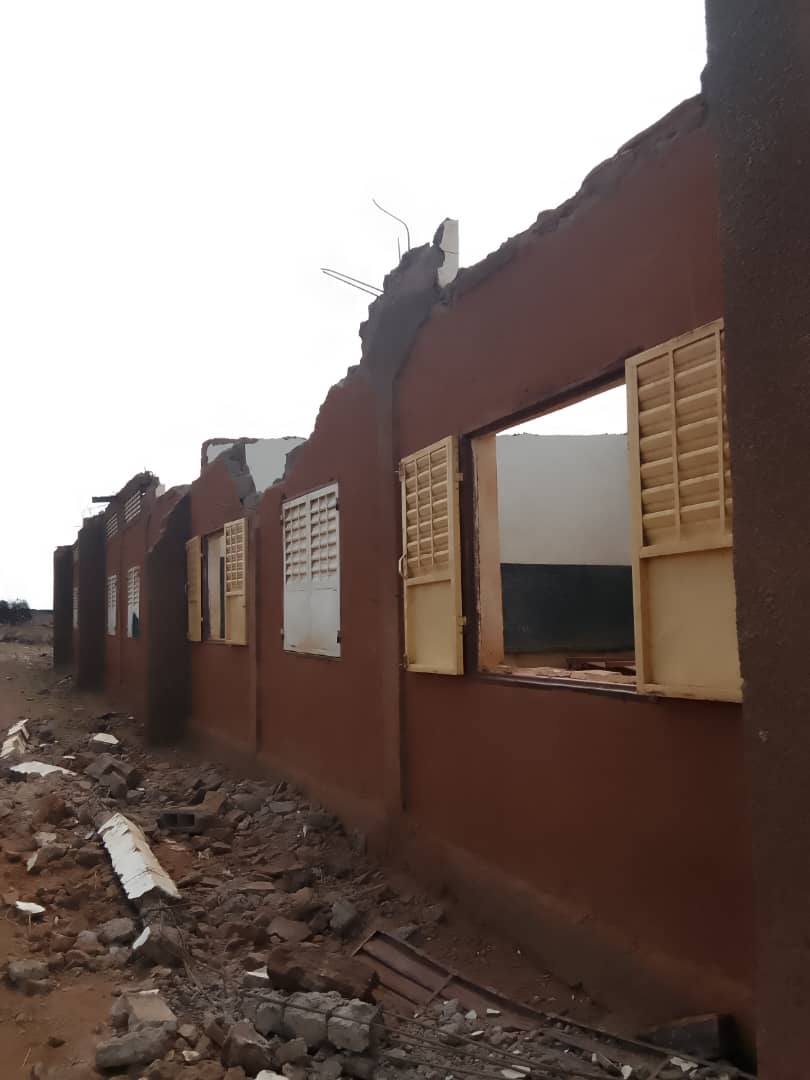
A violent rainstorm accompanied by strong winds struck the village of Garhanga, located within the Rural Commune of Garhanga, Department of Keita, in Niger's Tahoua Region, on Friday, June 5th. The severe weather event caused significant damage to local infrastructure and had a profound impact on the community. Authorities reported that nine households in the village were directly affected by the storm's impact, sustaining various forms of damage to their homes and properties. The full extent of the destruction is still being assessed following the incident, with local officials working to quantify the losses incurred by residents.
Storm Details Emerge
The storm began with rain around 6 PM local time on Friday in Garhanga, according to preliminary reports from the affected area. The precipitation was described as violent, intensifying rapidly and accompanied by powerful gusts of wind that contributed to the widespread damage. Meteorological data indicated that the rainfall measured 26 mm during the event, a significant amount for a single storm. The intensity of the precipitation, combined with strong winds, contributed to the damage across the affected areas, impacting both residential structures and agricultural assets. The sudden onset and severity of the storm caught many residents by surprise, leading to immediate challenges in protecting their property and livestock.
Impact on Community
The severe weather event resulted in additional significant material damage beyond household impacts, affecting the livelihoods of many in the rural commune. Lightning strikes during the storm were particularly devastating for local livestock, a critical economic pillar for the region. Fifty-nine small ruminants, including goats and sheep, were killed by lightning in Garhanga. This tragic loss of animals represents a substantial economic blow to the affected families in the rural commune, where livestock often serves as a primary source of income and sustenance. For many, these animals are not just assets but also a form of savings and a key resource for food security. The death of nearly sixty animals in a single event can have long-lasting repercussions on the financial stability and well-being of the affected households. Authorities continue to assess the full scope of the material damage and its long-term effects on the community, including the economic impact on families who lost their valuable livestock.
Broader Context and Response
The severe weather event in Garhanga occurred on Friday, June 5th, providing a specific timeline for the incident. This violent rainstorm and strong winds caused widespread damage across the rural commune, affecting numerous aspects of daily life. The storm's impact included significant losses for local residents, particularly in the agricultural sector, which is central to the local economy. The damage to households, coupled with the tragic loss of livestock, shows the vulnerability of rural communities to extreme weather phenomena. Local authorities and community leaders are now working diligently to assess the full extent of the damage following the event, coordinating efforts to provide assistance to those most affected. The assessment process is key for understanding the immediate needs of the community and planning for long-term recovery and resilience-building initiatives in the face of such destructive natural occurrences.