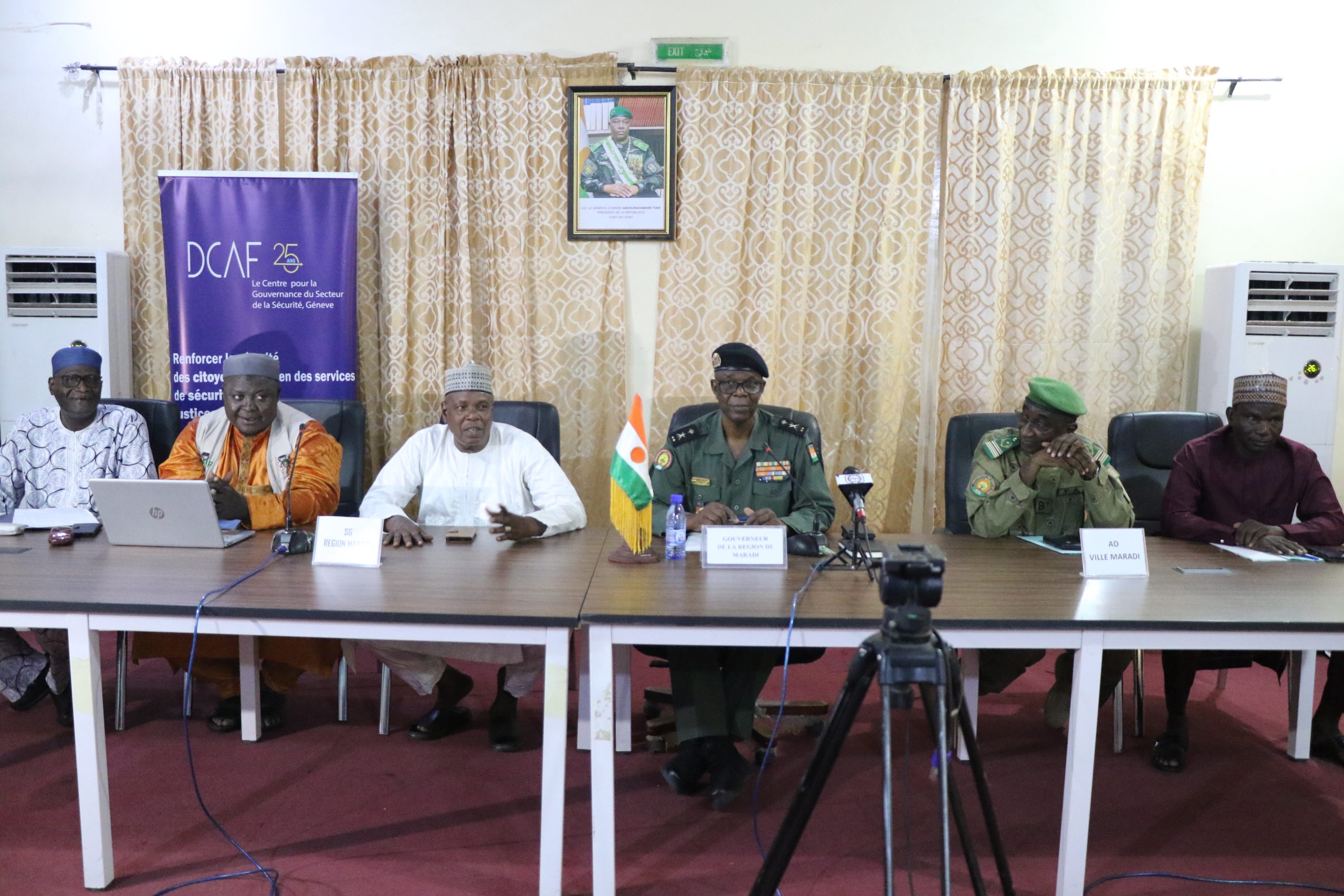
A significant workshop on International Humanitarian Law (DIH) and Human Rights was successfully held on Friday, June 5, 2026, in the distinguished meeting room of the governorate in Maradi. This key event was organized jointly by two prominent entities: the High Authority for Peace Consolidation (HACP) and the Centre for the Democratic Control of Armed Forces (DCAF). The workshop was meticulously designed to enhance understanding of critical legal frameworks, which are indispensable for fostering stability and protecting populations within the region. Its convening showed a commitment to strengthening legal literacy and promoting adherence to international norms among key community stakeholders.
Key Objectives and Focus
The primary objective of this mission was to inform a diverse array of actors from the localities of Madrounfa, Guidan Roumdji, and the city of Maradi regarding the fundamental principles and applications of International Humanitarian Law (DIH) and Human Rights. The workshop sought not only to disseminate knowledge on these vital legal frameworks but also to ensure a broader and deeper understanding among all participants. Through full discussions and interactive sessions, attendees gained invaluable insights into the principles governing humanitarian action, the protection of civilians during conflict, and the universal standards of human rights. This initiative aimed to empower local actors with the knowledge necessary to uphold these principles in their respective communities.
Participants and Scope
The workshop benefited from high-level attendance, with the Governor of the Maradi Region, Police Controller General Issoufou Mamane, presiding over the proceedings. The gathering brought together a notably diverse group of participants, meticulously selected from various sectors within Maradi and its surrounding localities, reflecting the broad impact of the topics discussed.
Attendees comprised members of the CRS, an essential component of the region's security apparatus, alongside dedicated representatives from civil society organizations actively operating in Maradi. The inclusion of women's representatives was a deliberate effort to ensure gender perspectives were integrated into the discussions. Delegated administrators, who play a key role in local governance, as well as influential religious leaders and respected customary chiefs, were active participants. This broad scope of participants was strategically designed to ensure a full dissemination of the workshop's objectives and key takeaways across different community segments, thereby maximizing its reach and potential for positive impact. The varied representation facilitated a rich exchange of perspectives and practical insights, reinforcing the collaborative spirit essential for peace consolidation.
DCAF's Regional Initiative and Commitment
The Centre for the Democratic Control of Armed Forces (DCAF) has established a strong program within the broader Sahel region, an initiative that notably includes Niger, to address themes related to international humanitarian law and human rights. This dedicated program shows DCAF's unwavering commitment to fostering a deeper understanding and practical application of these key legal frameworks among various stakeholders in the area. Through its sustained regional presence and targeted interventions, DCAF actively supports efforts to promote lasting peace and stability by enhancing adherence to established international norms and principles. The program in Niger forms an integral part of a broader, strategic effort by DCAF to strengthen democratic governance of the security sector across the entire Sahel, recognizing the critical link between security sector reform and human rights protection. This regional approach ensures that localized efforts, such as the Maradi workshop, are part of a larger, coordinated strategy for sustainable development and peace.
Broader Context and Significance for Niger
The workshop specifically addressed International Humanitarian Law (DIH) and Human Rights within the critical context of social cohesion and peace consolidation in the country. Discussions centered profoundly on how these legal frameworks contribute directly to stability, particularly given Niger's current environment, which often faces complex security and social challenges. The focus was intently placed on integrating humanitarian principles with ongoing efforts to foster unity, build trust, and strengthen peacebuilding initiatives across diverse communities. By emphasizing the practical application of DIH and Human Rights, the workshop aimed to equip participants with the tools to mitigate conflict, protect vulnerable populations, and promote a culture of respect for human dignity, all of which are vital for Niger's long-term development and security.