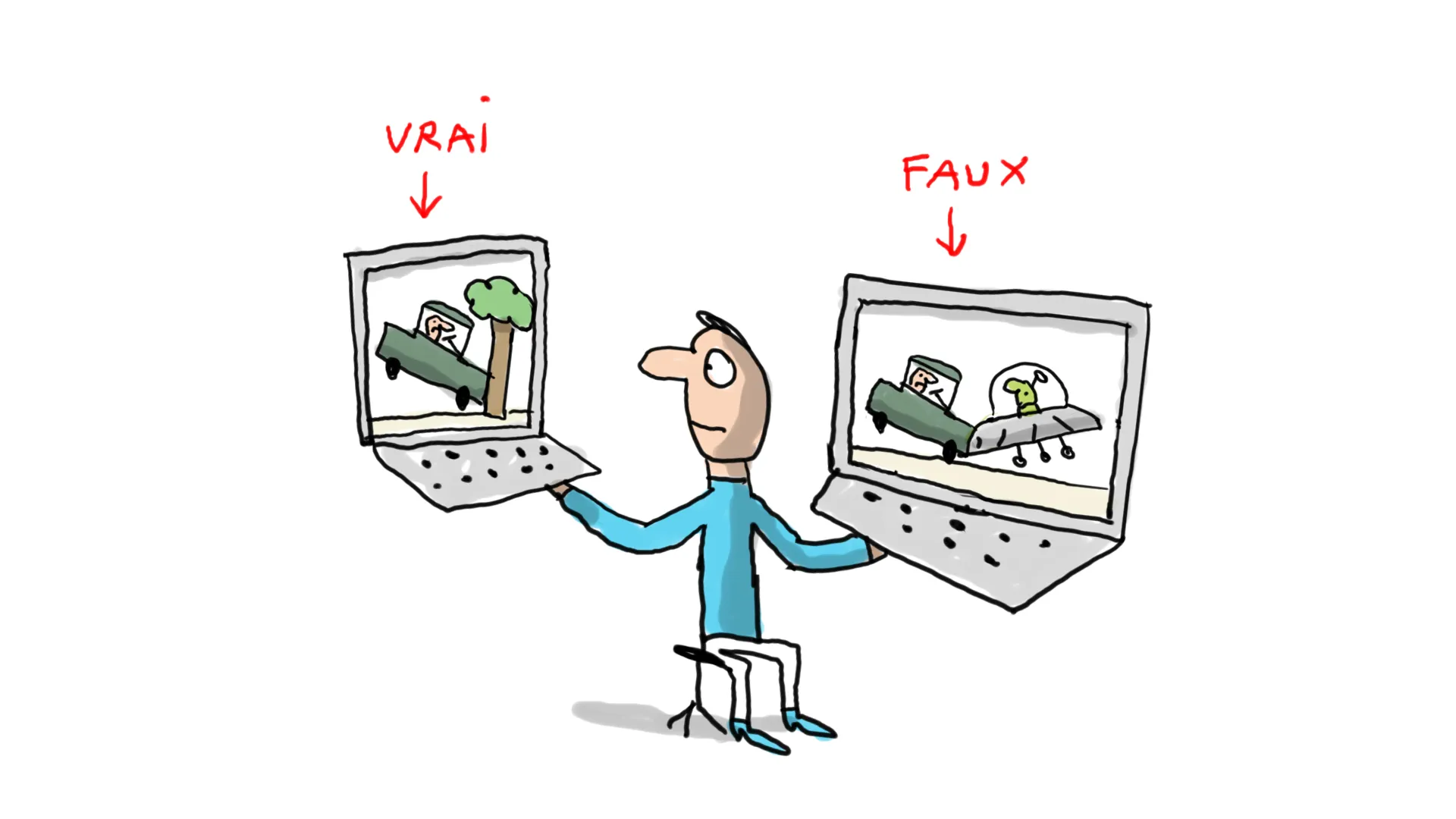
Digital media verification requires a cautious approach when audiovisual evidence lacks corroboration from established outlets. If a video cannot be authenticated by reliable sources, it should not be presented as verified. Journalists operating in regions like Niger often encounter unverified footage that circulates rapidly on social media platforms. Establishing the provenance of such content remains a primary responsibility for news organizations. Reporters must prioritize accuracy over speed to prevent the dissemination of misinformation. Verification processes typically involve cross-referencing visual landmarks, metadata, and official statements to confirm the origin of the material. Absent these indicators, the footage remains speculative and unsuitable for broadcast. Professional standards dictate that editors withhold publication until clear evidence validates the depicted events.
Identifying Original Publication Sources
Verification of digital media necessitates identifying the original publication source, which includes documenting the specific date, location, and the accompanying caption. Reporters must document where the footage first appeared to establish a timeline and determine if the content has been repurposed from a different context. The verification process involves identifying the original publication source, including date, location, and caption. By meticulously cataloging these metadata points, newsrooms can distinguish between contemporary reports and older, unrelated footage that may be circulating out of its intended chronological framework.
Performing a reverse image search serves as a primary technical step in this process. Analysts should select a clear screenshot of an identifiable scene from the video to trace the visual history of the file across different hosting platforms. Users should perform a reverse image search using a clear screenshot of an identifiable scene from the video. This search often reveals if the footage has been posted previously or if it originates from an unrelated event. Through this systematic investigation, journalists can detect whether a file has been manipulated or if its digital footprint suggests a prior existence in a different media cycle.
Analyzing visible clues within the frame provides further evidence regarding the geography of the recording. Researchers must examine signs, uniforms, weather patterns, and spoken or written language to determine the location of the video. Visible clues such as signs, uniforms, weather, and language should be analyzed to determine the location of the video. These details offer physical markers that can be cross-referenced against map data or geographic records to confirm whether the visual environment matches the reported setting. By isolating these specific environmental indicators, investigators can build a profile of the location that either supports or contradicts the claims made by the uploader.
Confirmation from independent sources provides the final layer of authentication. Verification requires seeking statements from local media outlets, official government or organizational announcements, or identifiable witnesses who can attest to the occurrence of the depicted events. Verification requires seeking confirmation from independent sources like local media, official statements, or identifiable witnesses. Relying on these sources ensures that the footage is not presented in isolation, providing a measure of accountability for the information being verified. Establishing this multi-source validation is essential for maintaining the integrity of news reporting in an increasingly complex digital landscape.