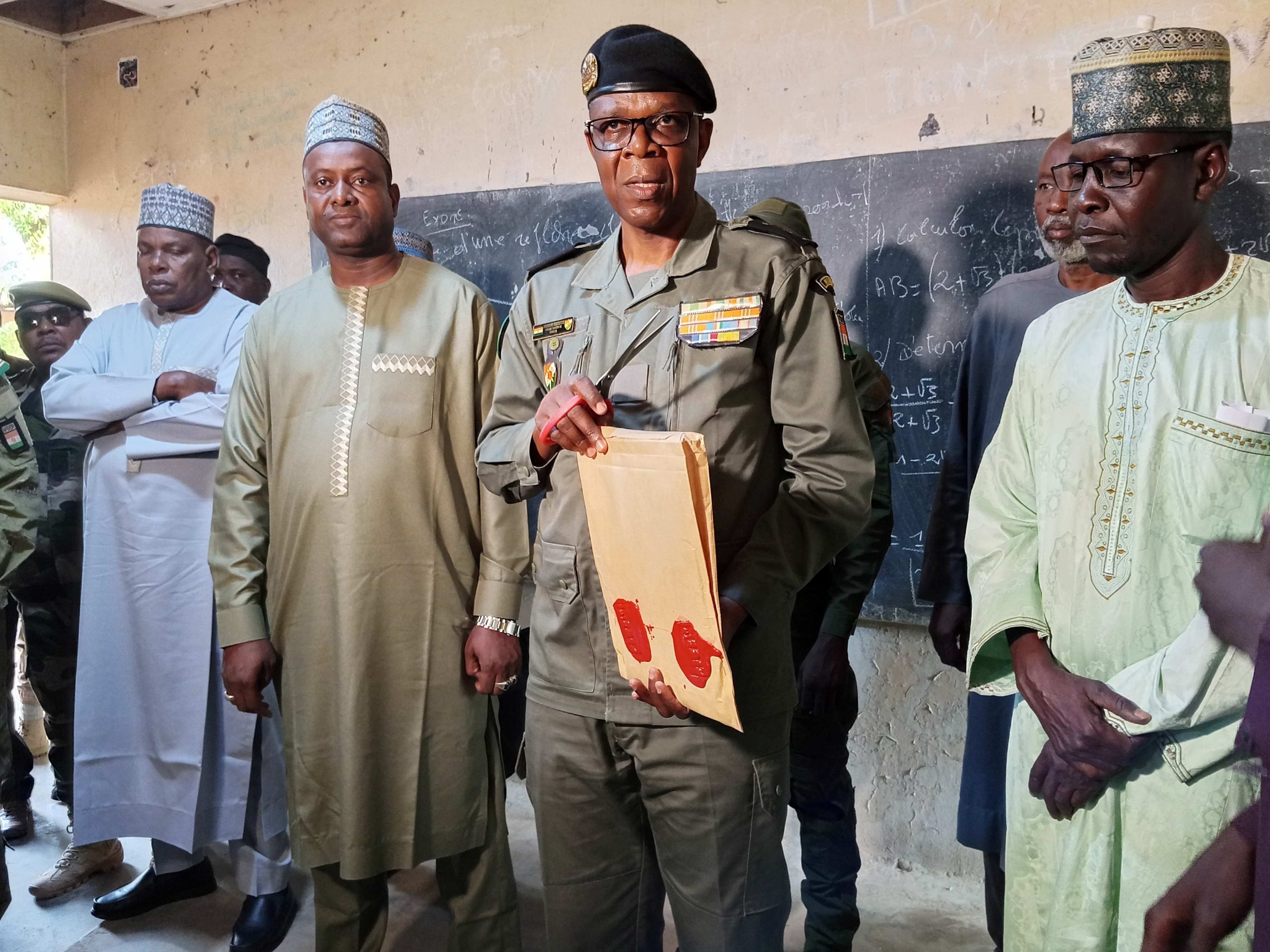
The second session of the criminal chamber of the Agadez High Court has officially opened, according to information from the Agence Nigérienne de Presse. The court in Agadez, Niger, commenced its proceedings to hear a docket of 25 criminal cases. This session marks the continuation of judicial activities for the region, addressing various legal matters. The opening ceremony, while not detailed, typically involves formal declarations by judicial officials, emphasizing the importance of justice and adherence to legal principles. Such events show the ongoing commitment of the judiciary to its mandate within the Agadez region. The court's operations are a vital part of the broader legal infrastructure designed to maintain peace and order across Niger.
Session Overview and Cases
The Agadez High Court's criminal chamber is scheduled to examine 25 cases involving various offenses during its current session. These proceedings will address a range of criminal matters brought before the court in Agadez. The exact nature of the offenses was not specified, but the caseload indicates a broad scope of judicial activity. This substantial number of cases notes the consistent demand for legal resolution within the region and the court's role in addressing these needs. The session's agenda reflects the ongoing efforts of the judiciary to process criminal complaints and ensure legal due process in the region. Each of the 25 cases represents a distinct legal challenge, requiring careful consideration by the court. The court typically handles cases ranging from minor infractions to more serious crimes, ensuring that all legal procedures are followed as stipulated by Nigerien law. This includes adherence to procedural rules for evidence collection, witness testimony, and defendant rights. Judicial oversight of these cases is essential for maintaining order and upholding justice within the community. The court's proceedings are expected to continue for a defined period, during which each of the 25 cases will be individually heard and deliberated. This structured approach allows for a thorough review of evidence and testimonies presented by both the prosecution and defense. The resolution of these cases will contribute to the broader legal framework and judicial record in Agadez. The court's capacity to handle such a volume of cases shows its operational capabilities and commitment to its mandate. The outcomes of these trials will be closely observed as the session progresses, providing clarity on legal interpretations and enforcement. The efficient processing of these cases is key for preventing backlogs and ensuring timely justice for all parties involved. This dedication to judicial efficiency reinforces public trust in the legal system.
Context of Judicial Proceedings
The judicial session in Agadez is part of the ongoing legal processes within Niger, where courts regularly convene to address criminal matters. The proceedings are designed to ensure adherence to national legal frameworks and uphold justice for individuals accused of crimes, as well as for victims. Such court sessions are a fundamental component of the country's legal system, providing a platform for the resolution of disputes and the enforcement of laws. The Agadez High Court, like others across Niger, operates under established judicial protocols that govern how cases are presented, heard, and decided. These protocols are meticulously followed to ensure fairness and impartiality in every judgment. The legal system in Niger is structured to provide multiple avenues for appeal, further ensuring that justice is served.
These sessions often involve a range of stakeholders, including prosecutors, defense attorneys, and court officials, all working within the parameters of Nigerien law. Each of these roles is critical to the functioning of the judicial process, from presenting evidence to ensuring legal representation for defendants. The operational procedures typically include preliminary hearings, presentation of evidence, witness testimonies, and deliberations by judges. These stages are vital for a full examination of each case. The aim is to ensure fair trials and due process for all parties involved, reflecting the judiciary's commitment to transparency and accountability. The judges, as arbiters of law, play a key role in interpreting statutes and applying them to the specific facts of each case. The outcomes of these cases contribute to the broader legal precedents and judicial records maintained by the state. These records serve as references for future legal proceedings and contribute to the evolution of legal interpretation. This continuous cycle of judicial activity is vital for maintaining social order and public trust in the legal institutions of the region. The court's role extends to interpreting laws and applying them to specific circumstances, thereby reinforcing the rule of law. The consistent application of justice across various cases helps to establish a predictable and reliable legal environment, which is essential for societal stability and development. The judicial process also serves as a critical check on other branches of government, upholding constitutional principles and individual rights.
Legal and Societal Implications
The opening of the criminal session at the Agadez High Court, with its docket of 25 cases, carries significant legal and societal implications for the region of Agadez in Niger. Such judicial proceedings serve as a key mechanism for upholding the rule of law and maintaining public order. The court's active role in addressing criminal matters reinforces the state's commitment to justice and accountability, which can be essential for fostering trust within the community. This commitment is demonstrated through the diligent handling of each case, ensuring that all legal avenues are explored and due process is observed. When courts effectively process cases, they contribute to a sense of security and deter future criminal activity by demonstrating that infractions will be addressed. The swift and fair resolution of cases sends a clear message that unlawful behavior will not be tolerated, thereby strengthening the social fabric.
The resolution of these 25 cases will have direct impacts on the individuals involved, including victims and defendants, as well as broader effects on local governance and societal norms. For victims, the court provides an avenue for redress and a sense of closure, while for defendants, it offers the opportunity for a fair hearing and, if convicted, appropriate sentencing. Legal decisions made in the High Court often set precedents or clarify interpretations of existing laws, which can influence future judicial outcomes and legal practices. These precedents are key for ensuring consistency and predictability in the application of the law across the region. The transparency of court proceedings, where applicable, also allows the public to observe how justice is administered, thereby contributing to civic education and public confidence in the judicial system. Public access to court information, within legal limits, fosters accountability and reduces perceptions of corruption.
From a societal perspective, the type and volume of cases heard can offer insights into prevailing challenges within the Agadez region. While specific details of the 25 cases were not provided, the court's consistent activity suggests an ongoing need for formal legal intervention to resolve disputes and prosecute offenses. The nature of crimes brought before the court can reflect underlying social issues, economic pressures, or community conflicts that require judicial attention. The judicial process itself, involving investigations, trials, and sentencing, can serve as a restorative element within society, aiming to rectify wrongs and rehabilitate offenders where appropriate. This restorative aspect is critical for reintegrating individuals into society and addressing the root causes of criminal behavior. The sentences handed down by the court, whether punitive or rehabilitative, are designed to serve both justice and the broader interests of society.
The Agadez High Court's continued functioning in processing a substantial number of cases notes its operational capacity and its role as a central pillar of the justice system in this part of Niger. The consistent scheduling of criminal sessions demonstrates the judiciary's dedication to its functions, even in potentially challenging circumstances. The outcomes of these sessions are critical not only for the immediate parties but also for the long-term legal framework and social stability of Agadez. Each case contributes to the judicial record and reflects the evolving legal landscape of the region, as reported by the Agence Nigérienne de Presse. The court's ability to manage this caseload effectively is a testament to the strength and resilience of Niger's legal institutions in ensuring that justice is accessible and consistently applied throughout the country.