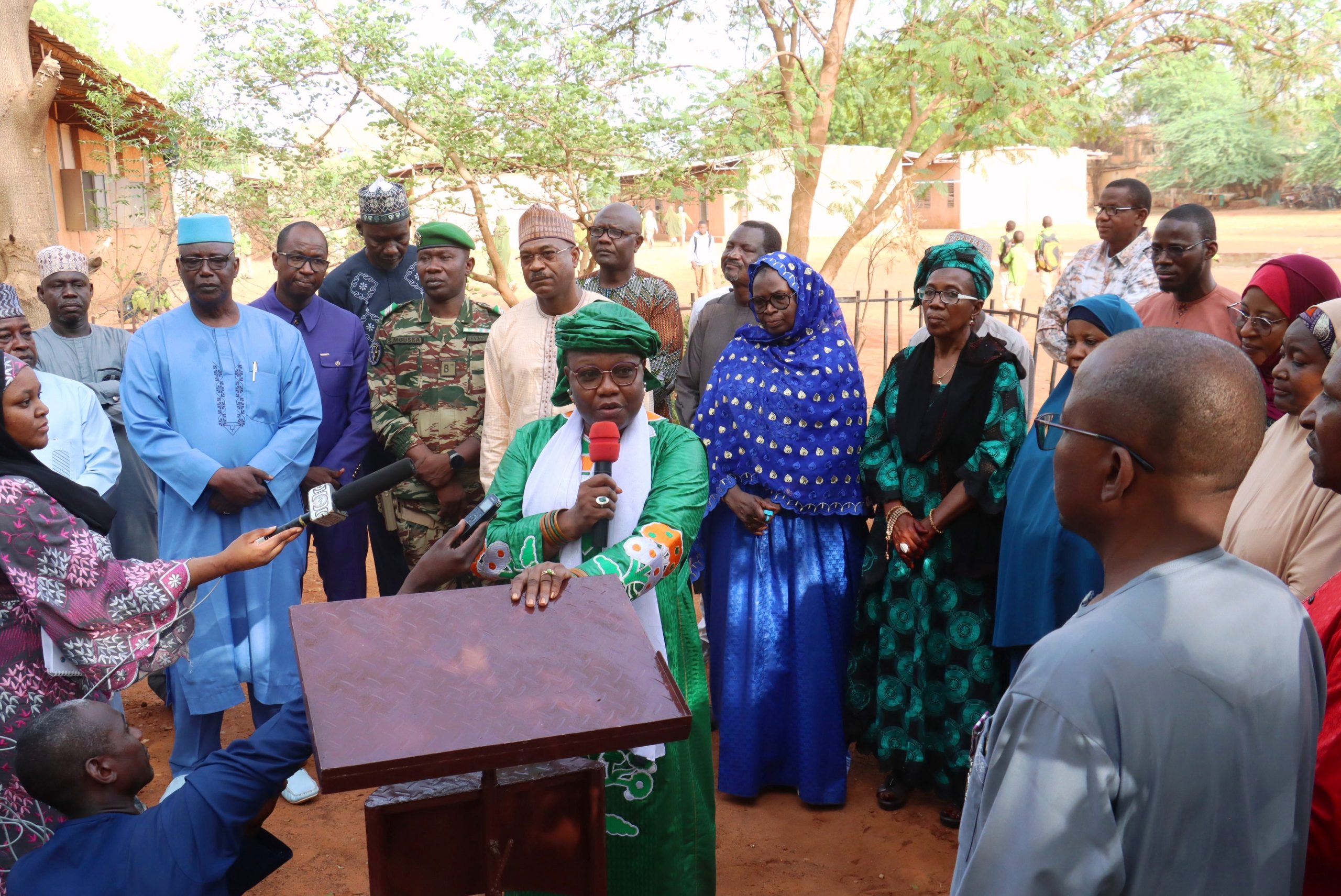
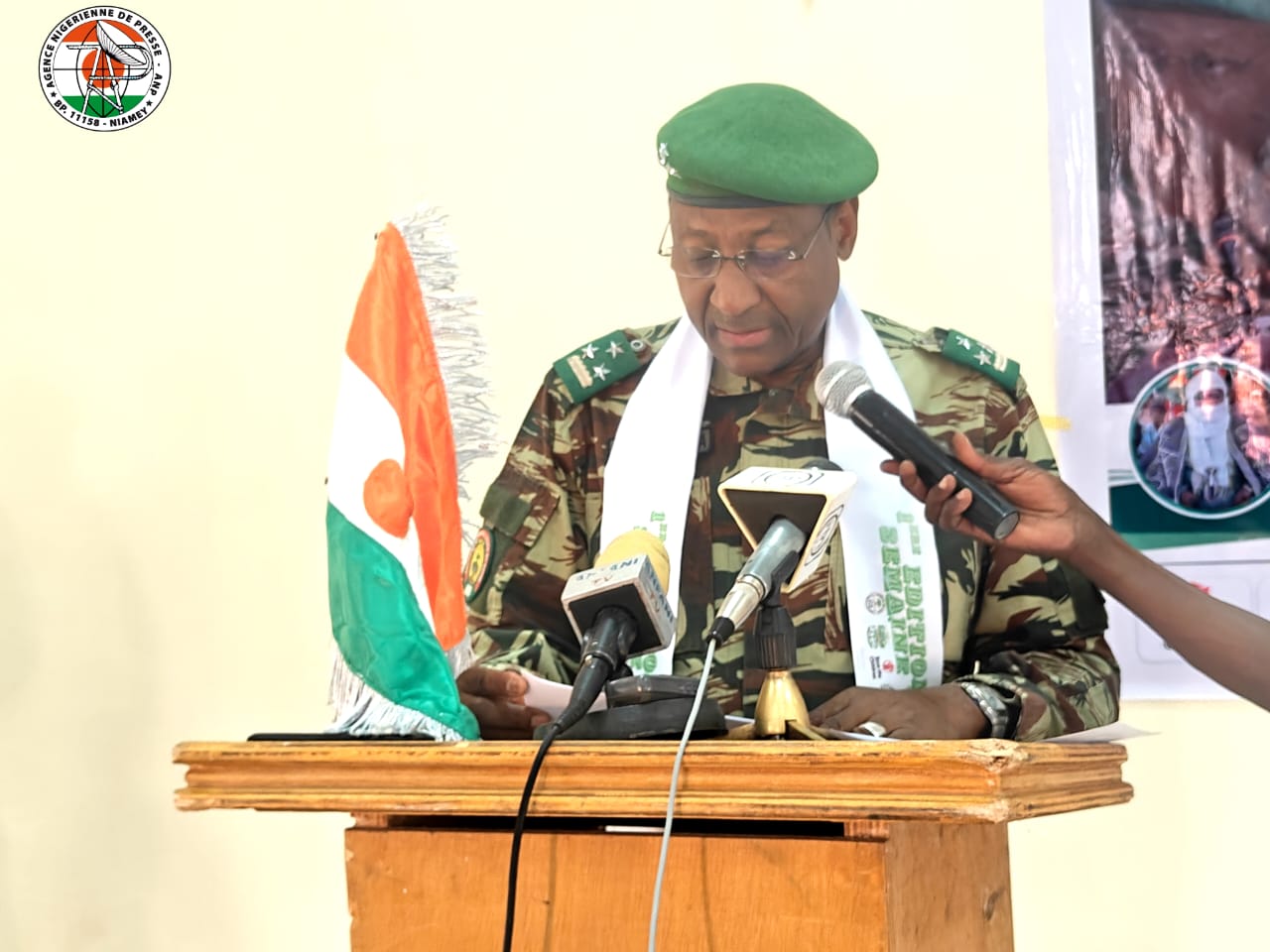
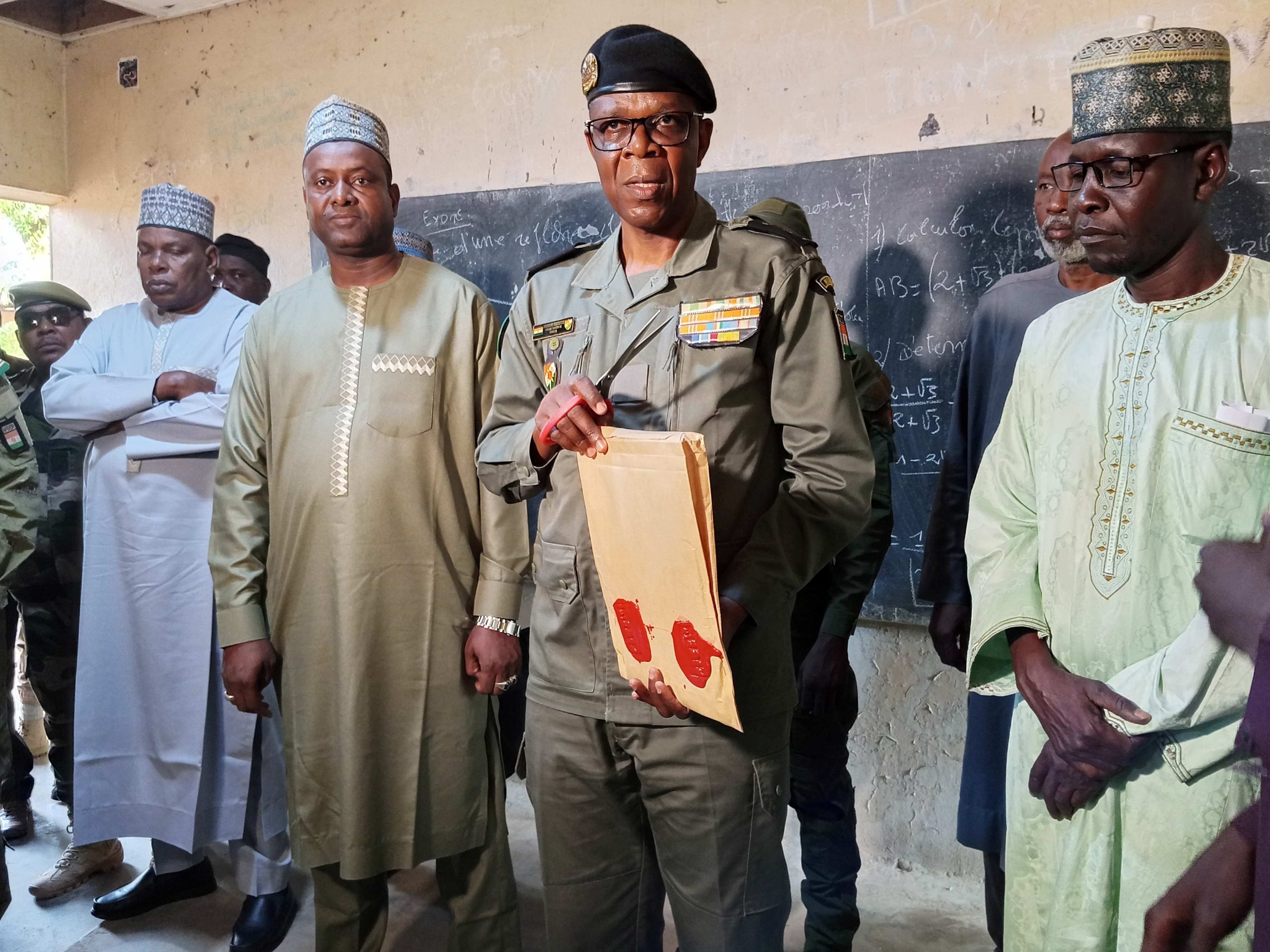
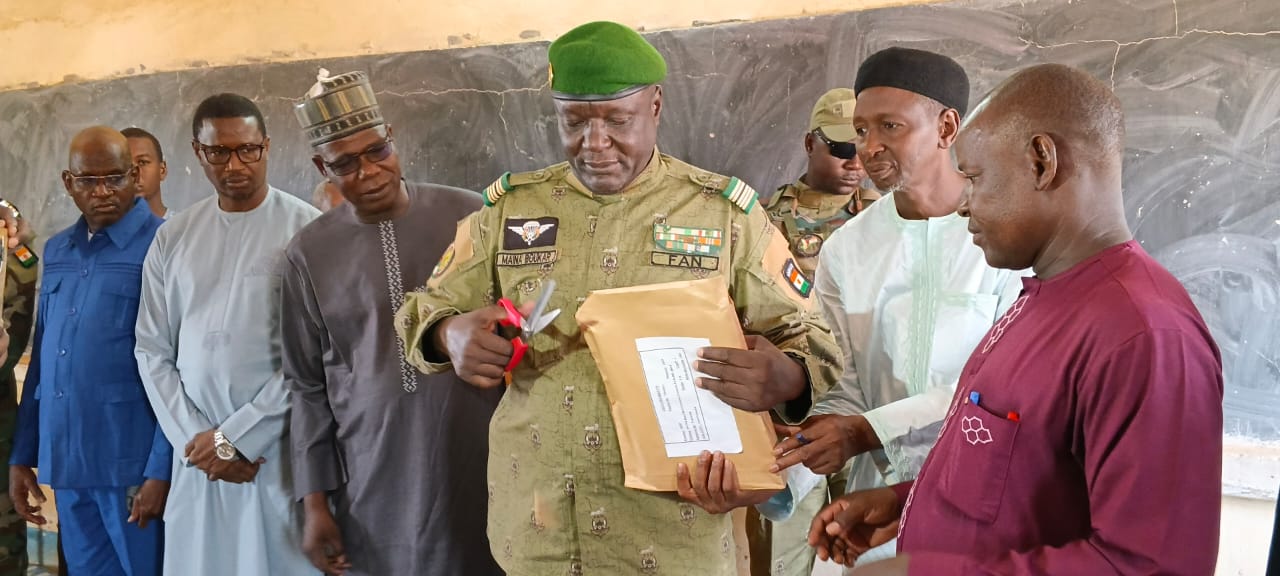
An official administrative census for the city of Tahoua, Niger, has been launched, marking the commencement of a key data collection initiative. The official launch of the administrative census for the city of Tahoua occurred, signifying a key moment for urban development and governance in the region. This formal initiation shows the commitment of local authorities to gather strong and reliable data. The census aims to gather full demographic and socio-economic information within the urban area, providing essential data for local governance and planning efforts. This undertaking is expected to facilitate a more accurate understanding of the population's composition and needs, supporting the development and implementation of various administrative programs across Tahoua. The results of this extensive data collection will serve as a cornerstone for future policy formulation and resource allocation, ensuring that interventions are well-informed and targeted.
Census Objectives and Scope
The administrative census in Tahoua, Niger, is designed to generate a precise demographic profile of the city's inhabitants. It will collect data on population size, age distribution, gender, and household structures. This detailed information is considered vital for effective urban planning and resource allocation within Tahoua. Understanding the exact number of residents, their distribution across different age groups, and the typical household composition allows planners to anticipate future demands on public services and infrastructure. The scope of the census extends to understanding the socio-economic conditions prevalent across different neighborhoods and communities, providing a granular view of the city's diverse landscape.
Data gathered will include details on housing, access to basic services such as water and electricity, and educational attainment levels. For housing, the census will document types of dwellings, occupancy rates, and the materials used in construction, which are critical indicators of living standards. Information on access to fundamental utilities like potable water, sanitation facilities, and reliable electricity supply will highlight disparities and areas requiring urgent attention. Educational attainment levels, from primary schooling to higher education, will provide insights into the human capital available and identify gaps in educational provision. Economic activities and employment statuses of residents are also part of the survey, detailing sectors of employment, unemployment rates, and income-generating opportunities. Officials expect these full statistics to inform policy decisions, particularly in sectors like public health, education, and infrastructure development. The census aims to provide a reliable baseline for monitoring progress on various administrative initiatives, allowing for a clear assessment of the impact of implemented programs. It will enable authorities to identify areas requiring specific interventions and to tailor programs to the actual needs of the population, moving beyond general assumptions to evidence-based strategies. The information will also support the equitable distribution of government services and development projects throughout the urban area of Tahoua, ensuring no community is left behind.
Context and Significance
The administrative census in Tahoua represents a significant undertaking for local governance and development planning within the city. Such data collection initiatives are foundational for understanding the demographic landscape and socio-economic realities of urban centers. In many regions, accurate and up-to-date population statistics are key for allocating resources effectively, designing public services, and formulating policies that address the specific needs of residents. The absence of precise data can lead to misdirected efforts and inefficient use of limited resources, often resulting in programs that fail to meet their intended goals or exacerbate existing inequalities. This census, therefore, is not merely a statistical exercise but a strategic investment in the future well-being and sustainable growth of Tahoua.
By establishing a full database of Tahoua's population, the census aims to provide a clear picture of the city's inhabitants, their living conditions, and their economic activities. This information can inform decisions across various sectors, including urban infrastructure, public health, education, and social welfare programs. For instance, detailed demographic breakdowns can help identify areas with high concentrations of school-aged children, guiding the placement of new educational facilities, or pinpoint neighborhoods lacking adequate access to healthcare, prompting targeted interventions. The data can also reveal patterns of migration within the city, informing urban planning regarding housing demand and public transport routes. Understanding the economic profile of different areas can guide vocational training programs and local economic development initiatives.
The significance of this census extends to its role in fostering more equitable development. With reliable data, authorities in Tahoua can better assess disparities in access to basic services and opportunities across different communities within the city. This allows for the identification of vulnerable populations and the design of programs specifically tailored to bridge existing gaps. For example, areas with higher rates of poverty or lower educational attainment can be prioritized for social protection programs or initiatives aimed at improving literacy and skills. An accurate population count is often essential for administrative purposes, including electoral districting and the fair distribution of national and international aid, ensuring that political representation and humanitarian assistance accurately reflect the population's distribution. This ensures transparency and accountability in governance.
Monitoring urban growth and planning for future expansion also relies heavily on current and projected demographic trends. The data gathered from this census will serve as a baseline for tracking changes over time, enabling officials to anticipate future demands on infrastructure and services. As Tahoua continues to develop, understanding population shifts, such as rural-to-urban migration patterns or changes in birth rates, becomes key for long-term planning. This proactive approach to urban management is vital for sustainable development in a rapidly evolving urban environment like Tahoua, allowing the city to adapt to new challenges and opportunities. The initiative reflects a commitment to evidence-based policy-making, ensuring that decisions are grounded in the realities of the local population rather than assumptions or outdated information. It empowers local government to make informed choices that directly benefit its citizens.
Implementation Strategy
The administrative census in Tahoua is structured to ensure full coverage across the urban area. It involves a multi-phased approach, beginning with detailed mapping and demarcation of enumeration areas to prevent overlaps and omissions. This initial phase is key for creating a systematic framework for data collection, ensuring that every household and individual within the city's administrative boundaries is accounted for. Local authorities, in collaboration with technical partners, are responsible for defining the precise boundaries each census agent will cover, using geographical information systems (GIS) and updated urban maps to delineate these zones accurately. This preparatory stage is critical for establishing an organized and efficient data collection process within the city's diverse neighborhoods, from densely populated commercial centers to residential outskirts.
Following the demarcation, a significant recruitment and training effort is underway for census agents. These agents are tasked with directly engaging with households and individuals, gathering the required demographic and socio-economic data. The recruitment process aims to select individuals with strong communication skills and local knowledge, fostering better interaction with residents. Training programs emphasize standardized data collection protocols, ensuring uniformity and accuracy in the information gathered across all enumeration areas. This standardization is vital for the comparability and reliability of the aggregated data. Agents are also instructed on ethical considerations, including data privacy and confidentiality, to build trust within the community and encourage participation. They are taught how to handle sensitive information responsibly and to explain the purpose of the census clearly to residents. The training aims to equip them with the necessary skills to handle various situations encountered during fieldwork, such as language barriers or reluctance to participate, and to accurately record responses, often using digital tools for efficiency.
The census utilizes a structured questionnaire designed to capture a broad range of information relevant to urban planning and service delivery. This includes details on household composition, age, gender, educational attainment, employment status, and access to essential services such as water, sanitation, and electricity. The questionnaire is carefully formulated to be full yet concise, minimizing the burden on respondents while maximizing data utility. Data collection methods involve direct interviews with household heads or responsible adult members, conducted respectfully and efficiently. To facilitate the process and ensure accessibility, the census is conducted during hours convenient for residents, including evenings and weekends, to maximize the chances of finding household members at home and available for interview. This flexible approach acknowledges the daily routines of Tahoua's residents.
Data validation and processing form a subsequent key phase of the implementation strategy. Collected data undergoes rigorous checks for completeness and consistency to minimize errors. This involves both manual verification by supervisors in the field and digital processing techniques, including automated checks for logical inconsistencies and outliers. Any discrepancies are flagged and resolved, often requiring revisits by agents to clarify information. The ultimate goal is to compile a reliable and accurate database that can serve as a foundational resource for various government departments and development organizations operating in Tahoua. This strong database will be instrumental for evidence-based decision-making across all levels of local administration. The Agence Nigérienne de Presse is monitoring the rollout, noting the importance of this statistical endeavor for local governance and its potential to significantly impact the city's future trajectory.
Looking Ahead
The full data collected during the administrative census in Tahoua is expected to serve as a foundational resource for future development initiatives. Officials anticipate the detailed statistics will inform policy decisions across various sectors, including urban infrastructure, public health, and education, for years to come. This wealth of information will enable a more nuanced understanding of the city's challenges and opportunities, moving beyond broad generalizations to specific, data-driven insights. The Agence Nigérienne de Presse has noted the significance of this statistical undertaking for local governance, emphasizing its role in promoting evidence-based policy-making and fostering greater accountability.
Authorities plan to utilize the census results to identify specific needs within the city's diverse neighborhoods and allocate resources more effectively and equitably. This data will allow for the prioritization of projects in areas with the greatest need, ensuring that investments yield maximum benefit for the population. This data will also be key for monitoring urban growth and planning for future expansion, allowing for a proactive approach to city management that anticipates demographic shifts and infrastructure demands. The project aims to establish a reliable baseline for tracking changes over time, ensuring that future interventions are tailored to the realities of the local population in Tahoua and can be adjusted as circumstances evolve. The long-term impact of this census is expected to be profound, contributing to a more sustainable, equitable, and well-managed urban environment for all residents of Tahoua.