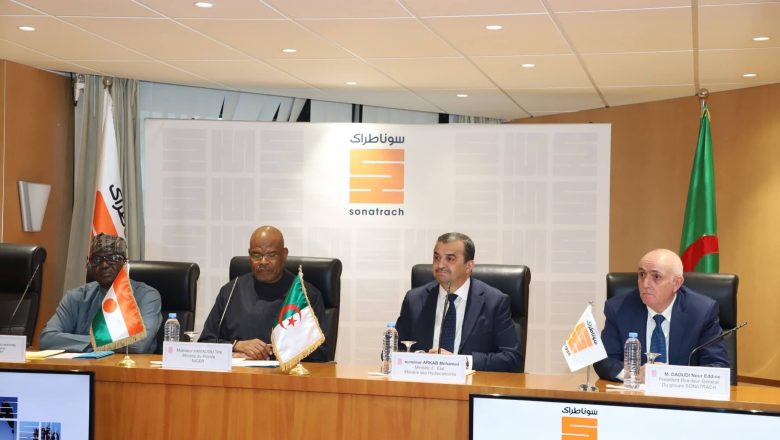
Algerian Prime Minister Sami Grieb traveled to Niger on Wednesday, June 3, 2026, for an official visit. The trip comes as Algeria strengthens its diplomatic and economic ties with its southern neighbor, including the recent gift of a 40 MW power plant to Niger. Grieb's visit notes the growing cooperation between the two nations, particularly in the energy sector, which is key for Niger's development. This engagement shows Algeria's commitment to supporting stability and infrastructure development in the Sahel region, fostering stronger bilateral relations. The People's Democratic Republic of Algeria formally offered the 40-megawatt power plant to Niger, marking a significant step in their bilateral relationship.
Diplomatic Visit and Inauguration
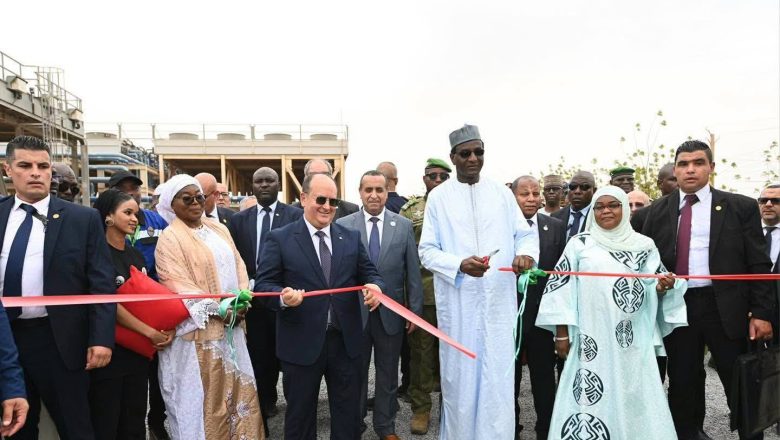
During the visit, Algerian Prime Minister Sami Grieb inaugurated a 40-megawatt (MW) power plant in Niamey. This event marks a significant point in the bilateral relations between Algeria and Niger. The inauguration of the power plant comes as Sami Grieb made his second visit to Niger within a short timeframe, showing the high priority Algeria places on its relationship with its southern neighbor. His presence showed the ongoing efforts to strengthen cooperation between the two North African nations. The power plant project represents a tangible outcome of these diplomatic engagements, aimed at supporting Niger's energy infrastructure and contributing to its development goals. The visit by Prime Minister Grieb on Wednesday, June 3, 2026, reinforced the direct engagement between the two countries' leadership.
Context of Energy Needs
Niger is currently experiencing significant challenges regarding its energy supply, a factor that shows the importance of the new power plant. This situation notes the country's pressing need for reliable and increased electricity generation capacity to meet the demands of its population and economy. The 40-megawatt capacity of the new plant is expected to provide a substantial boost to the national grid. In response to regional dynamics and specific needs such as those in Niger, Algeria has initiated a pragmatic strategy. This approach, which observers describe as 'megawatt diplomacy', involves utilizing its energy resources and expertise to foster diplomatic ties and support infrastructure development in neighboring nations. The strategy aims to address critical energy deficits while simultaneously strengthening Algeria's influence and partnerships within the Sahel region. This initiative reflects Algeria's broader commitment to regional stability and economic development through practical, impactful projects.
Symbolic Gift and Future Ties
The 40-megawatt power plant was formally presented by the People's Democratic Republic of Algeria to Niger. This gesture is seen as a tangible demonstration of Algeria's commitment to supporting its neighbor's development and addressing its critical energy needs. The plant, inaugurated in Niamey by Algerian Prime Minister Sami Grieb, is expected to significantly bolster Niger's electricity generation capacity, providing a much-needed increase in power supply. The offering represents a key element in Algeria's broader strategy of regional engagement, aiming to foster stability and strengthen bilateral relations through infrastructure support. This initiative aligns with Algeria's efforts to utilize its resources to address critical energy deficits in the Sahel region while cultivating stronger partnerships. The strategic gift of the power plant is a clear indicator of Algeria's intent to play a constructive role in the region.
Official Reaction and Regional Dynamics
The 40-megawatt (MW) power plant capacity offers a boost to Niger, which has recently reorganized its regional alliances within the Alliance des États du Sahel (AES). This regional realignment adds another layer of significance to Algeria's diplomatic and economic overtures. The energy support from Algeria comes at a key time for Niger, as it navigates both internal development challenges and evolving regional partnerships. The provision of such vital infrastructure by Algeria is perceived as a strong sign of solidarity and a commitment to long-term cooperation, potentially influencing regional dynamics. This strategic move by Algeria notes the growing importance of energy security and infrastructure development in fostering stability and alliances in the Sahel.