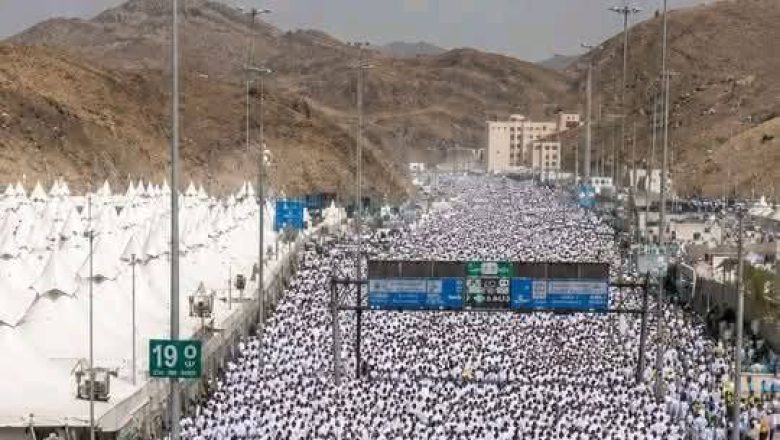
On the sacred day of Arafat, millions of pilgrims from across the globe gathered on the plain of Arafat, located about twenty kilometers from Mecca. The plain transformed into a white ocean of fervor as participants performed the Hajj's most key ritual: the standing vigil, known as Wuquf. This central observance is considered the pinnacle of the annual pilgrimage, drawing believers from all corners of the globe to partake in this profound spiritual journey. The sheer scale of the gathering shows its immense importance in the Islamic faith, as the plain of Arafat becomes a temporary spiritual hub for humanity.
Spiritual Significance and Rituals
The Prophet Muhammad summarized the importance of this day with the famous saying: "Le Hajj, c’est Arafat," emphasizing its central role in the pilgrimage. This declaration notes that without this critical step, the entire pilgrimage is considered invalid, showing its foundational nature within the Hajj rituals. Throughout the day, pilgrims remain on the plain of Arafat, often standing or seated, with hands raised towards the sky. During this time, they engage in prayer, invocation, and meditation, focusing on spiritual reflection and seeking divine mercy. This vigil is the spiritual core of the Hajj, marking a moment of profound introspection and devotion for millions of believers. The act of standing or sitting, with hands uplifted in supplication, symbolizes humility and complete reliance on God, a central theme of the Day of Arafat. It is a time for deep personal reflection, seeking forgiveness, and renewing one's commitment to faith.
Logistical and Human Challenges
Pilgrims, including men wearing the ihram, two smooth white pieces of fabric, converge towards the plain of Arafat and the Mount of Mercy (Jabal al-Rahmah). The ihram symbolizes purity and equality among all pilgrims, regardless of their social status or origin. This convergence marks the culmination of their journey to this sacred site. The standing vigil on the plain takes place under extreme summer temperatures, often nearing 45 to 50 °C. These challenging conditions expose pilgrims to constant risks of sunstroke, severe dehydration, and heatstroke during the key ritual. The intense heat necessitates careful preparation and constant vigilance from both pilgrims and support staff. The proximity of millions of people, concentrated on the defined plain of Arafat, generates intense fatigue among participants. This fatigue is further exacerbated by jostling and significant crowd management challenges that arise during movements throughout the day, particularly as pilgrims navigate the dense crowds. The logistical coordination required to manage such a vast number of people in extreme conditions is immense, involving extensive planning for water distribution, medical aid, and emergency services to ensure the safety and well-being of all participants.
Concluding the Vigil
At sunset, the plain of Arafat begins to gradually empty as millions of pilgrims conclude their key vigil. This departure signifies the successful completion of the most vital part of the Hajj. They then commence their journey towards Muzdalifah, the next stage of the Hajj pilgrimage. This movement marks the transition from the day of intense spiritual reflection on Arafat to the subsequent rituals of the pilgrimage. The departure from the plain is a carefully managed process, guiding the vast crowds safely towards their next destination under the supervision of authorities. This transition is a critical logistical undertaking, requiring precise coordination to facilitate the movement of such a massive number of people efficiently and safely, ensuring pilgrims can continue their spiritual journey without undue delay or risk.
Broader Context and Meaning
Islamic theology considers the Day of Arafa a day for the expiation of sins and the acceptance of vows. This belief imbues the day with immense spiritual significance, offering a unique opportunity for spiritual cleansing and renewal. Millions of Muslims in their respective countries participate in this holy day by fasting, an act believed to erase the sins of the past and coming year. This widespread participation, even by those not physically present at Arafat, notes the universal spiritual importance of the day across the global Muslim community. The fasting and prayers observed worldwide on this day are a testament to the collective spiritual aspiration and unity of Muslims, all seeking divine mercy and forgiveness in solidarity with the pilgrims on the plain of Arafat.