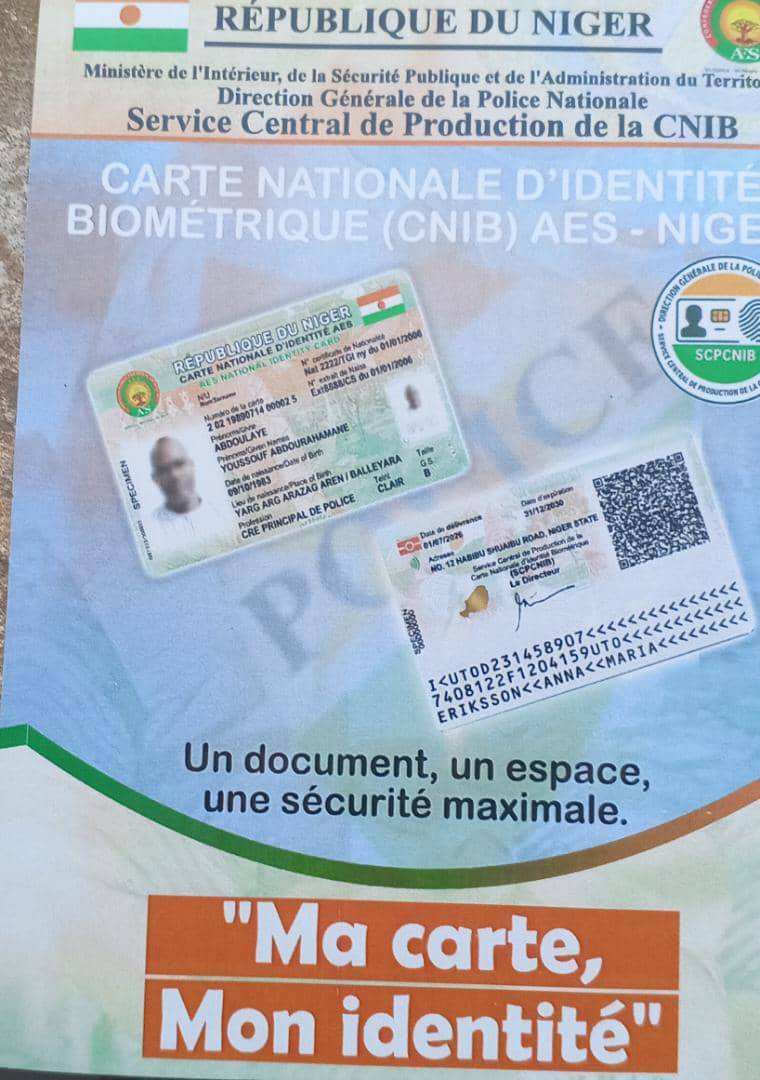
The issuance of biometric national identity cards in the Tahoua Region is scheduled to officially commence on Monday, September 7, 2026. This initiative marks a significant step in the region's efforts to establish a modern identification system, aiming to enhance both security and administrative efficiency. The rollout will facilitate enhanced security and administrative processes for residents, providing a strong and verifiable means of identification for all citizens within Tahoua. This full project is expected to have a broad impact on public services, governance, and the overall security landscape of the region.
Launch Details and Timeline
The implementation phase for the biometric national identity cards in Tahoua will begin with a structured approach to ensure broad coverage and efficient processing for residents. Initial deployment efforts are set to focus on key administrative centers within the region, where dedicated registration points will be established. These centers are anticipated to handle a significant volume of applications during the preliminary stages of the rollout, serving as key hubs for the initial phase of data collection and card issuance. The careful planning behind this initial phase is designed to iron out any potential operational challenges before expanding to a wider geographical area.
Authorities have indicated that the process will involve several steps for each applicant, including biometric data capture, such as fingerprints and facial recognition scans, alongside the verification of existing identification documents. This multi-layered verification is designed to enhance the security and integrity of the new national ID system, minimizing the risk of fraud and ensuring the accuracy of individual records. The capture of unique biological characteristics provides an unparalleled level of authentication, making the new cards highly secure. The integration of existing identification documents into the verification process ensures a smooth transition and cross-referencing with established records. Training programs for personnel involved in the registration process have been a critical component of the preparation, aiming to standardize procedures and minimize processing delays. These extensive training modules cover technical aspects of the biometric equipment, data entry protocols, customer service best practices, and strict adherence to data privacy regulations, ensuring a professional and efficient experience for all applicants.
The timeline for the full regional rollout is projected to extend over several months, with subsequent phases expanding to more remote areas of Tahoua. This phased approach aims to address logistical challenges inherent in reaching diverse populations and geographical locations within the region, from bustling urban centers to sparsely populated rural communities. It allows for a gradual scaling up of operations, ensuring that resources are allocated effectively and that lessons learned from earlier phases can be applied to subsequent ones. Public awareness campaigns are also expected to precede each phase of expansion, informing residents about the necessary documentation and the benefits of obtaining the new biometric card. These campaigns will utilize local media, community outreach programs, and public forums to disseminate information effectively, ensuring that all eligible residents are well-informed and prepared for the registration process. The communication strategy is designed to reach every corner of the region, emphasizing the importance and accessibility of the new identification system.
Regular progress assessments are planned to monitor the efficiency of the registration sites and to address any operational issues that may arise. These assessments will involve collecting data on processing times, applicant feedback, and equipment performance. Feedback mechanisms will be in place to allow for continuous improvement of the process, ensuring that the system remains responsive to the needs of the population and any unforeseen challenges. This adaptive management approach is key for the successful implementation of such a large-scale initiative. The overarching goal is to ensure that all eligible residents in Tahoua can acquire their biometric national identity cards in a systematic and accessible manner, contributing to the broader objective of establishing a modern and secure identification framework across the region. The project leadership has emphasized the importance of a smooth and orderly transition to the new system, noting its foundational role in future administrative and security initiatives, including electoral processes, social welfare distribution, and public safety efforts.
Tahoua Region Availability
The biometric national identity card will be available across all police stations in the Tahoua region, ensuring widespread access for residents. This strategic distribution aims to facilitate the registration process by leveraging existing governmental infrastructure throughout the area, making the service readily accessible to a broad segment of the population. The decision to utilize police stations as primary issuance points shows an effort to integrate the new identification system into established public service networks, thereby enhancing convenience and efficiency for applicants. This approach is expected to streamline the collection of biometric data and personal information required for the cards, utilizing facilities that are often centrally located and familiar to residents. The widespread geographical coverage provided by police stations is a cornerstone of the accessibility strategy for the new ID cards.
Authorities anticipate that making the cards available at these numerous locations will significantly reduce travel burdens for individuals residing in remote or less accessible parts of Tahoua. Instead of traveling long distances to a few central offices, residents will be able to register at their local police station, saving time and resources. Each police station designated for card issuance will be equipped with the necessary technology for biometric data capture, including fingerprint scanners and facial recognition cameras. This advanced equipment ensures that the data collected is of high quality and meets the stringent requirements for the new biometric system. Personnel at these sites have undergone specific training to manage the registration procedures and address any inquiries from applicants. This training covers data privacy protocols, the technical aspects of operating the biometric equipment, and guidelines for assisting individuals through the application process, ensuring a consistent and professional experience for everyone.
The widespread availability is a key component of the overall rollout strategy, which seeks to maximize participation and ensure that a large majority of the population can obtain their new identity cards efficiently. This decentralized model is designed to prevent bottlenecks and long waiting times that might occur if registration was limited to a few central locations, which could otherwise deter potential applicants. By distributing the registration points, the authorities aim to process a greater number of applications simultaneously and reduce the burden on any single facility. Public information campaigns will inform residents about the specific police stations where they can apply for and collect their biometric national identity cards, along with the required documentation. These campaigns will be key in guiding citizens to the nearest and most convenient registration points. The integration of police stations into the issuance process also aims to reinforce the security and integrity of the identification system from the point of registration, leveraging the established security protocols and presence of law enforcement. This full network of registration points is intended to support the government's objective of fully implementing the modern identification system across the Tahoua region within the projected timeline, ensuring that no eligible citizen is left behind due to geographical constraints.
Significance of Biometric IDs
The introduction of biometric national identity cards in the Tahoua Region is set to bring several significant advantages, particularly in enhancing security and streamlining administrative processes. By integrating unique biological characteristics, such as fingerprints and facial recognition data, the new identification system aims to create a more secure and verifiable method for confirming an individual's identity. This heightened level of authentication is expected to contribute to a reduction in identity fraud and other related criminal activities within the region, as the cards will be extremely difficult to forge or misuse. The immutable nature of biometric data provides a strong foundation for identity verification, offering a powerful tool against impersonation and illicit activities.
From an administrative perspective, the biometric IDs are designed to improve the efficiency and accuracy of various public services. The standardized and digitally verifiable identification can simplify processes for accessing healthcare, education, and social welfare programs, ensuring that benefits reach eligible individuals without diversion or delay. This will lead to a more equitable distribution of resources and services, directly benefiting the populace. The system is anticipated to aid in maintaining a more precise and up-to-date population registry, which is key for effective governance and resource allocation, allowing authorities to plan and execute public policies based on accurate demographic data. The enhanced data integrity provided by biometric information can also facilitate more reliable electoral processes and civic participation, bolstering democratic institutions by ensuring transparent and verifiable voter identification.
Authorities expect the new cards to foster greater trust in official documentation, both domestically and potentially in cross-border interactions. The secure nature of the biometric data makes the cards difficult to counterfeit, thereby bolstering their credibility and acceptance across various sectors. This increased trust is vital for economic transactions, legal proceedings, and international travel. This initiative also represents a modernization effort, aligning Tahoua with global standards for identity management systems, positioning the region at the forefront of digital identification technologies. The shift towards biometric identification is viewed as a foundational step towards building a more secure, transparent, and digitally integrated society in the region, impacting various facets of public and private life by providing a strong and reliable means of identification for all residents. This modernization will not only improve internal governance but also enhance Tahoua's standing in regional and international contexts.
Implementation and Next Steps
The rollout of biometric national identity cards in the Tahoua Region is set to commence with a structured approach, aiming to ensure full coverage and efficient processing for all residents. Initial implementation efforts will concentrate on key administrative centers, establishing dedicated registration points equipped to handle a significant volume of applications. This phase involves capturing biometric data, including fingerprints and facial recognition scans, alongside the verification of existing identification documents to enhance security and integrity. The careful planning for this initial deployment is key for setting a strong precedent for the subsequent phases of the project.
The overall timeline for the regional rollout is projected to span several months, with subsequent phases expanding to more remote areas within Tahoua. This phased strategy is designed to address logistical challenges inherent in reaching diverse populations and geographical locations, ensuring that the rollout is manageable and effective. Public awareness campaigns will precede each expansion phase, informing residents about necessary documentation and the benefits of obtaining the new biometric card, thereby encouraging widespread participation. Regular progress assessments are planned to monitor registration site efficiency and address operational issues, with feedback mechanisms in place for continuous process improvement. These continuous evaluations are essential to adapt the strategy as needed and ensure the smooth functioning of the system. The project leadership emphasizes a smooth transition to this new system, recognizing its foundational role in future administrative and security initiatives, and its potential to significantly improve the lives of Tahoua's residents.