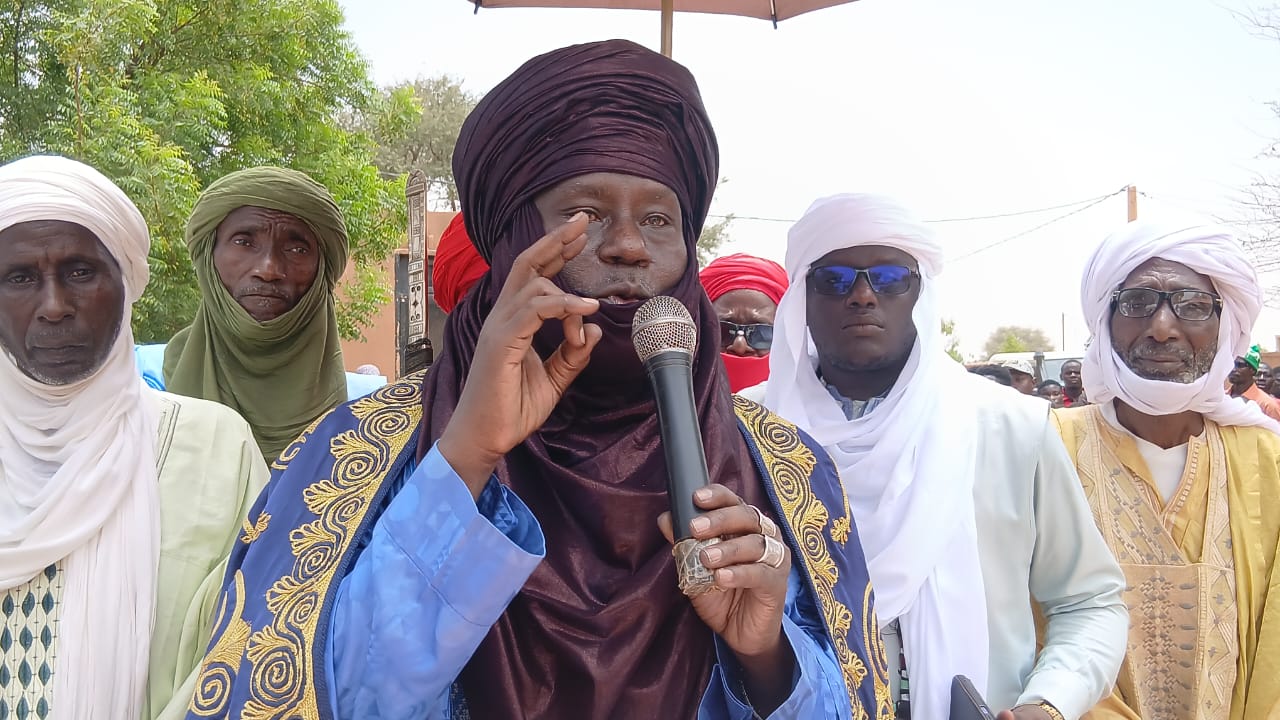
Sarkin Adar Yacouba Habibou Oumani, the Chef de Canton of Illéla, is currently undertaking a tour in Bagaroua. The purpose of this visit is to raise awareness regarding mobilization efforts among the local population. This report was published on May 20, 2026.
Mobilization Drive Underway
The Chef de Canton of Illéla, Yacouba Habibou Oumani, is currently conducting a tour through Bagaroua with the primary objective of sensitizing the local population on general mobilization. This initiative aims to inform residents about the importance and procedures of collective action, ensuring they fully grasp the implications of such calls to action. The tour represents a direct effort to engage community members and foster a shared understanding of their roles in broader mobilization efforts, emphasizing the collective responsibility inherent in these initiatives. Mr. Oumani's presence in Bagaroua shows a commitment to direct communication and local outreach regarding these national imperatives, moving beyond official decrees to foster genuine public buy-in. The sensitization campaign seeks to ensure that all segments of the population are aware of the rationale behind general mobilization and how they can contribute effectively, thereby strengthening national unity and preparedness. This direct approach is intended to clarify any ambiguities, address potential concerns, and encourage active participation among the inhabitants of Bagaroua, as reported on May 20, 2026.
Context of General Mobilization
General mobilization initiatives often arise in response to significant national challenges, requiring collective action and widespread public participation to overcome them. These challenges can range from security threats to economic imperatives or large-scale community development projects that demand concerted effort from all citizens. Such efforts typically involve a government's call upon its citizenry to contribute to national defense, security, or development goals, particularly during periods necessitating a unified response from all levels of society. The current campaign led by Chef de Canton Yacouba Habibou Oumani in Bagaroua reflects a concerted effort to engage local communities directly in understanding and supporting these broader objectives, ensuring that the message resonates at the grassroots level. This local engagement is key for the effective execution of any national strategy.
Mobilization can encompass various forms of civic engagement, including voluntary service, resource contribution, or adherence to specific directives aimed at strengthening national resilience and collective capacity. It is not solely about military preparedness but often involves a full societal effort. For local leaders like Mr. Oumani, explaining the rationale behind such calls is key for ensuring cooperation and fostering a sense of shared responsibility among residents, which is vital for sustained commitment. The sensitization tour in Bagaroua, as reported, aims to clarify the importance of these collective actions, ensuring that the population is well-informed about their potential roles and contributions to the national agenda. This clarity helps to build trust and encourages a proactive stance among community members. Engaging community members at the local level is considered vital for the successful implementation of any large-scale mobilization strategy, as it ensures that policies are understood and embraced by those they are intended to serve.
Local Engagement and Support
The tour, which is currently underway in Bagaroua, shows a direct engagement strategy by the Chef de Canton of Illéla, Sarkin Adar Yacouba Habibou Oumani. This initiative focuses on fostering local understanding and encouraging community participation in broader mobilization efforts, recognizing that local support is foundational for national success. The presence of Mr. Oumani in Bagaroua is part of a wider campaign to ensure that residents are informed about the objectives of general mobilization and how they can contribute meaningfully. This direct outreach is intended to clarify the rationale behind these national initiatives, providing a clear understanding of the benefits and necessities, and thereby strengthening local support and commitment. It aims to bridge the gap between national directives and local implementation, ensuring a cohesive and unified approach.