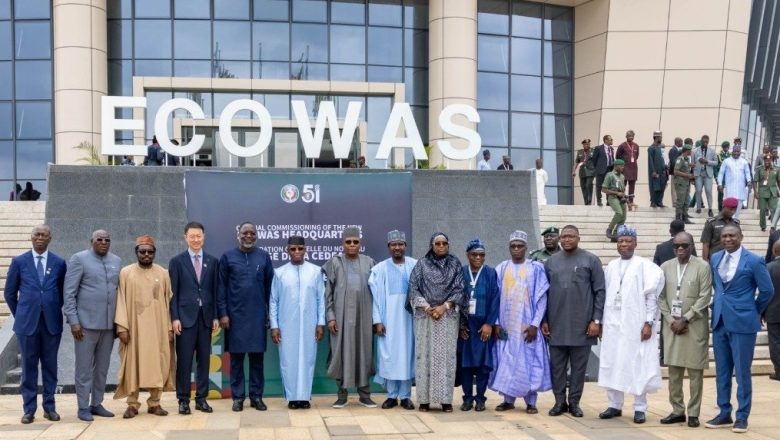
The new headquarters of the Economic Community of West African States (ECOWAS) was inaugurated in Abuja on Thursday, July 2, 2026. The ceremony marked a significant development for the regional bloc, providing a modern and dedicated operational hub for its extensive activities. Dr. Alieu Omar Touray, President of the ECOWAS Commission, was present for the official opening, emphasizing the importance of the new facility for the organization's future. Yu Dunhai, the Ambassador of China to Nigeria, also attended the inauguration as a notable guest, showing the international interest and the bilateral cooperation behind the new facility. The completion of the headquarters provides a dedicated and modern operational base for ECOWAS within Nigeria's capital, designed to enhance its efficiency and regional impact.
China's Growing Influence
The People's Republic of China entirely financed and built the new headquarters for the Economic Community of West African States (ECOWAS) in Abuja. This substantial contribution notes China's increasing role in providing critical infrastructure development across the African continent. The initiative follows a discernible pattern of Chinese investment in major governmental and regional organization buildings throughout Africa, demonstrating a consistent foreign policy approach. The construction and financing of the ECOWAS headquarters by China reflect a broader engagement strategy, establishing modern facilities for key regional bodies and fostering deeper ties. This partnership has delivered a advanced structure, providing a dedicated operational base for ECOWAS, developed through this significant bilateral collaboration. This project is a tangible example of China's extensive infrastructure diplomacy in the region.
Regional Integration Milestones
The President of ECOWAS, Julius Maada Bio of Sierra Leone, officially inaugurated the new headquarters, marking a key moment for the regional organization. Nigeria's Vice-President, Kashim Shettima, represented President Bola Tinubu at the event, showing the host nation's commitment and the importance of the facility to regional stability. The Economic Community of West African States, established in 1975, has now acquired a dedicated facility to support its mandate of fostering closer ties and cooperation among its member states. The inauguration of the new headquarters marks a significant step for the organization, which aims to promote economic integration, peace, and security across its member states. The facility is expected to enhance operational efficiency and collaboration among the bloc's various departments, providing a centralized and modern environment for its administrative functions. This new building is anticipated to bolster the organization's capacity to address regional challenges and implement its development agenda more effectively.
Sovereignty Questions Raised
China previously built the headquarters of the African Union in Addis Ababa, Ethiopia, a project that has drawn considerable attention to Beijing's increasing involvement in African infrastructure development. This earlier construction effort, completed in 2012, raised questions regarding potential implications for the sovereignty and security of the continental body. Concerns were specifically voiced over the possibility of surveillance equipment embedded within the structure, leading to a wider debate. Several media reports at the time suggested that Chinese contractors might have installed listening devices or other intelligence-gathering technology during the construction of the African Union building. Such allegations, though not officially confirmed by either the African Union or Chinese authorities, fueled a broader discussion about the strategic implications of accepting fully financed and constructed facilities from foreign powers. The pattern of Chinese financing and building significant administrative structures for regional organizations in Africa has therefore prompted scrutiny from various international observers, who continue to monitor the long-term impacts of such arrangements.
