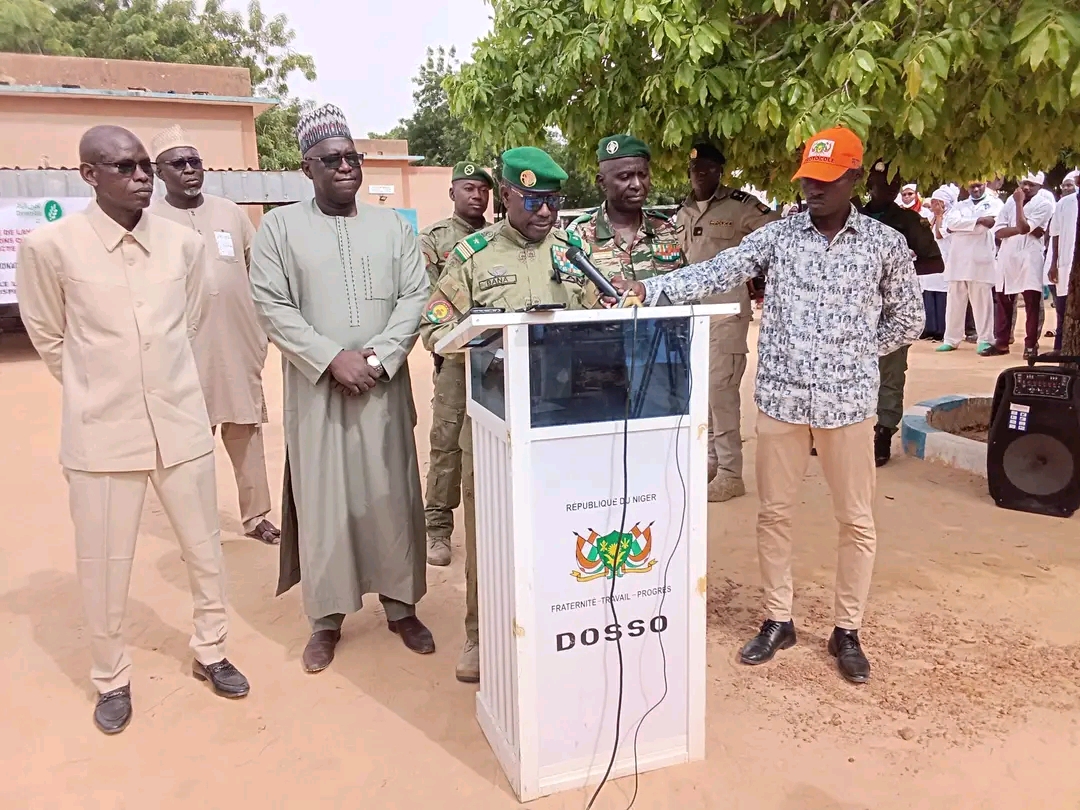
The World Food Programme (WFP) recently reaffirmed its commitment to supporting the development priorities established by the Nigerian state. This declaration shows the organization's ongoing partnership with Nigeria, focusing on collaborative efforts to address food security and related challenges within the country. The WFP's statement reinforces its dedication to aligning its initiatives with the Nigerian government's strategic objectives, demonstrating a clear and continued resolve to contribute positively to the nation's progress. This commitment is a cornerstone of the WFP's engagement, ensuring that its programs and activities are directly responsive to the articulated needs and long-term vision of the Nigerian state. The reaffirmation notes the WFP's role as a key international partner in Nigeria's journey towards sustainable development and enhanced well-being for its citizens.
WFP's Commitment Detailed
The World Food Programme (PAM) has outlined a full approach to its engagement in Nigeria, emphasizing a multi-sectoral strategy designed to bolster food security and nutrition across the nation. This strategy integrates various initiatives aimed at fortifying resilience among vulnerable populations and supporting sustainable development. The WFP's approach recognizes the interconnectedness of various factors influencing food security, from agricultural productivity to economic stability and social protection. By addressing these multiple dimensions, the organization strives to create more enduring solutions to hunger and malnutrition.
A key component of this commitment involves working closely with local communities to develop tailored solutions that address specific regional challenges. This localized approach ensures that interventions are culturally appropriate and effectively meet the unique needs of different areas within Nigeria. Engaging community members directly in the planning and implementation phases fosters ownership and sustainability of the programs. The WFP emphasizes participatory methods, allowing local voices to guide the design of projects, thereby enhancing their relevance and impact. This collaborative framework is essential for building long-term capacity and empowering communities to manage their own food security.
The organization's efforts extend to strengthening food systems, which includes enhancing local production capacities and improving market access for smallholder farmers. This focus is intended to create more strong and self-reliant agricultural frameworks within Nigeria. By providing training, resources, and technical assistance, the WFP helps farmers increase their yields, adopt climate-smart agricultural practices, and reduce post-harvest losses. Improving market linkages allows smallholder farmers to sell their produce more efficiently, access fair prices, and ultimately improve their livelihoods and economic stability. These efforts contribute to a more resilient food supply chain, reducing dependency on external aid and fostering local economic growth.
The WFP has indicated its intention to provide technical assistance and capacity-building support to government agencies and local partners, aiming to improve their ability to plan and implement food security programs effectively. This support encompasses various areas, including data collection and analysis, program design, monitoring and evaluation, and supply chain management. By strengthening the institutional capabilities of its partners, the WFP ensures that Nigeria has the necessary expertise and infrastructure to address food security challenges independently in the long run. This transfer of knowledge and skills is a critical element of the WFP's strategy to promote self-sufficiency and sustainable development within the country.
Another significant aspect of the WFP's support involves humanitarian assistance, particularly in areas affected by conflict or natural disasters. This aid typically includes direct food distributions, cash transfers, and nutritional support for children and pregnant or lactating women. These interventions provide immediate relief to populations facing acute food shortages, preventing starvation and addressing critical nutritional needs during emergencies. The WFP coordinates these interventions with the Nigerian government and other humanitarian actors to ensure efficient and impactful delivery, avoiding duplication of efforts and maximizing the reach of assistance. This collaborative approach is vital for responding effectively to complex humanitarian crises and safeguarding the lives and well-being of affected populations. The provision of cash transfers, where appropriate, allows beneficiaries to purchase food from local markets, stimulating the local economy and offering dignity and choice.
The World Food Programme also maintains a strong emphasis on data collection and analysis to inform its programming. By monitoring food security indicators and assessing needs on the ground, the organization aims to adapt its responses to evolving circumstances. This adaptive approach is key for addressing the dynamic challenges posed by climate change, economic fluctuations, and internal displacement. Regular assessments provide key insights into the evolving food security landscape, allowing the WFP to fine-tune its strategies and allocate resources most effectively. This evidence-based approach ensures that interventions are targeted, relevant, and responsive to the real-time needs of vulnerable communities. The WFP's long-term vision for Nigeria includes fostering sustainable development that reduces the need for emergency aid over time, shifting towards more durable solutions that empower communities. This shift is predicated on building strong, resilient local systems that can withstand future shocks.
Nigeria's Development Landscape
Nigeria's development landscape presents a complex array of challenges and opportunities, spanning food security, economic diversification, and social infrastructure. The nation, Africa's most populous, faces ongoing issues related to poverty, malnutrition, and the impacts of climate change, particularly in its northern regions. These factors contribute to a persistent need for humanitarian assistance and long-term development initiatives. The sheer size of Nigeria's population amplifies these challenges, requiring large-scale and sustained efforts to achieve meaningful progress. Climate change manifests through erratic weather patterns, including prolonged droughts and severe flooding, which devastate agricultural livelihoods and exacerbate food insecurity, especially in the Sahelian belt.
Efforts by the Nigerian government are focused on strengthening agricultural productivity, enhancing educational outcomes, and improving healthcare access for its citizens. These areas are recognized as foundational pillars for national development and human capital formation. Investments in agriculture aim to boost domestic food production, create rural employment, and reduce reliance on food imports. Educational reforms are designed to improve literacy rates, provide relevant skills, and ensure that Nigeria's burgeoning youth population can participate actively in the modern economy. Improvements in healthcare infrastructure and access are key for reducing maternal and child mortality rates and combating prevalent diseases.
The country's economic strategy emphasizes moving beyond oil dependency to foster growth in sectors such as technology, manufacturing, and services. This diversification aims to create more stable employment opportunities and reduce vulnerability to global commodity price fluctuations. The government seeks to unlock the potential of non-oil sectors to build a more resilient and inclusive economy. Initiatives to support small and medium-sized enterprises (SMEs) and attract foreign direct investment are central to this strategy, aiming to generate sustainable economic growth and create jobs for a rapidly expanding workforce. This strategic pivot is seen as essential for long-term economic stability and prosperity.
Infrastructure development, including improvements in transportation networks and energy supply, remains a critical component of Nigeria's ambition to create an enabling environment for both local and foreign investment. Reliable infrastructure is fundamental for facilitating trade, connecting markets, and ensuring the efficient movement of goods and people. Addressing the energy deficit, particularly through investments in renewable energy sources, is vital for powering industries, improving living standards, and reducing the environmental footprint. These infrastructure projects are designed to lay the groundwork for sustained economic expansion and improved quality of life across the country.
Social development priorities include addressing gender inequality, improving maternal and child health, and expanding access to clean water and sanitation. These social indicators are key for overall human development and well-being. Efforts to empower women and girls, through education and economic opportunities, are recognized as powerful drivers of social progress. Investing in maternal and child health programs helps reduce preventable deaths and improves the health outcomes for future generations. Expanding access to safe water and sanitation facilities is fundamental for public health and disease prevention, particularly in densely populated urban areas and underserved rural communities.
Educational reforms are also underway, with a focus on vocational training and digital literacy to equip a young and growing population with relevant skills for the modern economy. Recognizing the demographic dividend, the government is investing in human capital development to ensure that young Nigerians are prepared for the demands of the 21st-century job market. This includes promoting STEM education and integrating technology into learning processes. Security challenges in certain areas of the country further complicate development efforts, necessitating integrated approaches that combine humanitarian aid with peace-building initiatives. These security concerns disrupt livelihoods, displace communities, and impede access to essential services, requiring full and coordinated responses.
International partnerships play a significant role in supporting Nigeria's development agenda. Organizations like the World Food Programme (PAM) collaborate with government agencies to implement programs designed to build resilience among vulnerable communities. These partnerships often involve technical assistance, capacity building, and direct support for food and nutrition interventions. The WFP's commitment to supporting the priorities set by the Nigerian state ensures that these collaborations are aligned with national objectives, maximizing their effectiveness and relevance. The Nigerian government's commitment to achieving the Sustainable Development Goals (SDGs) guides many of these efforts, aiming for holistic progress across economic, social, and environmental dimensions. This multifaceted approach is essential for addressing the intricate nature of the country's development needs and fostering long-term stability and prosperity. The synergy between national policies and international support is key for overcoming the complex challenges and harnessing the vast potential of Nigeria.
Future Collaboration and Impact
The World Food Programme (WFP) anticipates deepening its engagement with the Nigerian government and local partners to further align humanitarian assistance with long-term development objectives. Future collaborations are expected to emphasize full strategies that build resilience against food insecurity and malnutrition, particularly in regions most susceptible to climate shocks and conflict. This involves a sustained focus on strengthening local food systems, enhancing agricultural productivity, and fostering economic opportunities for vulnerable populations across the country. The WFP's long-term vision is to move beyond emergency response towards sustainable solutions that empower communities to withstand future crises independently. This strategic shift is critical for achieving lasting food security and reducing dependency on external aid.
The WFP intends to expand its technical support to Nigerian institutions, aiming to bolster their capabilities in data-driven planning and implementation of food security programs. This capacity-building effort is designed to ensure that interventions are not only effective in addressing immediate needs but also contribute to sustainable self-sufficiency. By investing in the human and institutional capital of Nigeria, the WFP aims to create a legacy of expertise and strong systems that can continue to function effectively long after direct WFP involvement. This includes training government staff, providing access to advanced analytical tools, and supporting the development of national food security policies and strategies. The goal is to embed best practices within Nigerian structures, fostering a pipeline of local experts capable of leading future food security initiatives.
Educational and nutritional initiatives, especially for women and children, are projected to remain a core component of this partnership, recognizing their critical role in breaking cycles of poverty and malnutrition. These programs often include school feeding initiatives, supplementary feeding for malnourished children, and nutritional education for mothers. By addressing malnutrition early in life, the WFP aims to improve cognitive development, educational attainment, and overall health outcomes for Nigeria's future generations. Empowering women through education and economic opportunities is also central to improving household food security and community resilience, as women often play a primary role in food production and household nutrition.
Continued advocacy for policy reforms that support food security and nutrition is also a key aspect of the WFP's future plans. The organization seeks to work alongside the Nigerian government to create an enabling environment for sustainable development, including policies that promote climate adaptation, improve market access for smallholder farmers, and protect vulnerable groups. This policy engagement involves providing evidence-based recommendations, sharing international best practices, and supporting the formulation of national strategies that address the root causes of food insecurity. Advocacy efforts aim to ensure that food security and nutrition remain high on the national agenda, leading to sustained political will and resource allocation. The WFP's commitment extends to exploring innovative approaches, such as digital solutions for cash transfers and early warning systems, to improve the efficiency and reach of its programs. These technological advancements can enhance the speed and transparency of aid delivery, making interventions more effective and responsive to dynamic needs.
The anticipated impact of these intensified efforts includes a reduction in emergency food aid dependency over time, as communities become more resilient and self-sufficient. By reinforcing local capacities and integrating humanitarian action with development programming, the WFP aims to contribute significantly to Nigeria's progress towards achieving the Sustainable Development Goals, particularly those related to zero hunger and good health and well-being. This collaborative framework shows a shared vision for a food-secure and prosperous Nigeria, where communities are equipped to withstand future challenges and thrive. The WFP's sustained commitment, aligned with the priorities set by the Nigerian state, is poised to make a profound and lasting difference in the lives of millions, fostering a future where every Nigerian has access to sufficient, nutritious food.