Niger's government recently launched a significant initiative across multiple regions to improve access to essential services and address local development challenges. The program, which commenced activity in areas including Niamey, Tillabéry, Tahoua, Agadez, Zinder, Diffa, Dosso, and Maradi, focuses on supporting communities with critical infrastructure and resources. This full undertaking aims to uplift living standards and provide foundational support for communities throughout the nation. Officials aim to enhance living conditions and foster sustainable growth throughout the country, recognizing the diverse needs present in both urban and rural settings. The initiative represents a concerted effort to distribute development benefits more broadly, addressing disparities that can exist between different parts of the nation.
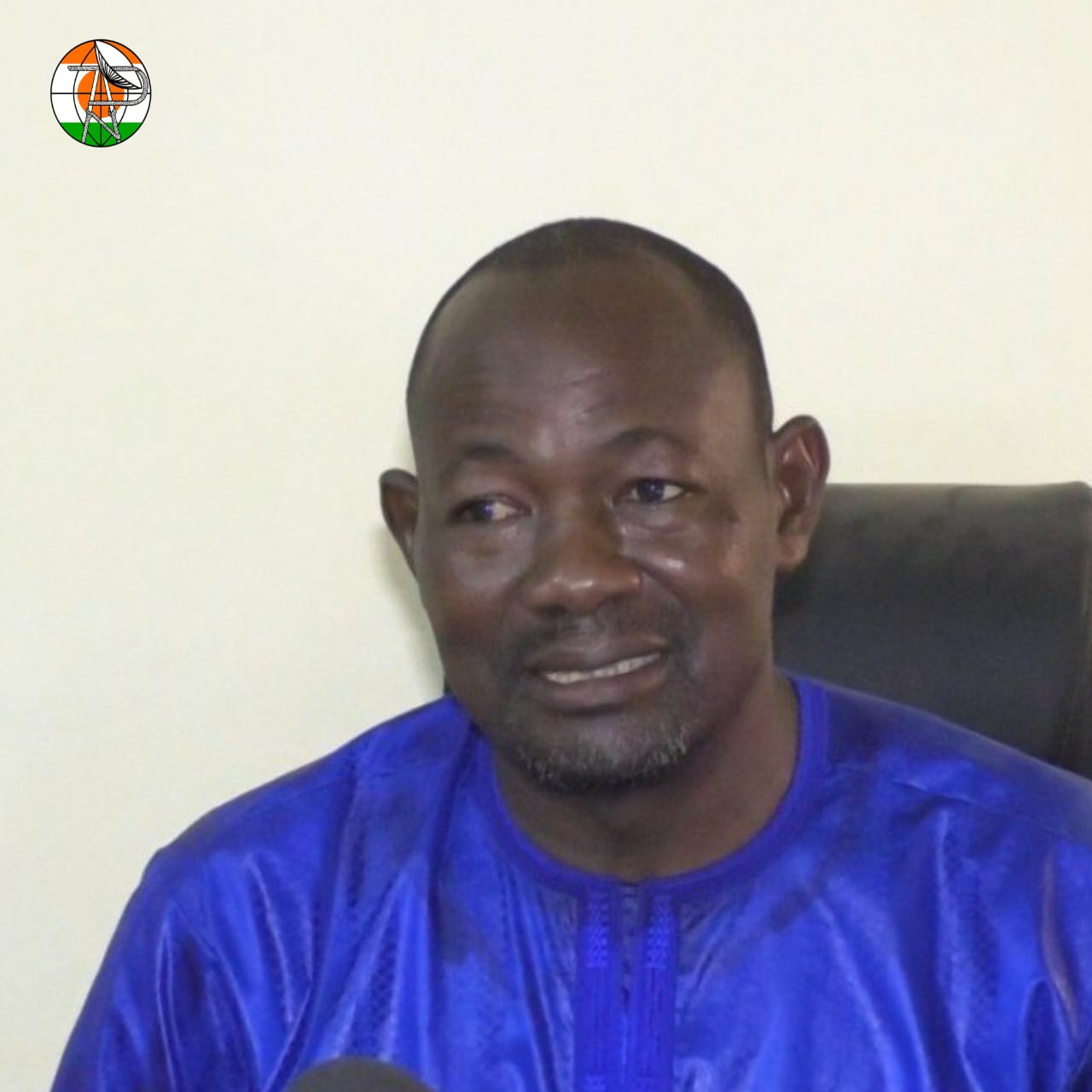
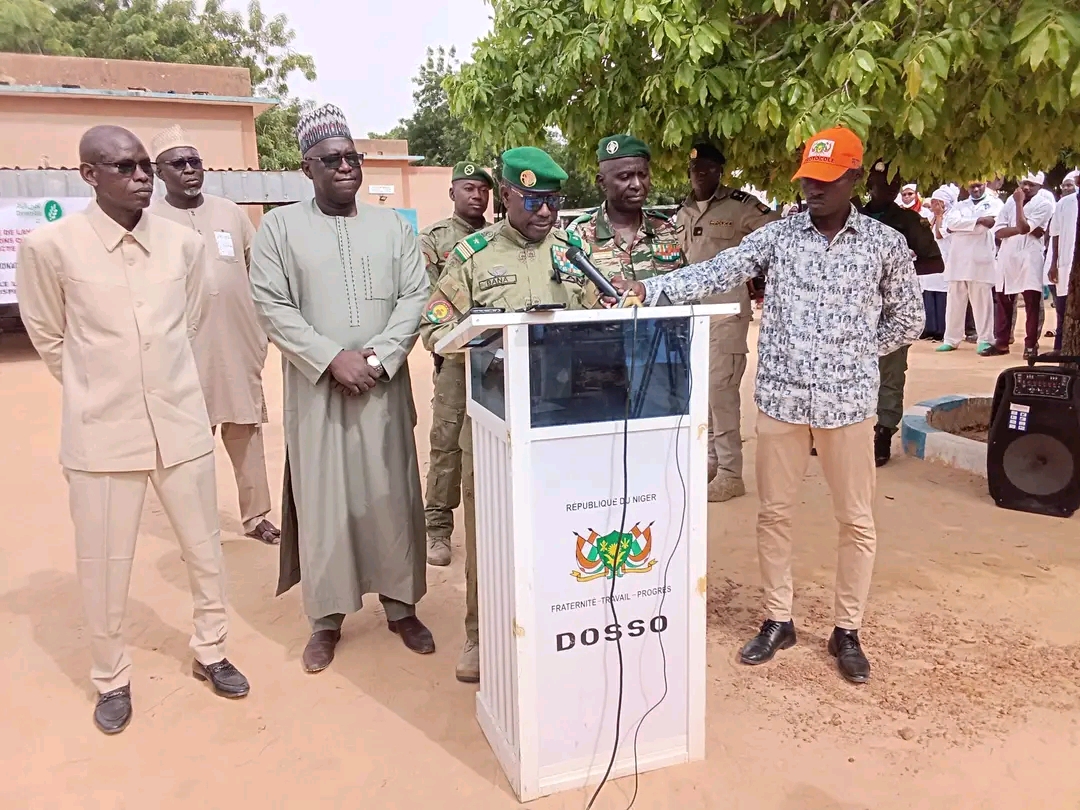
Maman Brah Sani, Secretary General of the Ministry of Interior, Public Security and Decentralisation, noted the government's commitment to these efforts. He emphasized the importance of collaboration with various partners to achieve the initiative's objectives, showing that a multi-stakeholder approach is key for successful implementation. This collaborative spirit is seen as a cornerstone of the program's strategy, bringing together different expertise and resources. The program also extends to smaller localities such as Malbaza, Madaoua, Madarounfa, Danfountoua, Damagaram Takaya, Magaria, Illéla, and Ingall, reaching diverse populations across Niger and ensuring that even more remote communities are included in the development push. The inclusion of such a wide array of locations demonstrates the government's intention to create a broad impact.
Key Developments Unfold
The initiative by Niger's government aims to enhance living conditions and foster sustainable growth across the country, reaching numerous regions and localities. This broad geographical scope is a defining feature of the program, designed to ensure that development efforts are not concentrated in just a few areas. Among the key regions targeted by the program are Niamey, Tillabéry, Tahoua, Agadez, Zinder, Diffa, Dosso, and Maradi, which represent significant administrative and population centers. The full effort also extends to smaller localities, ensuring broad coverage and impact throughout Niger, thereby addressing the needs of both urban and rural populations. Areas such as Malbaza, Madaoua, Madarounfa, Danfountoua, Damagaram Takaya, Magaria, Illéla, and Ingall are also benefiting from the government's development activities, noting a commitment to inclusive growth. This widespread approach is critical for national cohesion and equitable progress.
Maman Brah Sani, Secretary General of the Ministry of Interior, Public Security and Decentralisation, reiterated the government's commitment to these initiatives. His statements show the strategic importance placed on these development efforts by the national administration. He showed the importance of collaborative efforts with various partners to achieve the stated objectives of the program, indicating that external support and expertise are highly valued. Such partnerships are often vital in mobilizing the necessary resources and technical know-how for large-scale development projects. The widespread nature of the initiative reflects a concerted push to address critical infrastructure needs and improve access to essential services for diverse populations, from capital cities to remote villages. This full strategy seeks to lay a strong foundation for future prosperity.
The government's focus on these regions and localities is part of a broader strategy to support communities with vital infrastructure and resources. This overarching plan seeks to create resilient communities capable of sustaining their own development. This approach is designed to tackle local development challenges directly, ensuring that the benefits of the program are felt across the nation and are tailored to specific community needs. By addressing issues at a grassroots level, the initiative aims to achieve more impactful and lasting change. The inclusion of remote and smaller areas like Tchintabaraden further illustrates the broad scope of the government's endeavors, demonstrating a commitment to leaving no community behind. These efforts are key for addressing the diverse needs of Niger's population, which vary significantly across its vast territory.
The initiative's objective is to improve access to essential services while simultaneously addressing local development challenges. This dual focus aims to create a more resilient and prosperous environment for the citizens of Niger, fostering self-sufficiency and improved quality of life. The provision of services such as clean water, healthcare, and education is often seen as fundamental to human development and economic progress. The collaboration noted by Maman Brah Sani is fundamental to the successful implementation and sustainability of the program, drawing on collective expertise and resources to maximize impact and ensure long-term viability. This integrated approach is expected to yield more full and durable outcomes than isolated interventions.
Broader Context and History
Niger, a nation in the Sahel region of West Africa, faces ongoing developmental challenges that show the importance of initiatives designed to improve access to essential services and address local needs. The country's geographical position and climatic conditions present unique obstacles to development, making such programs particularly vital. The country shares borders with several nations, including Mali, Burkina Faso, and Tchad, regions which also experience complex socio-economic and security dynamics, adding layers of complexity to national development efforts. Efforts to enhance living conditions and foster sustainable growth are critical in this environment, as noted by the government's recent program across various regions, seeking to build stability from within. This proactive approach aims to mitigate vulnerabilities and strengthen community resilience.
The government's focus on regions such as Niamey, Tillabéry, Tahoua, Agadez, Zinder, Diffa, Dosso, and Maradi reflects a commitment to widespread development, targeting areas that are both economically significant and those with pressing needs. These areas, along with smaller localities like Malbaza, Madaoua, Madarounfa, Danfountoua, Damagaram Takaya, Magaria, Illéla, Ingall, and Tchintabaraden, are central to the national strategy, ensuring that the initiative's reach is truly national. The deliberate inclusion of a wide range of localities, from bustling urban centers to remote rural settlements, demonstrates a holistic approach to national progress. Maman Brah Sani, Secretary General of the Ministry of Interior, Public Security and Decentralisation, previously emphasized the collaborative nature of these efforts, indicating a broader approach that often involves partnerships with international bodies and non-governmental organizations to leverage diverse capabilities and funding sources. This multi-sectoral cooperation is considered essential for achieving ambitious development goals.
Organizations such as Médecins Sans Frontière, the FAO, and the Groupe de la Banque mondiale are active in Niger, often working to support humanitarian aid, food security, and economic development, respectively. Their presence shows the multifaceted nature of the challenges and the collaborative spirit required to address them. These entities, alongside local companies like ASN Nigelec and AS ZAM, contribute to the infrastructure and service provision landscape within the country, playing key roles in energy, water, and other essential sectors. The initiative's goal to support communities with vital infrastructure and resources aligns with the broader objectives of many international development partners operating in the region, creating synergy and maximizing impact. Such alignment helps to ensure that efforts are coordinated and resources are utilized efficiently.
The emphasis on addressing local development challenges directly aims to create resilience and improve the well-being of the population, empowering communities to better withstand future shocks. This localized approach is critical for fostering ownership and ensuring that solutions are appropriate for the specific contexts. Niger's strategic location and its socio-economic conditions mean that such programs are fundamental to stability and progress, as development is often seen as a key factor in preventing conflict and promoting social cohesion. The full nature of the current government initiative, covering both major administrative centers and more remote areas, signals a determined effort to reach diverse populations across the nation, ensuring equitable opportunities. This approach seeks to lay foundational improvements for long-term growth and stability in the country, building a more secure and prosperous future for all citizens.
Expert Analysis and Reactions
Expert observers indicate that initiatives aimed at improving access to essential services and addressing local development challenges are particularly vital for nations in the Sahel region, including Niger, where environmental and socio-economic pressures are substantial. These programs are often seen as foundational steps towards long-term stability and human security. The full approach, targeting regions such as Niamey, Tillabéry, Tahoua, Agadez, Zinder, Diffa, Dosso, and Maradi, alongside smaller localities, reflects a strategy to foster stability and growth by ensuring that development benefits are widely distributed. This method of broad coverage is often seen as key for addressing diverse needs across a country, preventing the concentration of resources in only a few urban centers.
A focus on both major administrative centers and more remote areas like Malbaza, Madaoua, and Tchintabaraden can enhance the overall impact of development programs by addressing inequalities and ensuring that all citizens have opportunities for advancement. Such efforts are critical in countries facing persistent developmental challenges, where disparities in access to services can exacerbate social tensions. The integration of remote areas into national development plans is particularly important for fostering national unity and equitable progress. The involvement of various partners, as noted by Maman Brah Sani, Secretary General of the Ministry of Interior, Public Security and Decentralisation, is a common element in successful large-scale development projects, bringing diverse expertise and resources to bear. This collaborative model is often lauded for its efficiency and effectiveness in complex environments.
Organizations like Médecins Sans Frontière, the FAO, and the Groupe de la Banque mondiale frequently engage in humanitarian aid, food security, and economic development work in Niger, providing critical support in their respective domains. Their specialized knowledge and resources are invaluable complements to government efforts. Their activities often complement government-led initiatives by contributing to infrastructure and service provision, such as healthcare facilities, agricultural training, or financial support for large-scale projects. Local companies, such as ASN Nigelec and AS ZAM, also play a role in supporting national development goals, particularly in the provision of essential utilities and services that directly impact daily life. These partnerships exemplify a holistic approach to national development.
The objective to improve access to essential services and address local challenges concurrently is a recognized strategy for building resilience and enhancing the well-being of populations, as it tackles root causes of vulnerability. This integrated approach is designed to create a more prosperous environment by fostering self-sufficiency and reducing reliance on external aid in the long run. In regions with complex socio-economic and security dynamics, such as those bordering Mali, Burkina Faso, and Tchad, these programs are fundamental to long-term progress, contributing to regional stability by addressing underlying grievances and improving living conditions. Such initiatives are seen as proactive measures to build a more secure and thriving future for Niger.