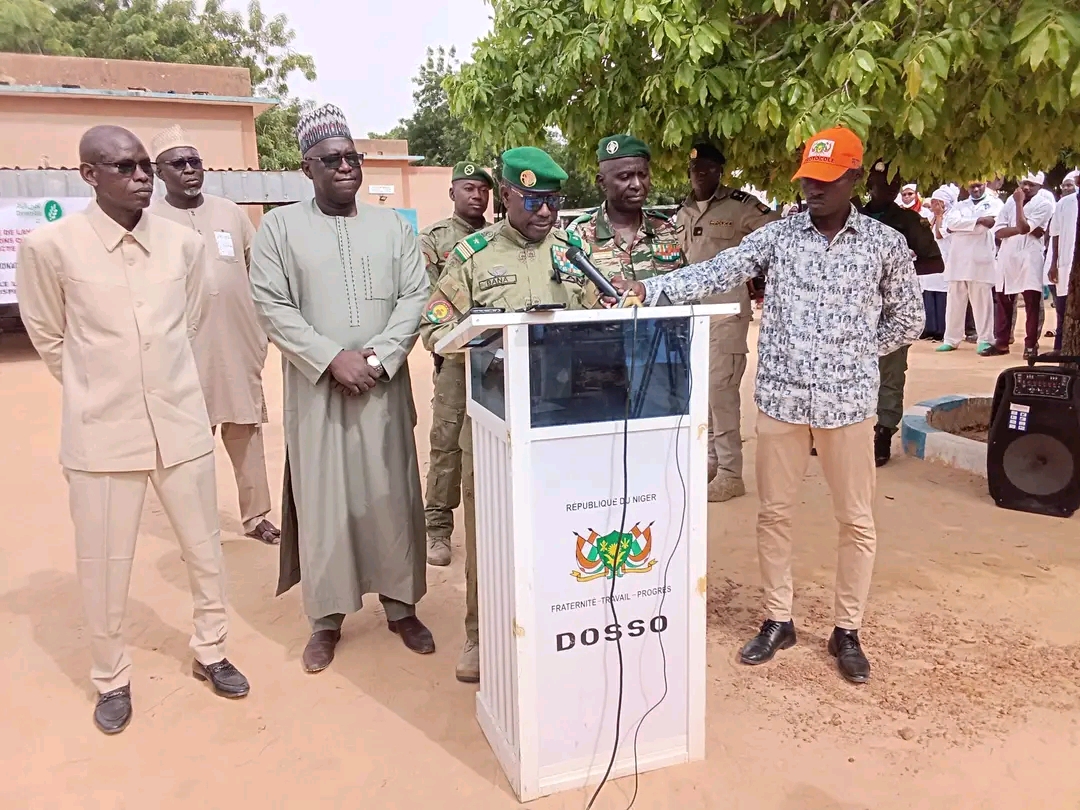
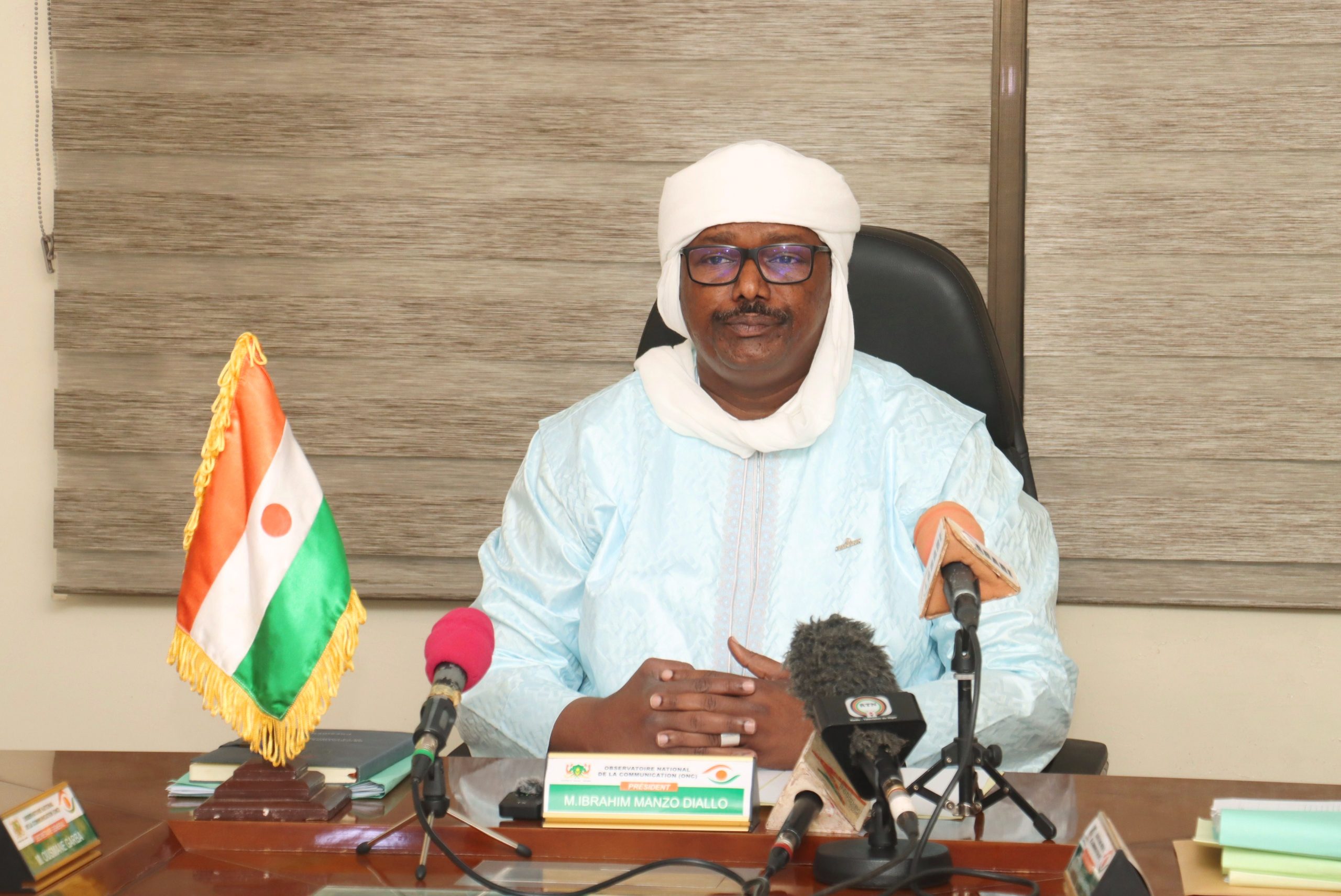
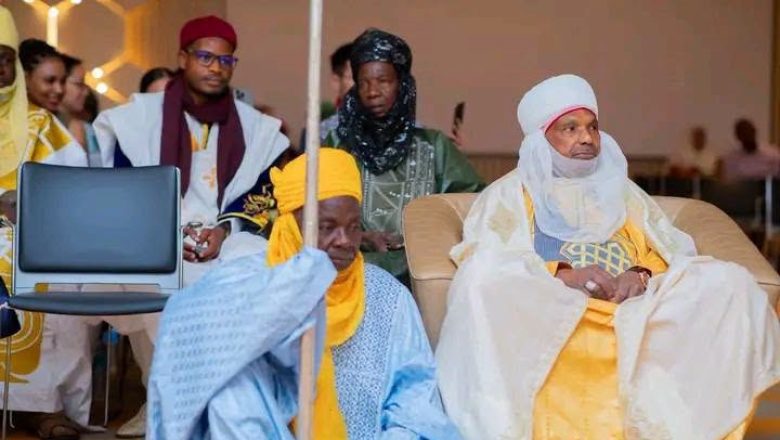
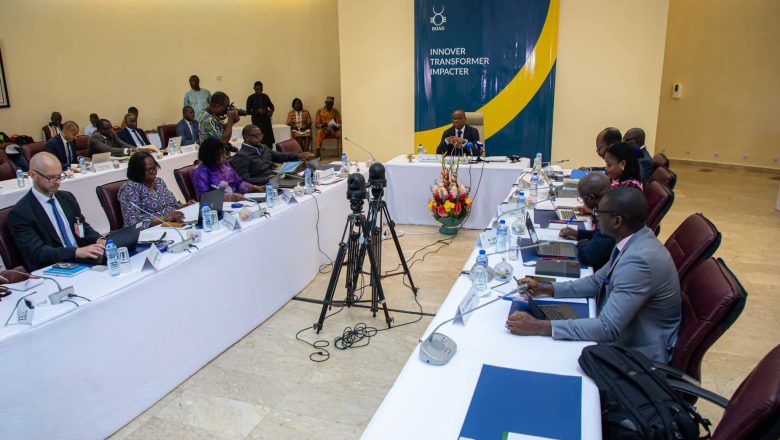
Le Président du Faso recently hosted the presidents of the parliaments of the Alliance of Sahel States (LAES). The President of Faso received the presidents of the parliaments of LAES for this significant gathering. The meeting took place in Faso, bringing together key legislative figures from the regional bloc for discussions key to the Alliance's future. This gathering aimed to facilitate extensive discussions on collaborative strategies and strengthen parliamentary cooperation among member states, fostering a deeper sense of regional unity. The interaction shows ongoing efforts to enhance regional solidarity and address shared challenges through legislative dialogue, emphasizing the vital role of parliamentary bodies in achieving collective goals. Further details regarding the specific agenda or outcomes of the discussions were not immediately released following the meeting, though the breadth of topics covered was substantial. The engagement notes the importance placed on parliamentary diplomacy within the LAES framework, recognizing parliaments as key instruments for regional integration and stability.
Key Discussions and Outcomes
Le Président du Faso and les présidents des parlements de LAES engaged in extensive discussions during their recent meeting in Faso, covering a wide array of critical regional issues. The gathering focused intently on fostering stronger legislative cooperation among the member states of LAES, recognizing that harmonized legal frameworks are essential for a cohesive regional bloc. Participants reviewed various proposals aimed at harmonizing laws and policies across the Alliance, with a particular emphasis on areas of shared strategic importance such as security, economic development, and social welfare. Deliberations also touched upon practical mechanisms for facilitating the exchange of legislative best practices and expertise among the parliaments represented, ensuring that successful legislative models can be adapted and adopted across the Alliance. This exchange is seen as fundamental to improving the quality and effectiveness of governance within each member state.
Efforts to enhance regional stability and security formed a central theme of the discussions, reflecting the critical importance of peace and security in the Sahel region. Le Président du Faso and les présidents des parlements of LAES explored avenues for legislative support in collective security initiatives, showing the indispensable role of parliamentary action in addressing common threats effectively. The dialogue aimed to identify and develop strong legislative frameworks that could bolster joint operations, facilitate intelligence sharing among LAES nations, and ensure a coordinated response to emergent security challenges. This commitment to legislative backing for security measures is critical for operationalizing the Alliance's defense and security mandates.
Economic integration and development were also prominently featured on the agenda, as sustainable economic growth is recognized as a cornerstone of regional stability. The parliamentary chiefs examined legislative measures that could actively promote intra-LAES trade and investment, seeking to systematically remove existing barriers and create a more conducive environment for strong economic growth within the Alliance. Discussions included the potential for harmonizing trade regulations and customs procedures, which would streamline cross-border commerce and reduce administrative burdens for businesses. The leaders also discussed supporting regional infrastructure projects through legislative backing, ensuring that vital transport, energy, and communication networks receive the necessary legal and financial frameworks for their development and implementation.
Social development and humanitarian concerns received significant attention, reflecting a holistic approach to regional progress that extends beyond security and economics. Participants discussed parliamentary contributions to improving public services and addressing societal challenges across the member states, recognizing that legislative action can directly impact the well-being of citizens. This included exploring legislative approaches to enhance healthcare systems, improve educational opportunities, and strengthen social welfare programs throughout the LAES region. The meeting also addressed the critical importance of coordinated legislative responses to humanitarian crises and population displacement, aiming to establish unified protocols for assistance and protection within the LAES region. Such coordination is vital for providing timely and effective aid to vulnerable populations.
A significant portion of the session was dedicated to strengthening democratic governance and institutional capacity, acknowledging that strong, accountable institutions are the bedrock of any successful regional alliance. Le Président du Faso and les présidents des parlements of LAES considered strategies for reinforcing the rule of law and promoting transparency within their respective legislative bodies, thereby enhancing public trust and governmental legitimacy. The discussions emphasized the critical role of parliaments in ensuring accountability of the executive branch and upholding democratic principles, which are fundamental to the long-term stability and legitimacy of the member states. The participants committed to ongoing dialogue and collaboration to advance these shared objectives and reinforce the foundational principles of the Alliance, ensuring that legislative bodies remain responsive and effective. This commitment forms a key part of the Alliance's strategic vision for sustained regional progress.
Background of LAES Relations
The Alliance of Sahel States (LAES) was established as a framework for enhanced cooperation among its member states, marking a key moment for regional collaboration. This regional bloc seeks to address shared challenges through a coordinated approach across various sectors, including security, economy, and social development, recognizing the interconnected nature of these issues. The formation of LAES reflects a profound commitment by its members to strengthen regional stability and foster collective prosperity, aiming to build a more resilient and self-reliant Sahel. Its initiatives are meticulously designed to promote deeper integration and mutual support among the participating nations, ultimately aiming for a more strong, unified, and prosperous Sahel region. The Alliance's foundational principles emphasize solidarity and collective action in the face of common adversities.
Parliamentary diplomacy plays a particularly significant and expanding role within the LAES structure, serving as a key mechanism for facilitating dialogue and legislative collaboration among the member states. The recent interaction between Le Président du Faso and les présidents des parlements de LAES notes the immense importance placed on parliamentary contributions to the Alliance's overarching objectives. These engagements are key for meticulously harmonizing legal frameworks and policies that underpin all regional initiatives, ensuring that national laws are aligned with the broader goals of the Alliance. Such meetings provide an invaluable platform for legislative leaders to discuss common concerns, share national experiences, and formulate joint strategies, thereby ensuring that national legislative bodies are actively engaged and aligned with the broader goals of LAES. This collaborative legislative approach is seen as essential for effective regional governance.
The Alliance's focus extends comprehensively to developing strong mechanisms for collective security, recognizing the deeply interconnected nature of regional threats that transcend national borders. Through coordinated parliamentary action, LAES aims to create a legislative environment that is highly conducive to effective security cooperation, including smooth intelligence sharing and well-coordinated joint operations. This legislative backing is vital for operationalizing security mandates and ensuring rapid, effective responses to threats. Economic integration stands as another fundamental pillar of LAES, with concerted efforts directed at developing legislative measures that can actively stimulate intra-regional trade, encourage significant investment, and facilitate critical infrastructure development. The overarching goal is to systematically dismantle existing barriers and foster an economic climate that genuinely benefits all member states, promoting sustainable growth and equitable development within the region.
Social development and humanitarian issues are also central to the LAES agenda, reflecting a full vision for human progress and well-being. Parliamentary discussions often involve exploring innovative legislative approaches to improve public services, effectively address humanitarian crises, and enhance social welfare across the member nations. This commitment reflects a full vision for regional progress, extending purposefully beyond security and economy to encompass the fundamental well-being of the populations within LAES. The Alliance places strong emphasis on strengthening democratic governance and institutional capacity across its member states. This involves actively promoting the rule of law, fostering greater transparency, and ensuring accountability within legislative bodies, showing the critical and irreplaceable role of parliaments in upholding democratic principles and ensuring effective governance within the LAES framework. This holistic approach ensures that all aspects of societal development are addressed.
Parliamentary Delegation's Objectives
The parliamentary delegation from the Alliance of Sahel States (LAES) aimed to reinforce legislative collaboration and effectively address shared regional challenges during its recent discussions with Le Président du Faso. A primary and overarching objective was to strengthen the legal frameworks supporting collective security initiatives across all member nations, recognizing that a unified front is critical for regional stability. The delegation specifically sought to harmonize legislative approaches that could facilitate joint operations, streamline intelligence sharing, and ensure coordinated responses to persistent regional threats, recognizing the deeply interconnected nature of security within the Sahel. This legislative harmonization is key for building a cohesive and effective security architecture.
Another key objective for the parliamentary chiefs involved significantly advancing economic integration and development within the Alliance. The delegation focused intently on identifying legislative measures to actively promote intra-LAES trade, attract substantial investment, and support vital infrastructure projects that would connect and strengthen member economies. Discussions centered on practical strategies for reducing trade barriers, standardizing customs procedures to ease cross-border commerce, and creating a more favorable legislative environment for strong regional economic growth. This concerted effort aimed to foster a resilient and prosperous economic bloc among LAES members, driving shared prosperity and reducing economic vulnerabilities.
The delegation also prioritized legislative contributions to social development and humanitarian concerns, demonstrating a commitment to the welfare of the region's citizens. Members sought to explore effective parliamentary strategies for improving public services, such as enhancing healthcare access and quality, and expanding educational opportunities, and for addressing a range of societal challenges within their respective states. A significant goal was to coordinate legislative responses to humanitarian crises and large-scale population displacement, ensuring a unified and compassionate approach to human welfare across the LAES region. This proactive legislative stance is designed to mitigate suffering and build more resilient communities.
A critical objective was to enhance democratic governance and institutional capacity among LAES parliaments, recognizing that strong legislative bodies are essential for democratic health. The delegation aimed to discuss effective strategies for reinforcing the rule of law, promoting greater transparency in government operations, and ensuring strong accountability within legislative bodies. This included actively sharing best practices and committing to ongoing dialogue to strengthen parliamentary institutions, thereby upholding democratic principles and ensuring effective governance within the Alliance of Sahel States. The meetings were meticulously designed to lay solid groundwork for sustained cooperation and legislative alignment on these key fronts, setting a clear path for future collaborative endeavors.
Future of Inter-Parliamentary Cooperation
Following the recent and productive discussions, the Alliance of Sahel States (LAES) aims to solidify inter-parliamentary cooperation as a fundamental cornerstone of its regional strategy. Le Président du Faso and les présidents des parlements de LAES emphasized the ongoing and unwavering commitment to regular dialogue and careful legislative coordination, recognizing these as indispensable for the Alliance's success. Future initiatives are expected to build dynamically upon the strong foundations laid in Faso, focusing intently on the systematic harmonization of legal frameworks across member states to address shared challenges more effectively and comprehensively. This includes a commitment to developing common legal standards and practices that reflect the shared aspirations of the Alliance.
Plans include establishing more frequent and structured exchanges between parliamentary committees, allowing for deeper engagement and technical collaboration on specific legislative areas. Additionally, there is a strong intention to draft joint legislative proposals on critical issues such as regional security, economic integration, and social development, ensuring a unified approach to these complex challenges. These efforts are meticulously designed to ensure that national legislative bodies actively and meaningfully contribute to the LAES agenda, fostering a truly unified approach to regional governance. The unwavering commitment to strengthening democratic institutions and promoting the rule of law within the Alliance remains a key and central objective for all future collaborative endeavors, showing the long-term vision for a stable, prosperous, and democratically strong Sahel region.